The Biden Administration’s temporary suspension of student loan payments during the pandemic has ended, reigniting concerns about college debt for millions of borrowers. As the federal government resumes loan payments, it will also restart the garnishment of wages and tax refunds for borrowers in default. Currently, approximately 5 million borrowers have loans in default, and as many as 15 million individuals could face wage garnishments. This situation raises significant implications for current and future college students navigating the complexities of financing their education.
Understanding the Financial Impacts of Delayed Graduation
With student debt becoming an increasingly pressing issue, many experts suggest that careful planning can help students mitigate future financial burdens. One critical factor is the time it takes to graduate. The longer a student remains enrolled, the higher the overall costs, including tuition, room, and board. Moreover, prolonged education can result in missed income opportunities, as students delay entering the workforce.
Statistics indicate that fewer than half of students at four-year institutions graduate within four years. Prospective college students should pay close attention to graduation rates, which are available through the U.S. Department of Education. The College Scorecard website provides valuable insights, often reporting graduation rates over six or even eight years.
Working while studying is a common necessity, with around 40% of students employed during their college years. While earning money can help cover immediate costs, excessive working hours can impede academic progress. Balancing work and study is crucial; for instance, students who utilize summer breaks to take college courses may find that the investment in education pays off by facilitating timely graduation.
Making Informed Choices About College Education
The type of institution chosen can significantly influence graduation timelines. Research shows that private colleges tend to have higher four-year graduation rates compared to public universities, particularly regional state institutions. Although the initial cost of a private education may be higher, the potential savings on extended tuition and living expenses could make it a more economical choice in the long run.
High school students can also take advantage of Advanced Placement (AP) courses to reduce the time required for a college degree. By earning college credit while still in high school, students can explore different majors and potentially avoid the costly delays associated with changing fields after enrollment.
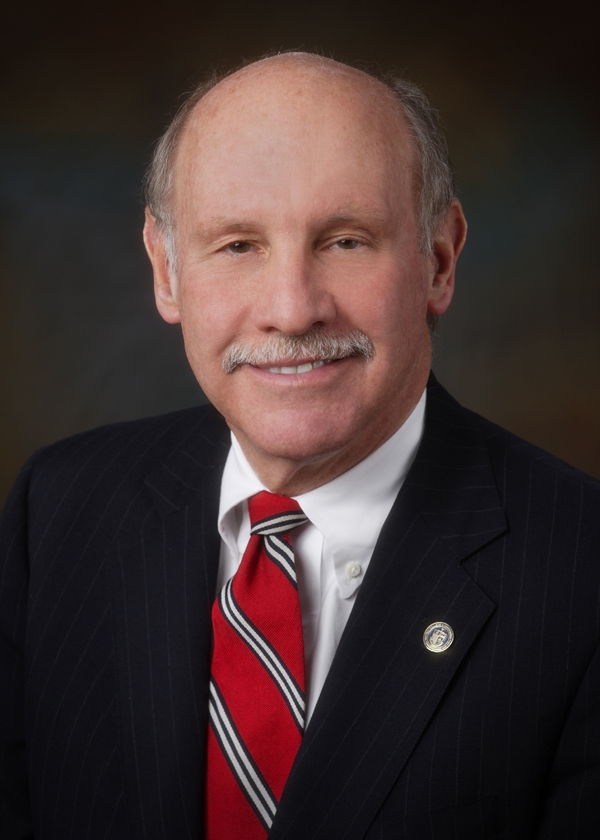
In summary, making informed decisions about college choices and maintaining a strong focus on timely graduation are essential for minimizing student debt. Understanding the financial implications of various institutions, coupled with effective planning, can empower students and their families to navigate the challenges of financing higher education. According to Michael A. MacDowell, President Emeritus of Misericordia University, careful consideration of these factors is critical for achieving academic and financial success.