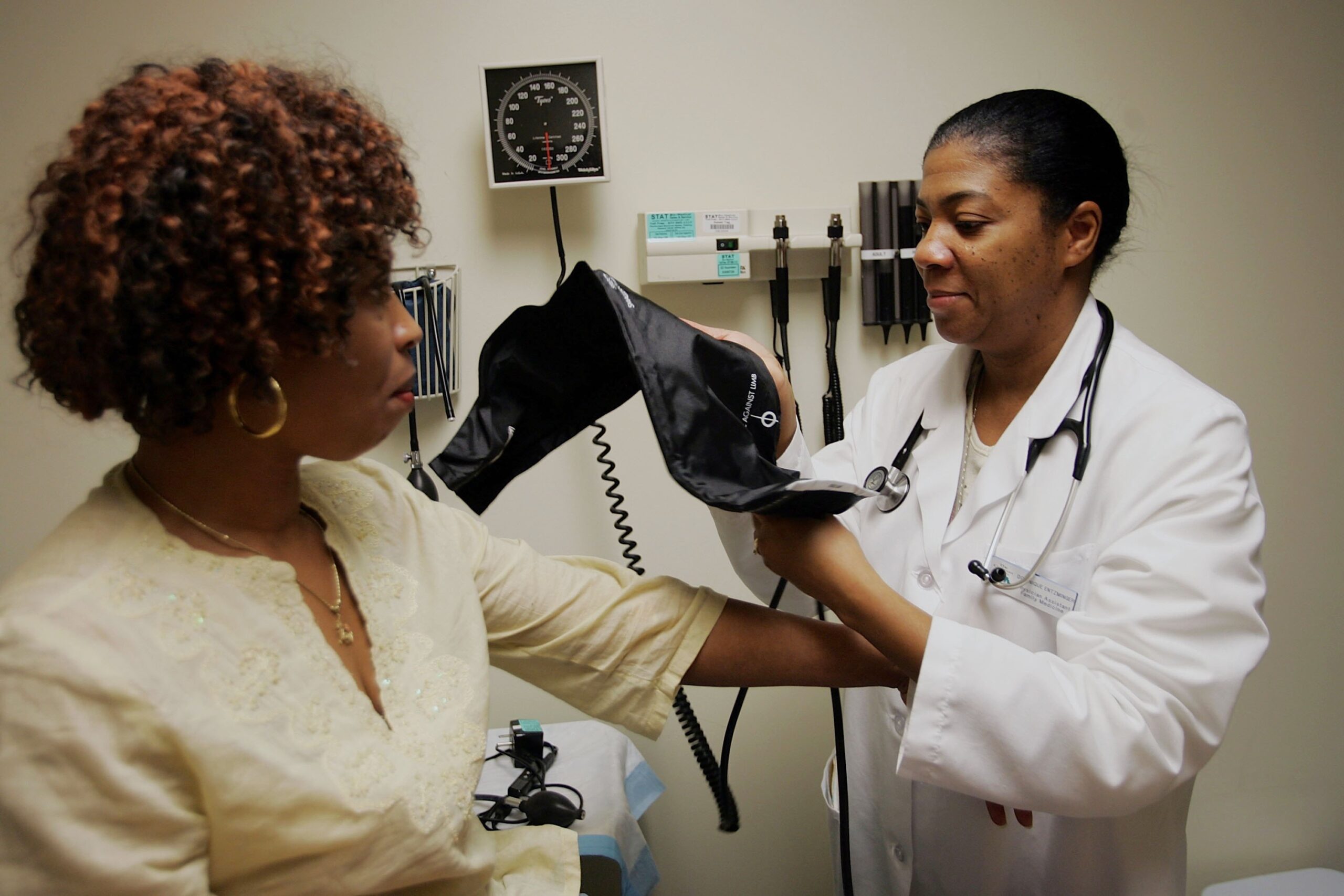
National health spending in the United States experienced a significant increase of 7.2% in 2024, marking the second consecutive year of growth. This surge in spending comes as a result of heightened demand for medical care across the country. The data, released by the Centers for Medicare & Medicaid Services (CMS), highlights a continued trend of Americans seeking more healthcare services.
The rise in expenditure is attributed to various factors, including the aging population and the ongoing recovery from the COVID-19 pandemic. As people prioritize their health, hospitals and clinics have witnessed a surge in patient visits. This growing demand has prompted healthcare providers to expand their services and resources, further driving up costs.
Key Drivers Behind Rising Health Costs
Several critical elements have contributed to the notable increase in national health spending. Firstly, the demographic shift towards an older population has led to higher healthcare needs. According to the CMS, individuals aged 65 and older typically incur more significant medical expenses, driving up overall costs.
Additionally, advancements in medical technology and pharmaceuticals have played a role in increasing expenditures. New treatments and procedures often come with hefty price tags, which can result in higher out-of-pocket costs for patients. The CMS report indicates that spending on prescription drugs alone rose significantly, reflecting the broader trend of increasing healthcare costs.
Moreover, the lingering effects of the pandemic continue to impact health spending. Many individuals are seeking preventive care and routine check-ups that were postponed during the height of the crisis. This uptick in demand for services is likely to persist as people remain vigilant about their health.
Future Implications for the Healthcare System
The implications of rising health spending are profound for both consumers and policymakers. With costs escalating, there is growing concern about healthcare affordability for the average American. Many families face challenges in managing their medical expenses, leading to difficult choices regarding insurance and care.
Policymakers will need to address these challenges as they consider reforms aimed at controlling costs while ensuring access to quality healthcare. As the CMS noted, the trajectory of health spending raises questions about the sustainability of the current system.
In conclusion, the 7.2% increase in national health spending underscores a significant shift in the healthcare landscape. With ongoing demand for services and rising costs, the need for strategic solutions becomes increasingly urgent. As 2024 progresses, the healthcare sector will undoubtedly face continued scrutiny regarding its spending patterns and the impact on consumers.