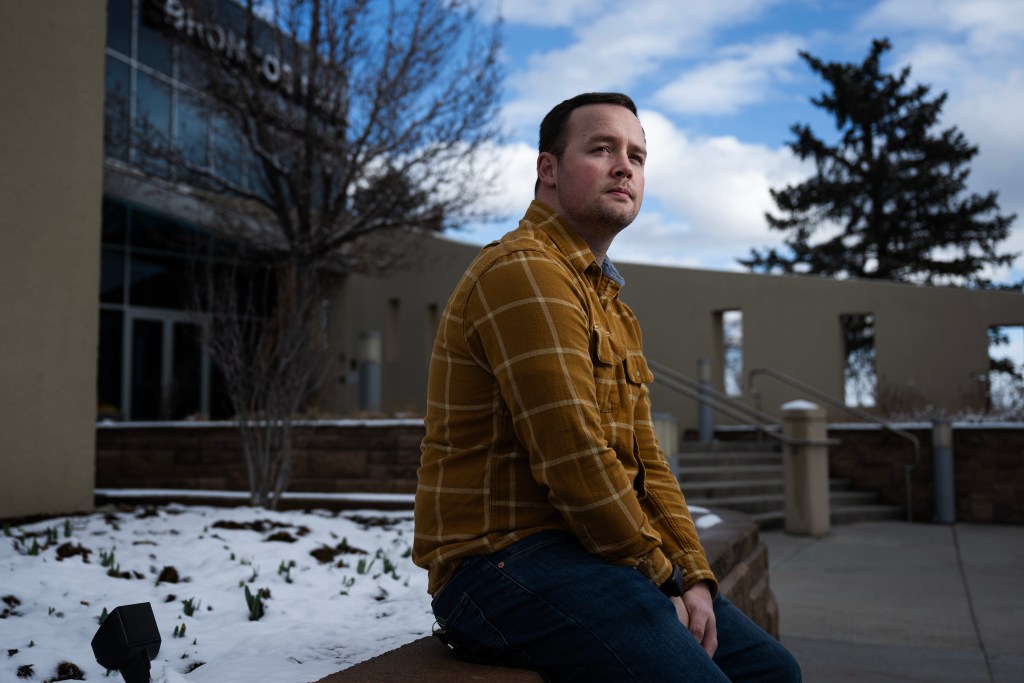
An AI-generated Facebook post falsely reported the death of Denver Broncos analyst Cody Roark, leaving him bewildered and concerned about the implications of such misinformation. On the morning of December 28, 2023, the 31-year-old journalist discovered he was allegedly dead while enjoying his morning coffee. Meanwhile, his coworker Doug Ottewill was assisting his 79-year-old mother, Helen Ottewill, with her new iPad when she stumbled upon the post. The account, “Wild Horse Warriors,” claimed that Roark had died in a tragic incident, mentioning a child he does not have.
The post featured a graphic with an R.I.P. insignia and a photo of Roark smiling, which only fueled his confusion. “It was just one of those things you hate seeing,” Roark reflected a week later at the Broncos’ practice facility. “I always thought, like — usually you see that happen to, like, high-profile celebrities. For that to happen to me was just really weird.”
Roark, who reports for Mile High Sports, has garnered a following of over 21,000 on X. His career in the Denver media landscape has made him a recognizable figure among Broncos fans, yet he expressed disbelief that anyone would create a hoax around him. He identified the post as AI-generated, noting that no such image of him exists with a child.
Impact of Misinformation in Sports Media
The “Wild Horse Warriors” account has been active since November, regularly posting false information about the Broncos. In addition to the fabricated claim about Roark, the account alleged that player Courtland Sutton refused to wear a rainbow armband during a game and that coach Sean Payton welcomed his sixth child on Christmas Day. Each of these claims lacked factual basis and was accompanied by dubious images.
The spread of misinformation can have significant consequences. Roark’s post alone attracted over 120 reactions, highlighting how quickly false narratives can gain traction. Following inquiries from The Denver Post, Meta removed the “Wild Horse Warriors” page, citing violations of policies against inauthentic behavior.
Meta’s spokesperson explained that inauthentic behavior encompasses deceptive practices by networks of accounts designed to mislead users and evade community standards. Despite the removal of this particular account, many others with similar misleading content remain active, misleading fans across various sports communities.
Experts in AI and social media disinformation emphasize that while AI itself is not inherently problematic, its misuse can create widespread networks of false information. Roark pointed out the challenge this poses, especially for individuals who may not be aware of the nuances of social media. “A lot of older people are there on Facebook. They believe it. And it spreads like wildfire,” he remarked.
The Broader Landscape of Misinformation
The rise of accounts like “Wild Horse Warriors” is indicative of a more extensive issue within social media, where fake content proliferates rapidly. Other accounts have emerged, targeting different fanbases with similar tactics, creating an environment where misinformation can easily flourish.
The motivation behind such accounts often appears to be financial gain. Many fake posts include links to ad-driven websites that generate revenue through user engagement. As Brian Keegan, a professor at the University of Colorado, explained, even a modest number of clicks across multiple posts can result in significant profits for the creators.
The potential risks extend beyond mere misinformation. There are concerns about the security implications of clicking on links from these posts, which could expose users to phishing attempts or data breaches. As Peter Organisciak, a university professor who studies AI, noted, the ease of being misled in seemingly innocuous contexts can lead to vulnerabilities in more critical areas of online activity.
Roark’s experience serves as a cautionary tale about the dangers of misinformation in the digital age. The confusion surrounding his supposed death underscores the need for critical literacy among social media users. As misinformation evolves, so too must the public’s ability to discern fact from fiction.
In a world where fabricated stories can easily spread, even a well-known sports reporter like Roark is not immune. Referring to the AI-generated content, he quipped, “They must think I look old.” Despite his lighthearted response, the incident has left him pondering the strange reality of living in an era where misinformation can impact anyone, regardless of their status or public visibility.