President Donald Trump is postponing a decision regarding military strikes against Iran as he consults with advisors and allies about the potential repercussions of such an operation. According to five sources from the U.S., Israel, and Arab nations, the administration is weighing the timing and implications of a strike that could destabilize the Iranian regime.
The military option remains available, but Trump’s delay has revealed significant uncertainty within his administration and among allies about the risks of retaliation from Iran. As Trump considers diplomatic alternatives, the U.S. military is evacuating personnel from bases in the Middle East and sending reinforcements, including the aircraft carrier USS Abraham Lincoln and its strike group.
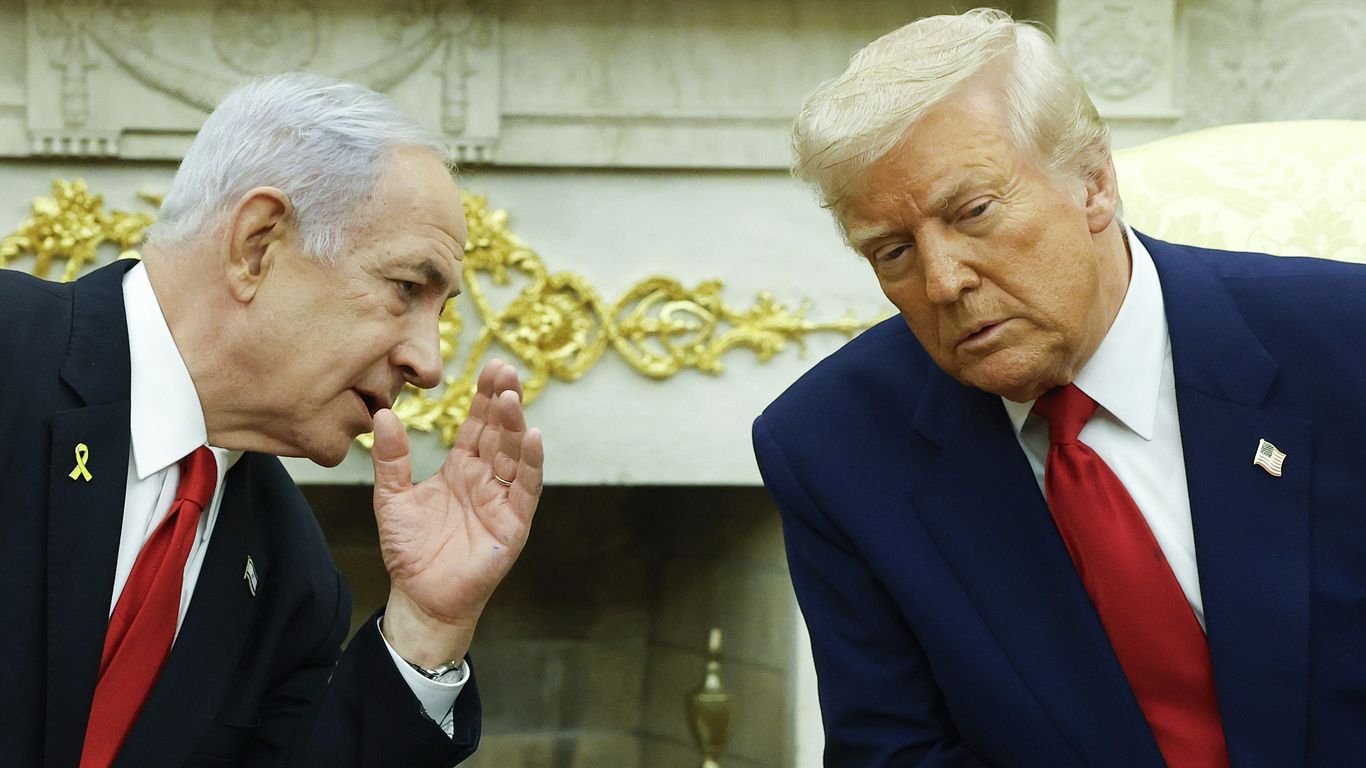
While a military strike does not appear imminent, a U.S. source familiar with the situation remarked, “Everyone knows the president keeps his finger over the button.” This uncertainty is underscored by recent communications with Israeli officials, including a conversation between Trump and Israeli Prime Minister Benjamin Netanyahu. Reportedly, Netanyahu requested that Trump delay any military action to allow Israel more time to prepare for potential Iranian retaliation.
Israeli sources indicated that the current U.S. plan involves targeting Iran’s security forces, but they believe it may not be sufficient to significantly destabilize the regime.
Trump has consistently stated his readiness to respond militarily if Iran harms protesters involved in ongoing uprisings against the government. In a social media post on March 12, 2024, he urged the Iranian people to “take over” government institutions, reflecting his support for their cause. Reports suggest that thousands of protesters have died at the hands of Iranian security forces, which have implemented severe internet and communication restrictions during violent crackdowns.
White House Press Secretary Karoline Leavitt stated that 800 executions previously planned in Iran have been postponed due to pressure from Trump. In a recent statement, Trump claimed he had been informed “on good authority” that the violence against protesters was decreasing, while Iranian Foreign Minister Abbas Araghchi denied any plans for executions.
As tensions rise, Iran temporarily closed its airspace on March 13, 2024, amid fears of a U.S. military strike. The messaging from Washington appears strategically vague, possibly to disorient Iran, reminiscent of U.S. actions targeting its nuclear facilities in May 2023.
Decision-making is concentrated within a small circle of top officials in the Trump administration. One U.S. source emphasized that the president is keeping all options open, stating, “He likes to preserve optionality and it’s a hallmark of his approach that he’ll talk to anyone, anytime.” Leavitt reiterated that all options remain on the table.
Discussions regarding military action took place on March 12, 2024, when Trump met with national security advisors. Although no decisions were made, sources indicated that Trump opted for further deliberation to refine the plans. An Israeli source noted that Trump decided to take additional time to evaluate the situation.
On March 13, 2024, Iran’s ambassador to Pakistan, Reza Amiri Moghadam, claimed Trump communicated that he would not attack Iran and urged restraint from their side. The White House has denied that such a message was conveyed. Following this, Trump shared a report on social media about a protester’s sentence being revoked, expressing optimism about the situation in Iran.
Behind the scenes, the Trump administration is in close consultation with Israel regarding military strategies aimed at Iran. Israeli sources indicated that Netanyahu has been cautious not to pressure Trump into action, allowing the president to make independent decisions. The Israeli message to the U.S. has been one of support without pushing for immediate military action.
In tandem with military considerations, the U.S. is increasing political and economic pressures on the Iranian regime. The U.S. Treasury Department announced new sanctions on March 14, 2024, targeting Ali Larijani, the secretary general of Iran’s supreme national security council, and several commanders involved in the crackdown on protesters.
As the situation evolves, U.S. sources indicate that Trump remains open to diplomatic engagement with Iran but seeks a firm commitment from their leadership for a serious negotiation. A source stated, “Eventually the Iranian regime will go down unless the supreme leader speaks directly to DJT. He doesn’t trust that anyone else in their system has the authority to actually negotiate.”