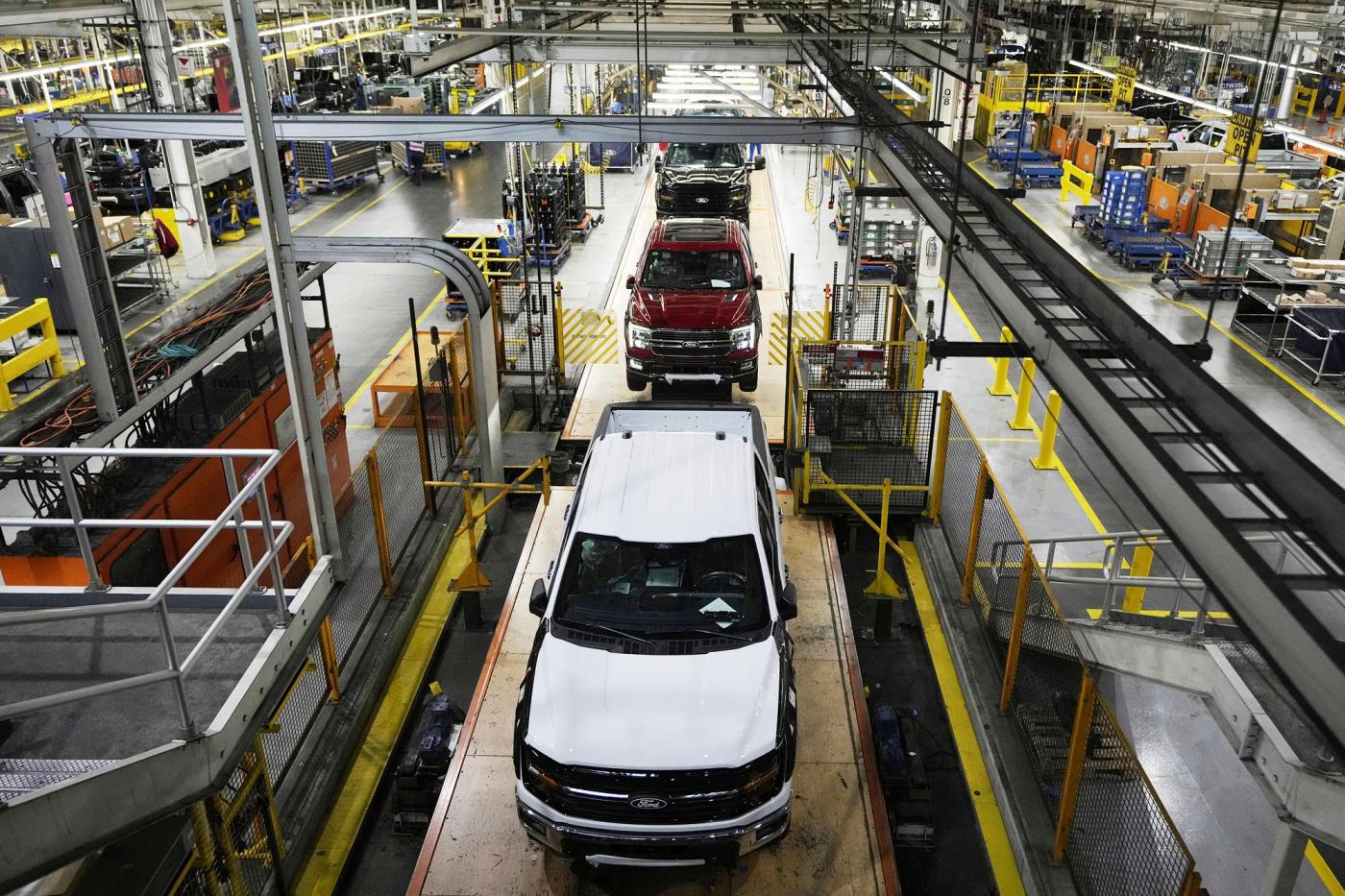
The American manufacturing sector has seen a significant decline, losing 68,000 jobs over the past year, according to data from the Bureau of Labor Statistics. The downturn continued through 2025, marked by an eight-month slide in employment figures. Concurrently, the Institute for Supply Management reported a continuous decline in manufacturing activity for ten months, culminating in a record low in December 2025. Employment in the manufacturing sector has contracted for eleven consecutive months, although the pace of decline slowed in December.
Despite claims from the White House of an “American manufacturing boom” under the leadership of President Donald Trump, evidence suggests that the anticipated turnaround has yet to materialize. The administration has touted trillions of dollars in new investments and emphasized tariffs as a critical mechanism for revitalizing domestic manufacturing. Yet, industry experts argue that the effects of such policies take time to develop.
Business professor Jay Zagorsky likened the manufacturing sector to a “giant ship,” stating that implementing tariffs to reverse trends in manufacturing is a slow process. Factories require extensive time to permit, construct, equip, and train personnel adequately. Labor economist Peter Mueser from the University of Missouri echoed this sentiment, noting that while tariffs are expected to support domestic manufacturing, the impact is gradual.
Uncertainty surrounding tariff policy has emerged as a significant barrier for manufacturers considering expansion in the U.S. Mueser pointed out that the fluctuating nature of tariffs—being imposed, reduced, or postponed—creates a climate of unpredictability. He emphasized that the Trump administration has only three years remaining, and there is no assurance that subsequent administrations will maintain existing tariffs.
The decision-making process for manufacturers is fraught with hesitation. Zagorsky observed that many are delaying factory investments in the U.S. while awaiting clarity on tariff policies, particularly with the Supreme Court currently deliberating on Trump’s authority to impose tariffs under the International Emergency Economic Powers Act.
While the tariffs have not yet succeeded in significantly increasing manufacturing jobs, Zagorsky noted that they have effectively raised revenue for the federal government. He remarked, “I think the tariffs are working quite well in causing confusion and consternation among both importers, exporters, and manufacturers.”
Concerns about tariffs are also echoed by the National Association of Manufacturers (NAM), which has reported that these trade barriers have adversely affected manufacturers. A recent NAM survey indicated varied economic challenges, with trade uncertainty listed as a top concern. Approximately 80% of manufacturers reported paying tariffs on imported manufacturing inputs since the beginning of 2025.
NAM President and CEO Jay Timmons previously conveyed to CBS News that U.S. manufacturers advocate for trade agreements that feature zero tariffs. They also stress the importance of access to essential materials sourced from international suppliers.
Mueser and Zagorsky noted that reshoring manufacturing could lead to higher costs for American consumers. Mueser highlighted that manufacturing in the U.S. is generally more expensive than in countries like the Philippines or China due to higher wages reflecting the standard of living. “But that isn’t to say that there couldn’t be a reshoring effect,” he added, acknowledging that some individuals may benefit from such changes.
Zagorsky underscored national security issues tied to reliance on foreign producers. He suggested that while not all factories need to be situated in the U.S., diversifying supply chains to ensure access to vital goods from allied nations could enhance national security.
As the manufacturing landscape continues to evolve, the future of U.S. manufacturing remains uncertain amidst ongoing tariff debates. The implications for both the economy and consumers will unfold as policies and market conditions develop.