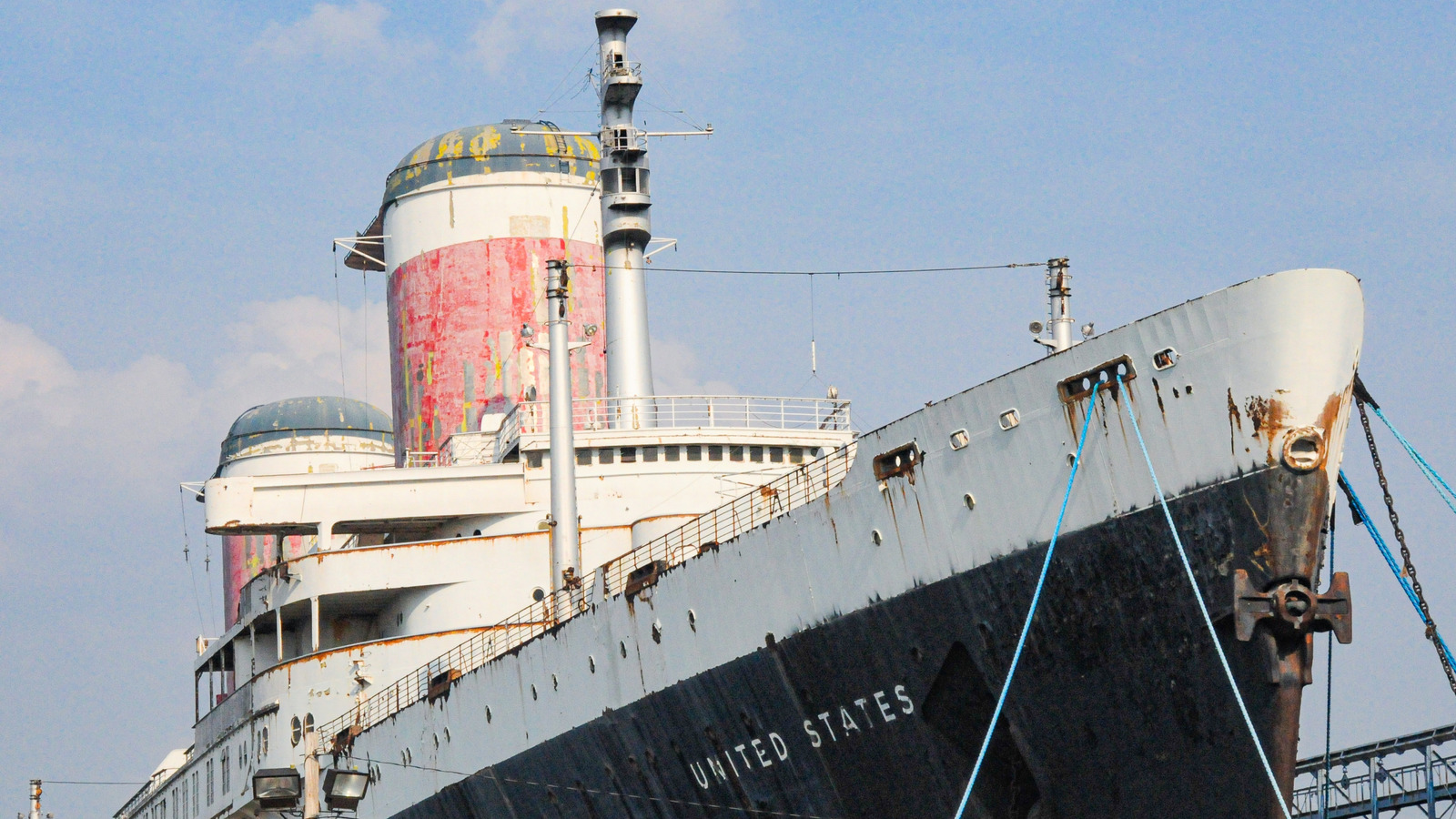
UPDATE: The iconic SS United States, renowned as the fastest ocean liner in history, is set for a transformative fate as plans emerge to turn it into an artificial reef off the coast of Florida. This decision comes after decades of neglect, marking a pivotal moment for a vessel that once epitomized American maritime prowess.
The majestic liner, which first sailed in 1951, made headlines for its record-setting journey from New York to Cornwall, England, achieving a staggering speed of 44 miles per hour. Powered by four steam turbines and eight boilers, the ship boasted an impressive 240,000 horsepower, establishing it as a beacon of engineering excellence.
While the SS United States’s significance cannot be overstated, its condition has deteriorated over the past 30 years. The estimated cost to restore it to its former glory would equal the extraordinary power it once wielded. As discussions progress, the proposed plan to scuttle the vessel is causing a stir among historians and maritime enthusiasts alike.
Officials are considering this new chapter for the SS United States as a means to create the world’s largest artificial reef. However, opinions are divided. Some argue that the ship should be preserved as a national treasure, while others believe that its transformation into a reef is a fitting tribute to its remarkable legacy.
In a poignant twist, the ship’s iconic funnels will be salvaged and showcased in the upcoming SS United States Museum and Visitor Experience in Mobile, Alabama, ensuring that its story will continue to inspire future generations.
As the plans unfold, the world watches closely, waiting to see how this historic vessel will ultimately be commemorated. The decision to convert the SS United States into an artificial reef could set a precedent for other significant maritime artifacts facing similar fates.
Stay tuned for more updates on this developing story. The fate of the SS United States is a matter of national interest, and its future will undoubtedly spark discussions about heritage, preservation, and the evolving relationship between history and nature.