A recent study conducted by researchers from Kasetsart University has shed light on the fermentation process of ‘Nam Hom’ coconut cider, offering insights that could enhance its production and commercial viability. Published in Beverage Plant Research on March 17, 2025, the research examines how different yeast strains influence the aroma, flavor, and bioactive compounds of this unique beverage.
‘Nam Hom’ coconut (Cocos nucifera L.) is celebrated for its sweet water, which is rich in sugars and minerals. However, the short shelf life of coconut water poses challenges for its commercialization. Fermenting coconut water into cider provides an effective solution, creating a low-alcohol beverage with desirable sensory qualities while extending its shelf life.
Examining the Fermentation Process
The study, led by Kriskamol Na Jom, utilized an innovative approach that combined physicochemical monitoring with metabolomics and flavoromics data. By inoculating the fermentation process with two commercial yeast strains—K1-V1116 and EC-1118—researchers tracked the transformation of sugars into alcohol and fruity aroma compounds, while also observing the accumulation of beneficial fatty acids and amino acids.
The results were significant: both yeast strains demonstrated similar fermentation kinetics, with Brix and reducing sugars showing a steady decline. The pH decreased slightly, indicating increased acidity, while the alcohol content rose to approximately 7–8%, aligning with typical cider standards. Notably, the study confirmed no contamination from lactic acid bacteria during the fermentation process.
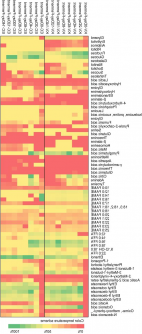
Through advanced multivariate statistics, the researchers identified three distinct fermentation stages: pre-fermentation, in-process, and final product. A total of 152 metabolite peaks were detected, with 64 identified, including 16 volatile flavor compounds. This detailed profiling enabled a clearer understanding of the chemical changes occurring throughout fermentation.
Flavor and Aroma Development
One of the most intriguing aspects of the study was the influence of yeast choice on flavor outcomes. The yeast strains produced varying levels of esters—chemical compounds that significantly contribute to the fruity and floral notes in the cider. The K1-V1116 strain was found to enhance aroma through greater ester production, while the EC-1118 strain delivered a cleaner fermentation profile with pronounced fruity characteristics.
The research highlighted the correlation between sugars, amino acids, and flavor compounds, showcasing how metabolic pathways can be tailored to shape the final aroma and nutritional value of coconut cider. As fermentation progressed, amino acids such as leucine and isoleucine increased, aligning with metabolic processes that convert sugars into ethanol and other metabolites.
Furthermore, lipid analysis revealed an increase in free fatty acids, particularly lauric and stearic acids, which were more abundant in fermentations using K1-V1116. The flavoromics analysis confirmed that esters were the primary drivers of aroma, with notable compounds including isoamyl acetate and 2-phenyl acetate contributing to the cider’s distinctive scent.
The findings of this study offer practical insights for coconut cider producers. By selecting specific yeasts and controlling fermentation times, producers can customize flavor profiles, ranging from dry and clean to fruity and aromatic, while retaining the beneficial bioactive compounds inherent in ‘Nam Hom’ coconut.
This research marks a significant step forward in understanding the complex chemical transformations during coconut cider fermentation. It opens new opportunities for developing value-added coconut beverages, potentially transforming the market for this tropical product.
By leveraging the insights from this study, producers can not only enhance the flavor and aroma of their products but also contribute to the sustainability and viability of coconut-based drinks in the competitive beverage industry.