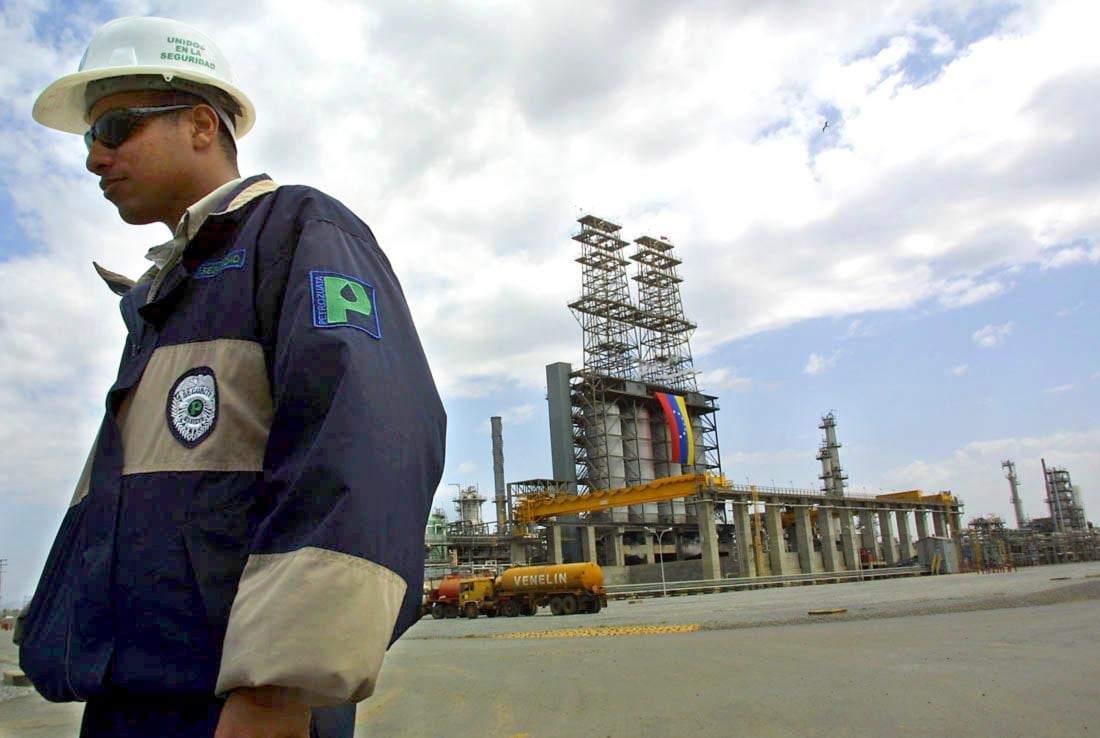
The return of ConocoPhillips to Venezuela’s oil sector is overshadowed by a recent kidnapping incident and a looming financial battle involving $12 billion. As U.S. oil companies consider re-entering the Latin American market, the challenges facing ConocoPhillips suggest that the company must navigate a complex landscape before resuming operations.
In recent statements, former U.S. President Donald Trump has encouraged oil companies to explore opportunities in Latin America. He believes that the region offers significant potential for energy investment. However, the situation for ConocoPhillips is complicated by the broader implications of its previous exit and the current geopolitical climate.
The backdrop to this situation includes a $12 billion arbitration award against the Venezuelan government, stemming from ConocoPhillips’ forced exit from the country in 2007. The company pulled out after the Venezuelan government nationalized its oil assets, which has since led to lengthy legal battles over compensation. The ongoing negotiations and potential for resolution remain uncertain, particularly given the current political climate in Venezuela.
Compounding these challenges is a troubling kidnapping incident involving a ConocoPhillips contractor in Venezuela. This incident highlights the security risks associated with operating in the country. The contractor was taken hostage in an area known for its instability, raising alarms about the safety of personnel in the region. The company has not disclosed the contractor’s identity or the circumstances surrounding the kidnapping, but the incident underscores the difficulties of re-entering a market fraught with danger.
The Venezuelan oil sector, once one of the richest in the world, has faced severe declines in production and investment in recent years. According to recent estimates, the country’s oil output has plummeted to about 700,000 barrels per day, a stark contrast to the 3.2 million barrels produced daily in 1998. This decline has created a significant opportunity for companies like ConocoPhillips, but the risks involved are substantial.
Re-establishing operations in Venezuela is not just a financial decision for ConocoPhillips; it also carries reputational risks. The company must weigh the potential benefits against the backdrop of human rights issues and political instability that have plagued Venezuela in recent years. As U.S. companies eye the energy market, they face increased scrutiny from stakeholders regarding ethical considerations and operational safety.
As the energy landscape evolves, the financial implications of a return to Venezuela could be significant for ConocoPhillips. The company must also contend with fluctuating global oil prices, which can impact profitability. The uncertainty surrounding the Venezuelan government’s willingness to compensate for past losses adds another layer of complexity to the situation.
In summary, the prospect of ConocoPhillips returning to Venezuela is fraught with challenges, including a recent kidnapping incident and a substantial financial dispute. As the company navigates this intricate environment, its decisions will not only influence its future but also resonate across the broader oil sector in Latin America. The road ahead may be difficult, but the potential rewards could be substantial if ConocoPhillips successfully re-establishes its presence in this resource-rich nation.