Hawaiian Airlines has announced plans to introduce a premium economy cabin, marking a significant shift in its service offerings. This decision comes as the airline prepares to enhance its fleet and align with evolving market demands. The new cabin will bridge the gap between the current economy and business class, providing travelers with a more comfortable option for long-haul flights.
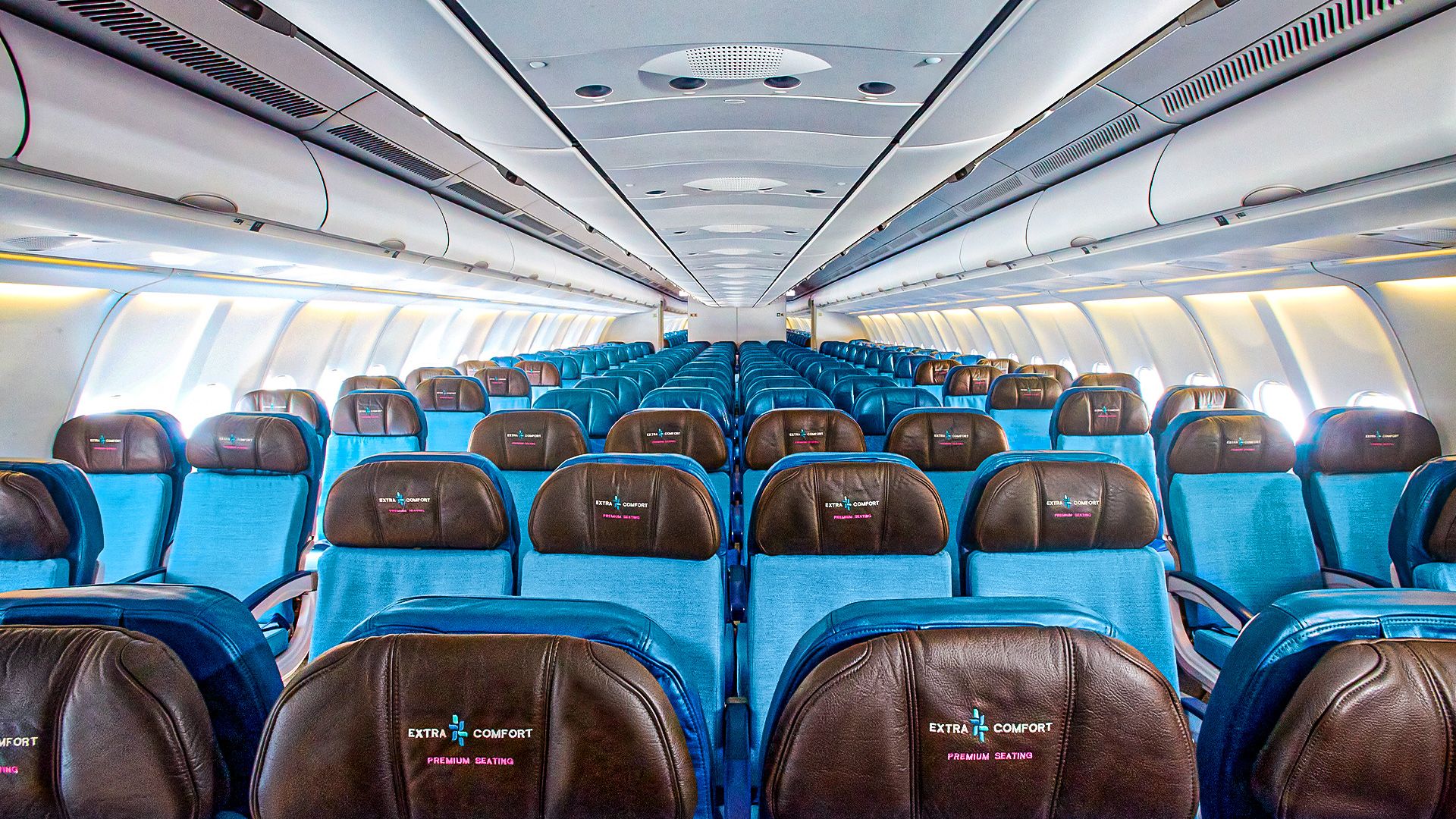
Historically, Hawaiian Airlines distinguished itself from other full-service carriers in the United States by focusing on hospitality and leisure travel, particularly to Hawaii. For years, the airline relied on Economy Comfort seats, which offered extra legroom but did not constitute a true premium economy experience. The lack of a dedicated premium economy cabin was largely due to the airline’s leisure-focused routes, which often struggled to fill a premium cabin.
The landscape is changing for Hawaiian Airlines, driven by a new strategic direction under the Alaska Air Group. This includes a comprehensive investment plan that will see a full interior overhaul of Hawaiian’s Airbus A330 fleet starting in 2028. As part of this upgrade, the airline will introduce an international-style premium economy cabin, responding to increasing passenger demand for enhanced comfort on long flights.
Transitioning from Economy Comfort to Premium Economy
In the past, Hawaiian Airlines utilized Economy Comfort seats as a marketing strategy, allowing passengers access to additional legroom and power outlets without officially designating a premium cabin. This approach, while innovative, did not effectively capture the growing demand for a dedicated premium economy offering.
The upcoming premium economy cabin is expected to feature four rows of wider recliner seats and an upgraded in-flight dining experience. While specific seat manufacturers have not been announced, industry standards suggest a 2-3-2 configuration with significantly more pitch and deeper recline than standard economy seats. These enhancements aim to create a more intentional onboard experience, appealing to travelers seeking additional comfort without the expense of business class.
With Hawaiian Airlines set to join the one world alliance on April 22, 2026, this new cabin is timely. The alliance emphasizes premium economy seating, which serves as a crucial revenue stream for many carriers. The move will allow Hawaiian Airlines to compete more effectively on routes that are popular with both leisure and business travelers.
Strategic Fleet Overhaul and Market Positioning
The timing of this premium economy introduction aligns with a broader capital investment strategy. The Alaska Air Group aims to modernize Hawaiian Airlines’ fleet, which includes a complete refurbishment of all 24 Airbus A330 aircraft. This overhaul will involve new seating, lighting, and improvements to the overall passenger experience, including high-definition seatback screens and enhanced connectivity options.
The competitive dynamics of the airline industry also underscore the need for Hawaiian Airlines to adapt. The current economic landscape favors premium economy as a revenue-generating opportunity that does not necessitate the space required for lie-flat business class seats. Hawaiian’s network, with its long overwater flights, presents an ideal scenario for this type of service enhancement.
By establishing a dedicated premium cabin, Hawaiian Airlines can cater to travelers who prefer more comfort than economy class offers while preserving business class for high-yield customers. This strategic reconfiguration is designed to maximize revenue potential and improve market positioning.
The introduction of premium economy comes at a time when many airlines are enhancing their offerings to meet customer expectations. Hawaiian Airlines is poised to capture a segment of the market that is increasingly seeking value without compromising comfort.
In conclusion, Hawaiian Airlines is set to transform its service offerings with the introduction of a premium economy cabin. This strategic move aligns with the airline’s modernization efforts and addresses the growing demand for enhanced travel experiences. As the airline prepares for its upcoming alliance membership, it aims to solidify its position as a competitive player in the international market. The success of this initiative will depend on effectively filling these new seats and capturing the interest of both leisure and business travelers.