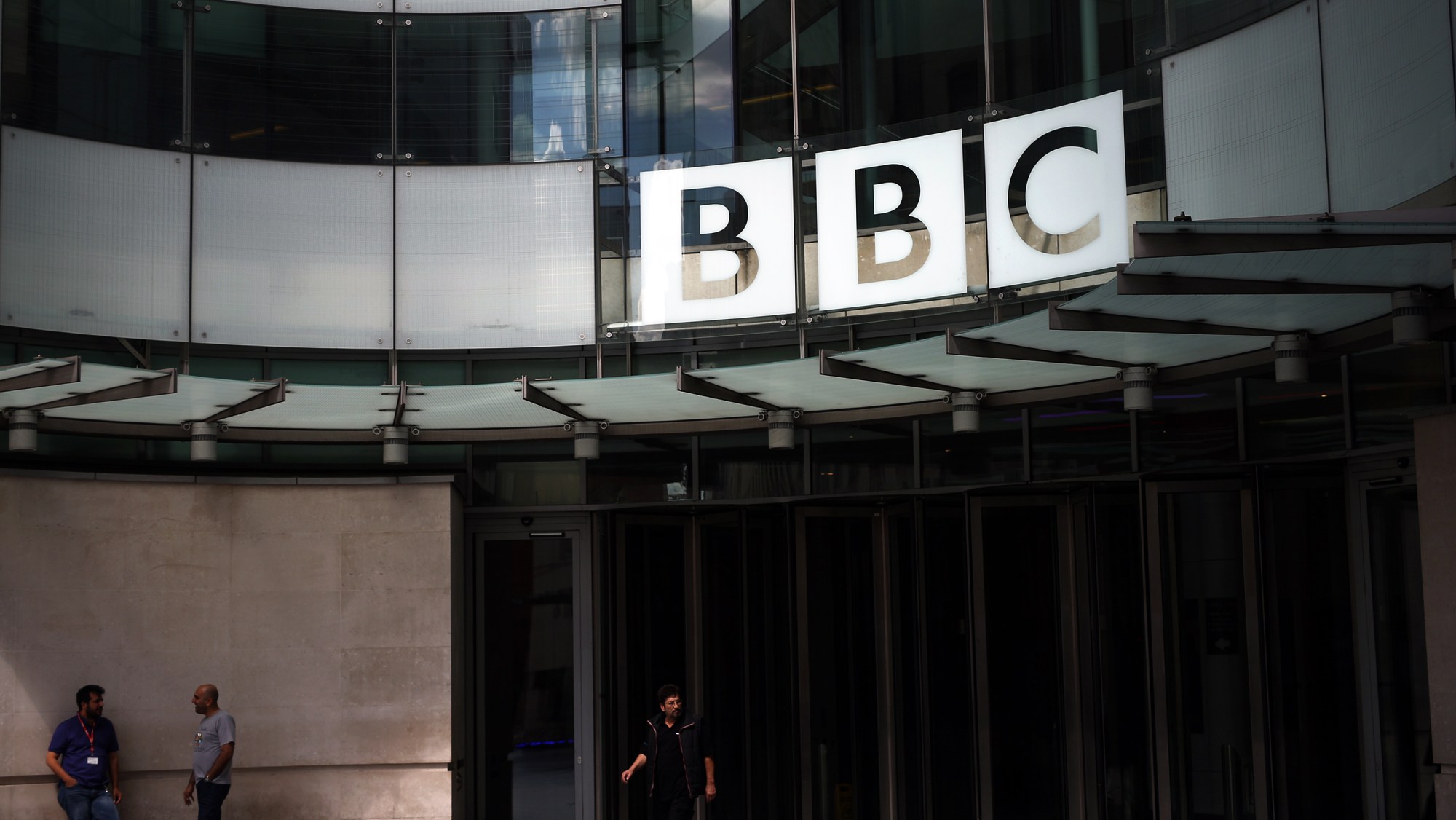
The BBC has entered into a significant agreement with YouTube to produce original content, marking a notable shift in the British broadcaster’s strategy to engage with younger audiences. This partnership, announced recently, aims to leverage YouTube’s vast reach while enhancing the BBC’s digital footprint in a media landscape increasingly dominated by streaming platforms.
The collaboration will primarily focus on the audience of the BBC Three channel, encompassing entertainment, news, and sports content tailored for younger viewers. As the BBC strives to adapt to changing viewing habits, this initiative represents a proactive approach to connect with a demographic that prefers online consumption over traditional television.
Original programming developed under this deal is expected to be made available not only on YouTube but also on the BBC’s iPlayer and BBC Sounds platforms in the future. Currently, the BBC’s main YouTube channel boasts over 15 million subscribers, who primarily access trailers and clips. Additionally, the BBC News channel has around 19 million subscribers, showcasing the broadcaster’s existing appeal on digital platforms.
This new venture allows the BBC to monetize content internationally, particularly important as the organization seeks to bolster income from its license fee, which is funded by UK taxpayers. Unlike traditional broadcasters, the BBC does not run advertisements in the UK, making this deal with YouTube a strategic opportunity to generate revenue abroad.
Juliane Althoff, a film and television lawyer at media and entertainment law firm Simkins LLP, remarked on the implications of this agreement. She stated, “This deal marks a strategic acknowledgement of where audiences now sit and how they consume content—especially younger demographics—and reflects the need to increase commercial opportunities to supplement the license fee.” Althoff emphasized that by commissioning content for YouTube while retaining rights for iPlayer and BBC Sounds, the BBC can broaden its audience reach while maintaining its public service obligations.
The legal aspects of this partnership also present challenges, particularly concerning editorial control and brand integrity. Althoff noted that any agreement with YouTube must be carefully structured to ensure impartiality and accuracy, protecting the BBC from accusations of bias or misinformation. This focus on maintaining the BBC’s public service remit and long-term intellectual property value is crucial as it navigates this new digital landscape.
As the media environment continues to evolve, this landmark deal between the BBC and YouTube highlights the importance of innovative partnerships in reaching and engaging modern audiences. The outcome of this collaboration could set a precedent for other traditional broadcasters looking to thrive in the digital age.