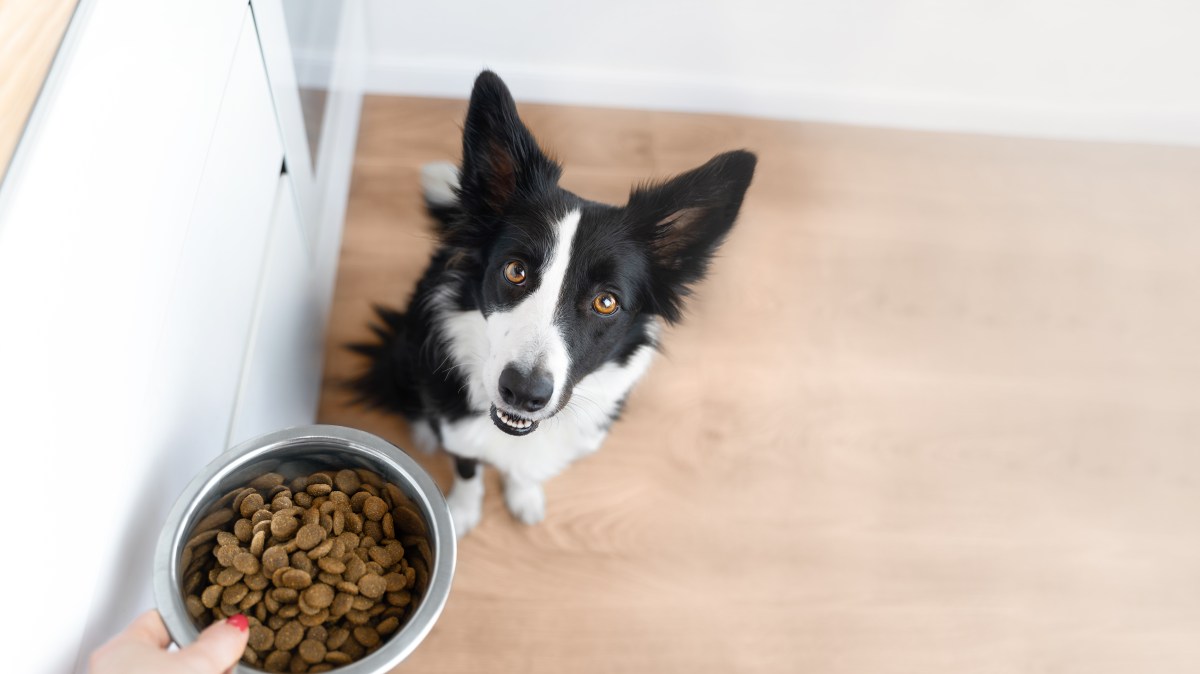
Pet obesity is on the rise, with more than half of dogs and cats in the United States classified as overweight. Veterinarians identify a widespread issue: overfeeding. Despite the good intentions of pet owners, many miscalculate the amount of food and treats their pets require. According to a 2018 survey by the ASPCA, approximately 60 percent of cats and 56 percent of dogs in the U.S. were either overweight or obese.
Veterinary experts emphasize that this alarming trend continues largely due to common misconceptions regarding portion sizes and feeding practices. Dr. Sam Gilbert, a veterinarian formerly with Zoetis, noted that overfeeding can significantly reduce a pet’s lifespan. He pointed out, “One study revealed that an obese dog’s lifespan is shortened by up to 2.5 years compared to a dog that is a healthy body weight.”
Health Risks Linked to Obesity
The implications of pet obesity extend beyond mere appearance; they pose serious health risks. Overweight pets are more likely to develop conditions such as diabetes, arthritis, heart disease, and complications during surgery. Additionally, obesity-related inflammation can hinder mobility, causing issues with the spine.
Veterinarians urge pet owners to reconsider their feeding habits. Common mistakes include free-feeding, guessing portion sizes, and misinterpreting food label guidelines. Allowing pets to graze throughout the day can lead to excessive snacking, especially among animals that eat out of boredom rather than hunger. The ASPCA has also highlighted the concept of “affection feeding,” where owners attempt to show love through large meals and treats. The organization warns that this approach is often misguided.
Practical Solutions for Pet Owners
To combat the rising rates of obesity in pets, veterinarians recommend several strategies for proper feeding. Using measuring cups or pre-portioning meals and treats can help ensure pets receive the appropriate amount of food. Seeking professional advice can also assist in determining a pet’s ideal weight and caloric needs. Scheduled feedings, as opposed to constant access to food, can promote healthy weight management.
Several products are available to aid pet owners in controlling their pets’ food intake.
Slow-feeder bowls are designed to slow down eating, which can prevent dogs from consuming their food too quickly and reduce the risk of bloat, a potentially life-threatening condition. Silicone options are particularly effective, while stainless steel slow-feeder bowls offer ease of cleaning. Elevated bowls are also available for dogs, which can help alleviate posture and joint strain.
Portion-control scoops are another simple yet effective tool for measuring food accurately. Following a veterinarian’s guidelines becomes more manageable with these scoops, which can be made of stainless steel for easy cleaning or designed to clip to the side of the food bag.
For dogs that enjoy a different eating experience, lick mats provide a fun alternative. These mats present various puzzles for dogs to solve as they enjoy their meals, promoting mental engagement during feeding times.
As pet obesity continues to be a pressing concern, understanding proper feeding practices is crucial. By implementing these recommendations, pet owners can help their furry companions achieve healthier weights and, ultimately, longer, happier lives.