UPDATE: A pivotal proposal to provide free breakfast and lunch to all K-12 students in North Dakota just received a crucial recommendation from a legislative committee, setting the stage for a decisive vote on the House and Senate floors. This bill is part of a special legislative session focused on distributing $199 million in federal rural health care funding.
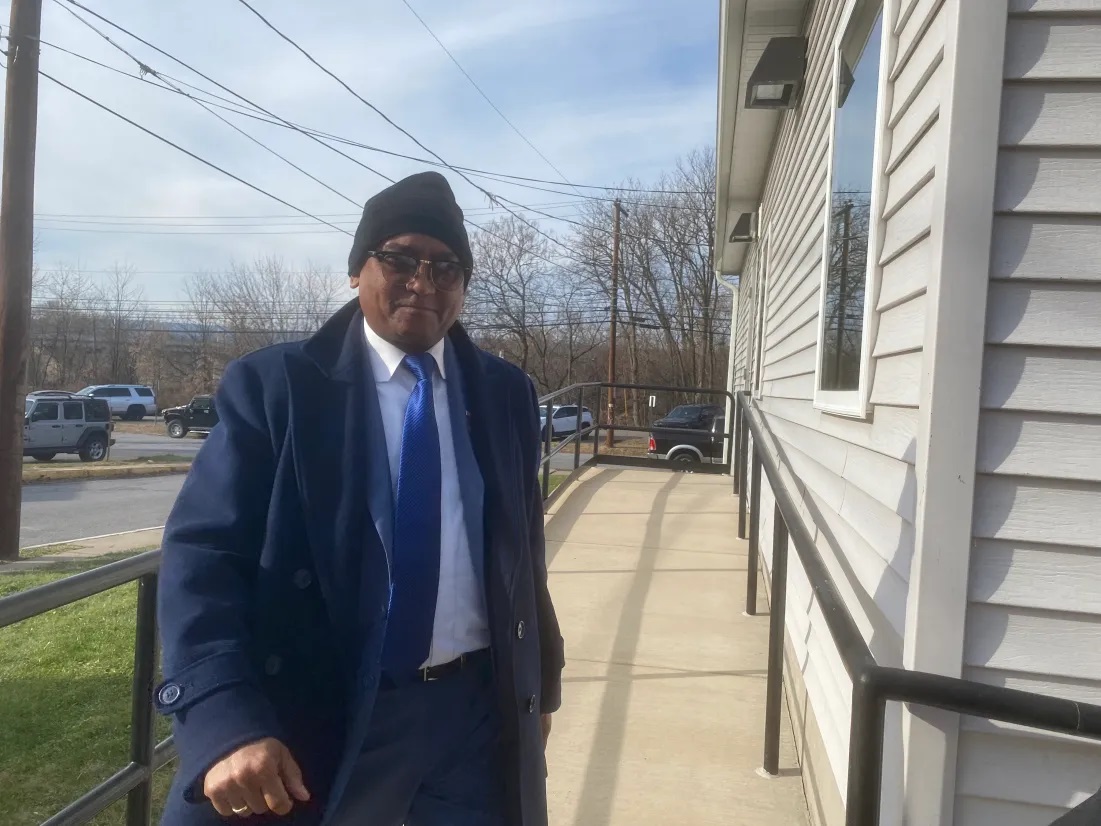
The committee’s endorsement comes amid growing pressure to address food insecurity in schools, as lawmakers consider two significant bills. House Bill 1624 aims to implement universal free meals for public school students, while House Bill 1627 seeks to expand eligibility for an existing program that provides meals at reduced prices. Polling indicates strong support for these initiatives, with 79% of North Dakotans backing free meals, according to President Nick Archuleta of North Dakota United.
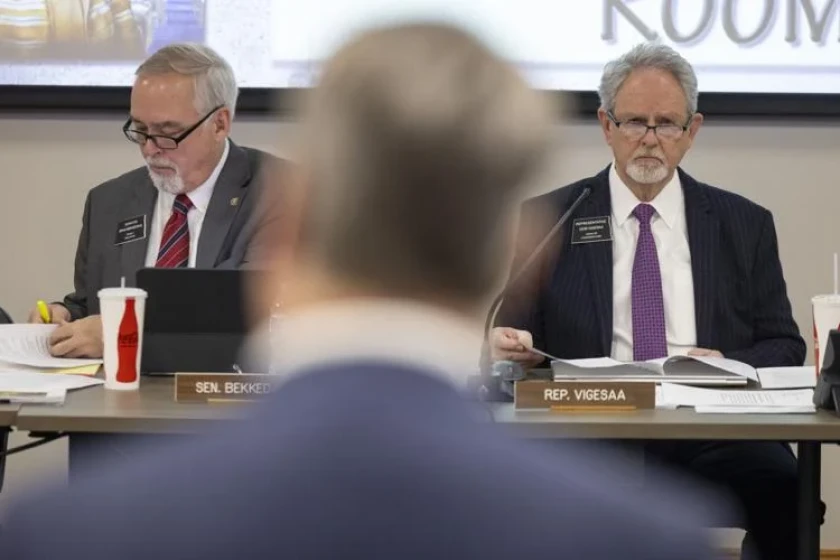
The Joint Appropriations Committee voted 17-5-1 in favor of the universal meals bill, with senators narrowly approving it 8-7-1 after a previously tied vote was resolved. This is a developing situation, as lawmakers scramble to stave off a proposed ballot measure that would mandate state-funded meals for students. The upcoming votes on these bills are critical, as they could reshape the funding landscape for school nutrition.
In recent years, previous attempts to make school meals universally free have stalled, despite increasing public support. A recent poll conducted by the North Dakota News Cooperative revealed that 82% of residents want the state government to take a more active role in providing meals to children. This sentiment reflects a growing acknowledgment of the financial struggles families face, especially amid economic pressures.
The financial implications of these bills are significant. House Bill 1624 is projected to cost $65 million for the 2026-27 school year, funded by the Strategic Investment and Improvement Fund, which relies on oil and gas taxes. Lawmakers are weighing the benefits of universal meals against concerns about the sustainability of funding, especially during economic downturns.
Testimonies during committee discussions highlighted the potential impact on school budgets, with some lawmakers fearing that universal meal provisions could divert resources from other essential programs. State Rep. Mike Nathe argued that his bill is a necessary response to both public demand and the looming ballot measure, emphasizing that it provides a flexible funding solution compared to a constitutional amendment.
Meanwhile, Rep. Ty Dressler‘s bill, which aims to raise the income eligibility threshold for free or reduced-price meals to 300% of the federal poverty line, received less enthusiasm from lawmakers. The existing program, which was recently expanded, has not garnered significant public interest, leading to questions about its effectiveness.
As North Dakota schools continue grappling with issues like lunch debt and meal accessibility, the urgency for legislative action has never been clearer. Advocates argue that universal meal access would alleviate financial burdens on families and ensure that no child goes hungry during school hours.
With legislators poised to vote soon, the decisions made in the coming days could have lasting effects on the state’s education and nutrition landscape. The outcome of these bills will not only impact students but also shape the broader conversation around food security in North Dakota.
Stay tuned for updates as this story develops and lawmakers prepare for what could be a historic vote on school meal accessibility.