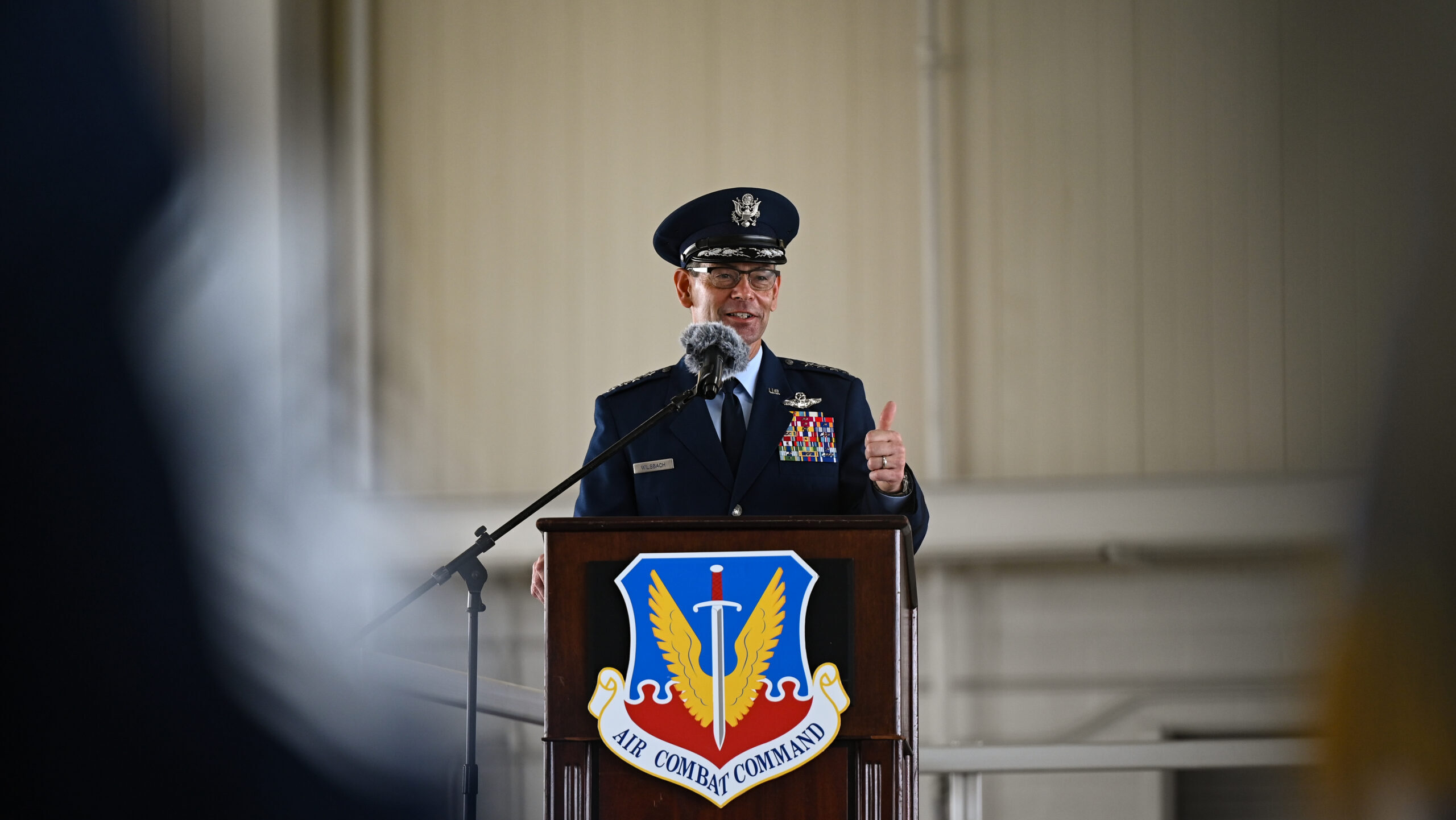
On January 3, 2024, American media faced a language conundrum during live coverage of a military operation that led to the removal of Venezuelan President Nicolás Maduro. In the midst of reporting, three journalists from NPR mistakenly referred to Pete Hegseth as the “secretary of war.” This title, although used informally by President Donald Trump, is not officially recognized; Hegseth serves as the secretary of defense, leading the Department of Defense. The situation highlights a broader debate about how journalists should navigate changing political terminology.
NPR’s editorial guidelines currently advise reporters to use “secretary of defense” and “Department of Defense,” while acknowledging Trump’s preferred title, “secretary of war,” only when necessary. This approach prevents confusion and maintains clarity for the audience. As Tony Cavin, NPR’s managing editor for standards, emphasized, the primary goal is to inform the public without appearing to endorse any political ideology.
The discussion surrounding the language used to describe government positions is not isolated to the military. Trump has also attempted to rename geographical and institutional landmarks, such as the Gulf of Mexico, which he referred to as the Gulf of America, and the Kennedy Center, which he has called the Trump-Kennedy Center. Additionally, he has reinstated the name Mount McKinley for the country’s highest peak, a title that had been officially changed to Denali during President Barack Obama’s administration in 2015.
Linguists argue that such renaming efforts often reflect a political agenda rather than a natural evolution of language. John McWhorter, a linguist and associate professor at Columbia University, noted that attempts to enforce language changes typically face resistance and that successful changes usually arise organically from public usage. He cited the example of “freedom fries,” a term used in the early 2000s to replace “French fries” in response to France’s opposition to the Iraq invasion, which ultimately faded from common use.
NPR has opted to retain the term Gulf of Mexico in its reporting, arguing that it is an internationally recognized body of water. Similarly, the organization has chosen to refer to the Kennedy Center by its original name until the legal status of Trump’s changes is resolved in court. For Mount McKinley, NPR acknowledges both names, reflecting the ongoing debate over the mountain’s designation while adhering to current official naming conventions.
In the recent NPR broadcast, the confusion over titles during the live program did not impede the audience’s understanding of the event. The show provided a vital update on the unfolding situation in Venezuela, and reporters’ use of both “secretary of war” and “secretary of defense” allowed for clarity in a rapidly changing context.
Cavin stated that the two guiding principles for NPR are to clarify information for the audience and to adhere to legal recognitions of titles and terms. This strategy aims to balance journalistic integrity with the necessity of communicating effectively and accurately.
The ongoing debate over language is significant in a democratic society, as the words used in public discourse shape public understanding. Recent comments from Pope Leo XIV underscored the importance of precise language in fostering freedom of speech. He cautioned against the dangers of “Orwellian language” distorting communication and emphasized that clarity in terminology is vital for genuine expression.
As language continues to evolve under political influence, media organizations like NPR are tasked with navigating these changes responsibly. By prioritizing terms that resonate with the public while also acknowledging official titles, journalists can effectively communicate complex issues without compromising their integrity. This careful balancing act is crucial in maintaining trust and clarity in reporting, especially during significant national events.