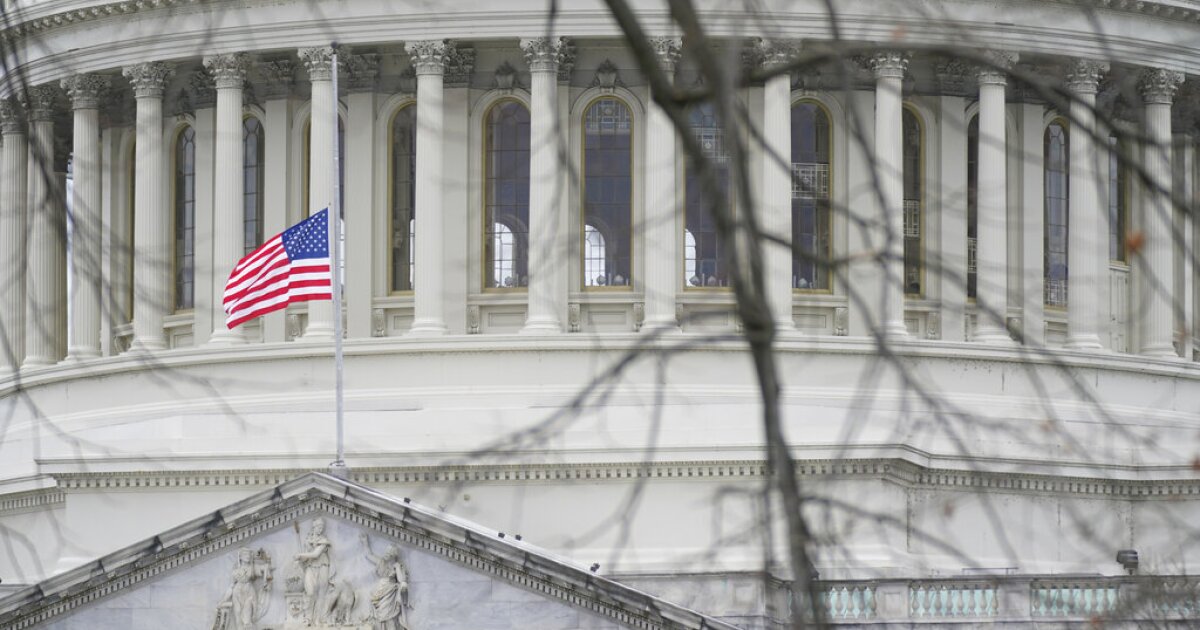
The U.S. House of Representatives has passed a series of funding measures totaling $1.2 trillion, aimed at ensuring the government remains operational for the remainder of the fiscal year. This decision comes in the wake of a prolonged government shutdown that occurred in late 2025. The funding measures received bipartisan support, with a final vote tally of 341-88 for most bills, reflecting a collaborative effort to address key federal priorities.
Funding Allocations and Controversies
Among the bills passed, significant allocations were made to the Department of Defense, Department of Education, Department of Transportation, and Department of Health and Human Services. However, a fourth bill concerning the Department of Homeland Security faced considerable opposition from Democratic lawmakers, ultimately passing by a narrower margin of 220-207.
Democratic leaders voiced strong criticism regarding the funding priorities for the Department of Homeland Security. They argued that the current approach to deportation policies disproportionately affects American citizens. In a joint statement, they expressed, “Taxpayer dollars are being misused to brutalize U.S. citizens, including the tragic killing of Renee Nicole Good. This extremism must end.”
Despite the pushback, the Homeland Security bill incorporates several Democratic objectives. Notably, it maintains funding for U.S. Immigration and Customs Enforcement (ICE) at 2025 levels and introduces $20 million for body cameras for both ICE and Customs and Border Patrol officers. Additionally, the bill mandates de-escalation training for these officers and allows Congress oversight on the allocation of funds from the One Big Beautiful Bill Act.
Impending Senate Review and Deadline
The focus now shifts to the Senate, which must act on these funding bills by January 30, 2026, to prevent another government shutdown. The urgency of the situation heightens given the political tensions surrounding the various allocations and the potential impact on federal operations.
As lawmakers prepare for debate in the Senate, the implications of these funding decisions will be closely monitored, both for their immediate effect on government operations and for their longer-term political ramifications.