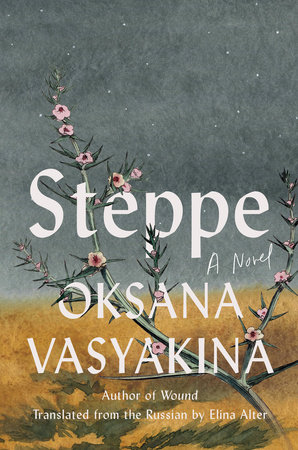
In the heart of the Russian steppe, a truck driver navigates the vast and often unforgiving landscape, balancing the challenges of his profession with the stark beauty of his surroundings. The life of an independent hauler, as depicted in Oksana Vasyakina‘s evocative work, reveals a world filled with both monotony and unexpected moments of reflection.
The Steppe’s Allure
The steppe, a sprawling expanse of yellow grasses and rolling hills, captivates those who traverse it. Described as resembling “a sinewy piece of yellow meat,” the terrain is not a barren desert but rather a living ecosystem filled with gray and blue grasses, chirping insects, and the occasional darting snake. This environment is both beautiful and treacherous, as highlighted by the experiences of one truck driver making a routine delivery.
Recalling a morning drive to Volgograd, the driver remembers the blinding pink light flooding the steppe, a stark contrast to the weariness that had begun to envelop him after a long night on the road. It was during this haze that an unforeseen accident occurred. A speeding vehicle collided with his truck, resulting in the tragic deaths of two police officers. The incident, while devastating, was deemed an accident, leaving the driver feeling a sense of twisted justice rather than guilt.
The Harsh Realities of Transporting Cargo
Life on the road is not without its challenges. Whether transporting steel pipes or livestock, each journey presents its own set of difficulties. The driver prefers transporting pipes, stating that they do not spoil like the chickens that often perish in the heat, leaving behind a mess of decay. The simplicity of hauling pipes allows for a more straightforward approach to trucking, with less worry about the condition of the cargo.
Once, while waiting for a load of pipes near Kapustin Yar, the driver and his son found themselves living in their truck for several days. The time spent waiting became an exploration of patience and the vastness of the steppe. They cooked simple meals and shared moments of reflection, emphasizing the importance of savoring life’s small pleasures amidst the monotony.
The steppe is more than just a backdrop; it is a character in its own right. It offers both a sense of freedom and a reminder of the isolation that comes with it. The driver often finds solace in the wide-open space, where the vastness can feel both comforting and overwhelming. He appreciates the steppe for its ability to reveal dangers from afar, and its charm lies in its untamed nature.
Embracing the Uncertainty
As a private contractor, the driver navigates a system rife with uncertainty. Recent reforms threaten to impose fees and surveillance on truckers, complicating the already challenging dynamics of the industry. Despite these changes, he remains resolute in his approach. He expresses frustration over the system and the perception that roads should be maintained through additional taxes, arguing that roads exist for the purpose of driving.
His attachment to the steppe and his truck is palpable. The truck, referred to affectionately as “Brother,” serves as both a means of livelihood and a symbol of his independence. He navigates the roads with a sense of ownership, even as he borrows the vehicle and relies on others for maintenance.
In one poignant moment, he recalls the beauty of spring in the steppe, where the blooming flowers bring a bittersweet sense of freedom tinged with solitude. However, this freedom can be fleeting, as illustrated by the moment when the steppe seemingly stole his hard-earned wages, whisking away bills left unattended in his truck.
The life of a truck driver in the steppe is marked by resilience, a deep connection to the land, and an acceptance of the uncertainties that come with the job. Vasyakina’s narrative captures the essence of this struggle, illustrating how the vastness of the steppe can both inspire and confine those who traverse its expanse.