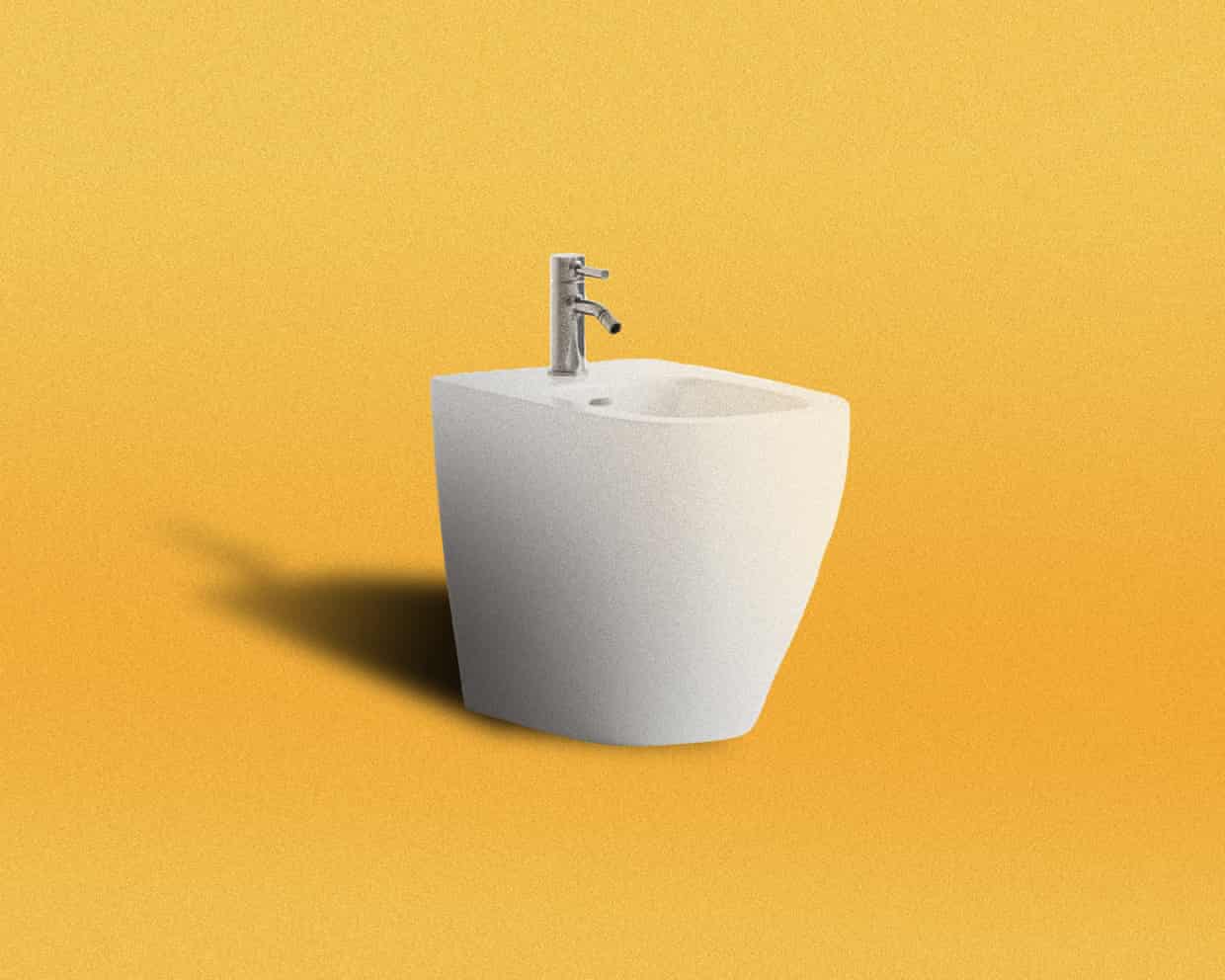
In a notable shift towards modernizing bathroom habits in the United States, New York City Mayor Zohran Mamdani and his wife, Rama Duwaji, are set to install bidets in their official residence, Gracie Mansion. This initiative may pave the way for wider acceptance of bidets, a common bathroom fixture in many parts of the world, including Europe, the Middle East, and Asia.
The bidet, often referred to as a bum gun or shattaf, is designed for washing after using the toilet. This cultural staple has long been a part of daily life in Egypt, where it is standard to have a fixture for personal hygiene in every home. In an interesting cultural exchange, the term “bidet” derives from a French word meaning “small horse,” reflecting the way users straddle the device.
Changing Perspectives on Hygiene
The conversation surrounding bidets in the U.S. gained traction following a humorous scene from the off-Broadway play Threesome in 2015, where an Egyptian-American couple bluntly instructed their guest to wash himself after using the bathroom. Playwright Yussef El Guindi, also of Egyptian descent, highlighted a cultural norm that contrasts sharply with American bathroom practices.
During her visit to California, Eltahawy noted that every toilet in her sister’s home was equipped with a shattaf, purchased online. She expressed her enthusiasm for Mamdani and Duwaji’s commitment to making bidets “cool.” As the youngest mayor of New York City since 1892 and its first Muslim and South Asian mayor, Mamdani represents a shift in leadership that embraces diverse cultural practices.
As the couple navigates their new roles, they face scrutiny from both supporters and critics. For instance, White House Press Secretary Karoline Leavitt has labeled Mamdani a communist, indicating the polarized views surrounding his progressive initiatives. Despite potential backlash, Eltahawy advocates for the normalization of bidets, emphasizing their hygienic benefits.
A Global Perspective on Personal Hygiene
Eltahawy reminisced about her family’s transition from Cairo to London in 1975, where they encountered a shocking lack of bidets or shattafs. This absence left them searching for alternatives, such as using a watering can. The discomfort of not being able to wash after using the toilet was a significant culture shock for them.
Later, while living in Saudi Arabia, Eltahawy found relief in bathrooms equipped with bidets. The 2020 COVID-19 pandemic highlighted the importance of hygiene, leading to increased bidet sales, but the U.S. still largely remains resistant to adopting this practice.
As Mamdani and Duwaji prepare to introduce bidets into their home, Eltahawy urges others to follow suit. She insists that adopting this practice is not merely a matter of comfort but a significant step towards improved hygiene. “Wash your ass! Install that bidet, bum gun, or shattaf. You’ll thank me later,” she encourages. With their high-profile endorsement, the hope is that more Americans will embrace this change, ultimately redefining bathroom norms across the country.