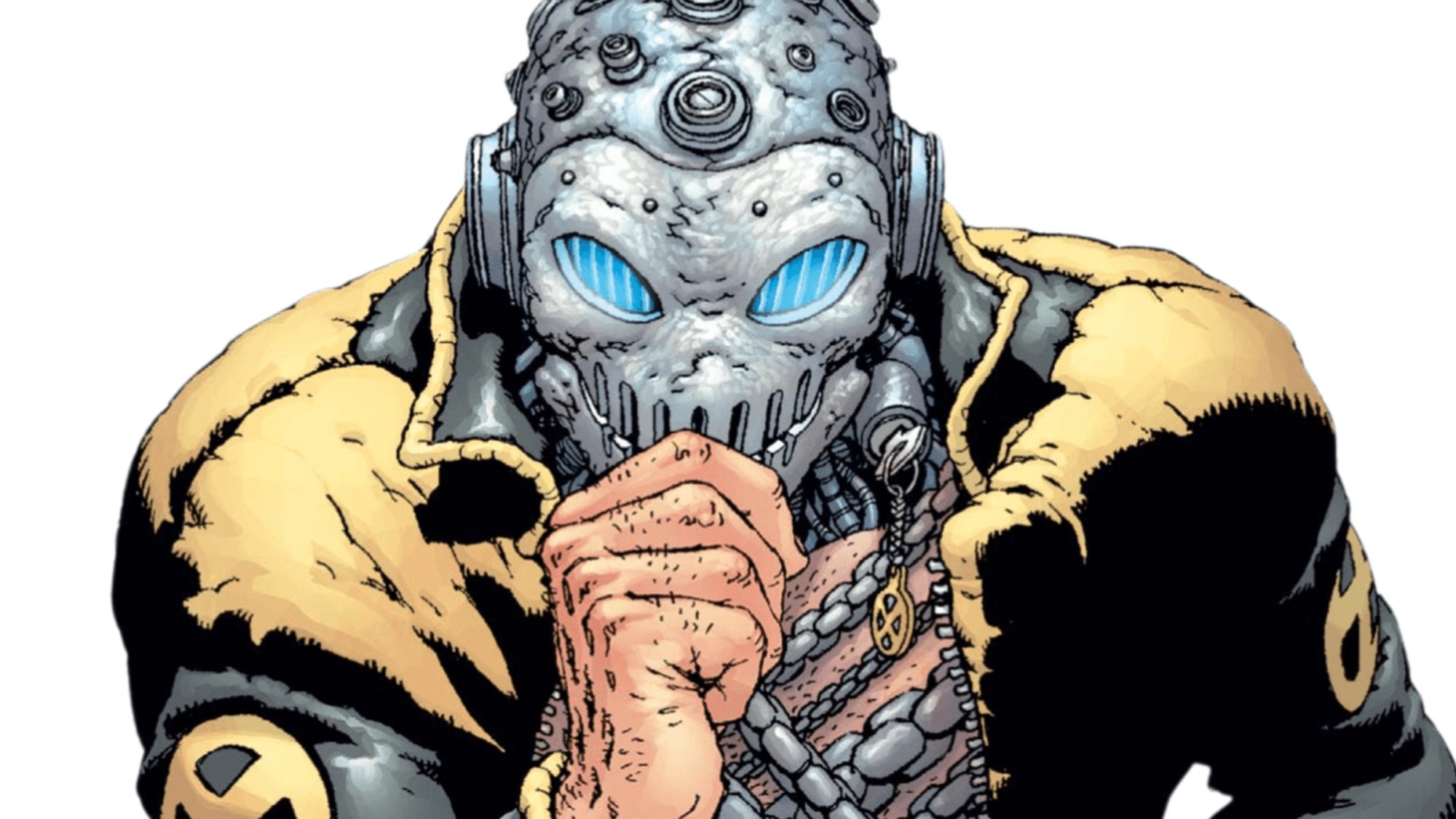
Magneto, one of the most pivotal characters in the X-Men universe, has long been at the center of intense discussions among fans. His complex relationship with Charles Xavier, who envisions peaceful coexistence, contrasts sharply with Magneto’s more cynical view of humanity. This dichotomy has made Magneto a compelling figure, especially following the revelation of his Holocaust backstory. Recently, discussions surrounding the storyline “Planet X” from Grant Morrison’s *New X-Men* run have reignited debates about the character’s portrayal and the implications of his actions.
In this particular narrative, Magneto is revealed to have been operating undercover as Xorn, ultimately leading to a catastrophic attempt to eradicate humanity in Manhattan. Although it was later disclosed that Xorn was a separate character disguised as Magneto, many fans have criticized this storyline for its portrayal of Magneto committing an act reminiscent of the Holocaust. They argue that such a depiction is inconsistent with the character’s history and motivations. Yet, it appears that some fans have overlooked the deeper themes Morrison intended to explore throughout his run.
Understanding Morrison’s Vision of Hate and Love
Grant Morrison’s *New X-Men* is notable for its exploration of complex themes beyond traditional superhero narratives. It delves into love, hate, and the consequences of both. Throughout the 40-issue series, the character of Magneto embodies “righteous hatred,” stemming from his traumatic past. While his fears about humanity’s cruelty are valid, his response—seeking to dominate rather than coexist—reveals a tragic flaw.
Morrison has crafted a story where Magneto’s journey is laden with layers of meaning. While his belief in the inherent violence of humanity is rooted in his experiences as Max Eisenhardt, a Holocaust survivor, his actions lead him down a path of destruction, mirroring the very oppression he despises. This thematic complexity challenges the simplistic view of Magneto as merely a villain. Instead, it invites readers to consider how unchecked hatred can corrupt even the most righteous intentions.
The Evolution of Magneto and Fan Reception
Over the decades, Magneto’s character has evolved significantly, creating a rich tapestry of motivations and moral conflicts. Yet, the contemporary interpretation of Magneto as a symbolic protector for marginalized communities often overlooks his darker aspects, such as his mutant supremacist beliefs. While many fans resonate with the idea of a powerful figure standing up for the oppressed, they frequently disregard the implications of Magneto’s inherent racism toward humanity.
Morrison’s narrative serves as a cautionary tale about the consequences of allowing hate to dictate actions. The storyline in “Planet X” is a poignant reminder that hatred can distort one’s identity and lead to destructive outcomes. The backlash against this portrayal suggests a misunderstanding of Morrison’s message; it emphasizes the dangers of allowing prejudice to overshadow empathy and compassion.
In an era where popular culture often grapples with themes of representation and justice, Magneto remains a symbol of both empowerment and caution. His character embodies the complexities of human emotion and social dynamics, compelling readers to reflect on the nuances of identity and morality.
Ultimately, the discourse surrounding Magneto illustrates a broader conversation about how we interpret narratives and characters within the superhero genre. As fans continue to engage with these themes, it becomes increasingly important to appreciate the multifaceted nature of characters like Magneto, acknowledging both their strengths and their flaws.
As we move forward, it is essential for fans and scholars alike to engage with the deeper meanings behind these stories, recognizing that the battle between love and hate is not just a backdrop but a central theme that continues to resonate in our world today.