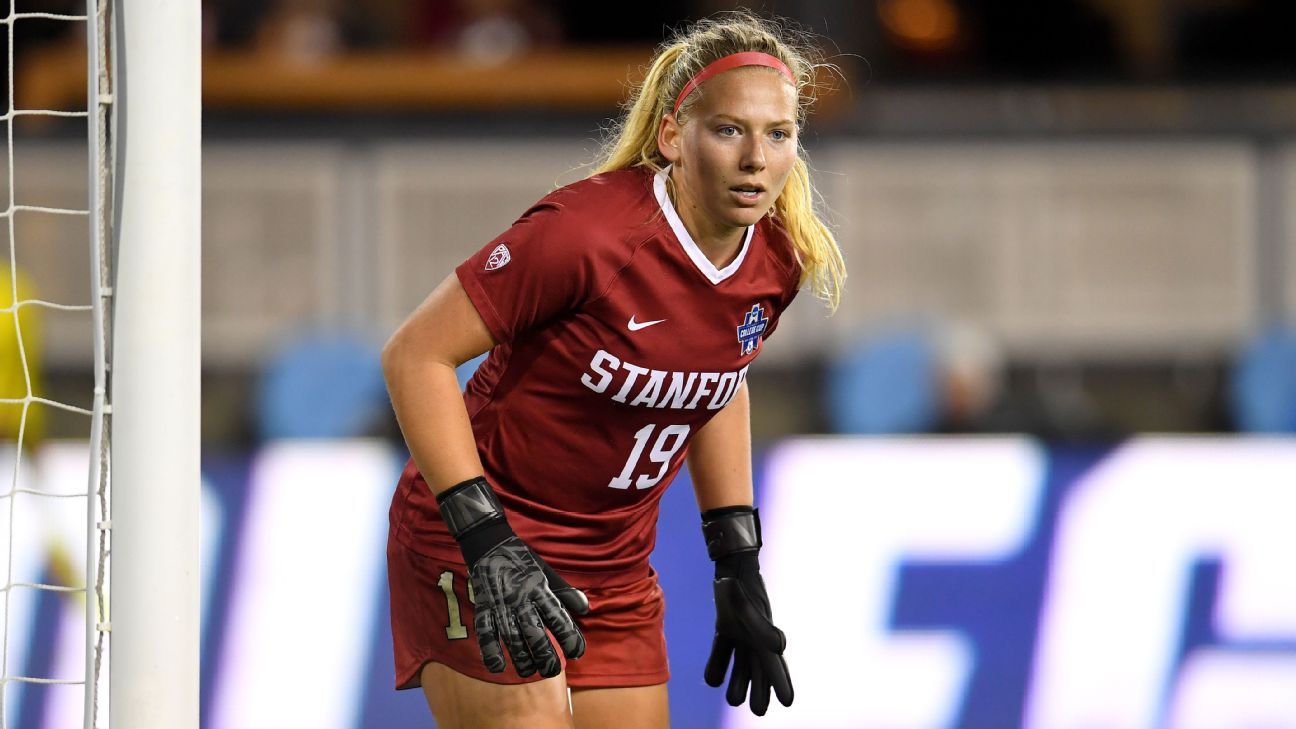
The family of Katie Meyer, a former standout soccer goalkeeper at Stanford University, has reached a settlement in a wrongful death lawsuit against the university. The announcement was made on Monday, following a legal battle that began after Meyer’s tragic suicide in March 2022. She was just 21 years old at the time and was facing disciplinary action connected to an incident involving a Stanford football player accused of sexual assault.
At the heart of the lawsuit, filed in November 2022, was the claim that Stanford acted “negligently and recklessly” by sending Meyer a formal disciplinary notice on the night of her death. The notice reportedly included threatening language regarding potential sanctions, including her “removal from the university.” The university disputed this assertion, maintaining that it was not responsible for her death.
In a joint statement released on Monday, both the university and Meyer’s family outlined several initiatives as part of the settlement. One significant outcome is the establishment of the Katie Meyer Leadership Award, which will be awarded annually to an exceptional Stanford student-athlete. Additionally, the university announced the retirement of Meyer’s jersey to honor her impact on Stanford women’s soccer.
New Policies and Initiatives for Student-Athletes
The settlement also includes Stanford’s commitment to adopt the principles of Katie Meyer’s Law, which was enacted by the California Legislature and signed into law by Governor Gavin Newsom in 2024. This legislation mandates that public colleges and universities in California provide a designated adviser to assist students during disciplinary proceedings. The aim is to ensure that students have support throughout the often stressful disciplinary process.
Furthermore, Stanford and the Meyer family plan to collaborate on an initiative focused on enhancing the mental health and well-being of student-athletes. This effort seeks to address the pressures faced by young athletes at the university level, particularly in light of the circumstances surrounding Meyer’s death.
Meyer’s story garnered national attention, culminating in an ESPN documentary titled “Save: The Katie Meyer Story,” which aired last year. The documentary highlighted her life, achievements, and the challenges she faced as a student-athlete, resonating with many viewers and sparking discussions about mental health in sports.
The settlement reflects a broader movement towards improving mental health resources and support systems within collegiate athletics, aiming to prevent tragedies like Meyer’s in the future.