Recent research suggests that a significant breakthrough in materials science might have roots in the work of famed inventor Thomas Edison. While developing the incandescent light bulb in 1879, Edison may have inadvertently created a precursor to graphene, a substance now recognized for its remarkable properties and potential applications in technology.
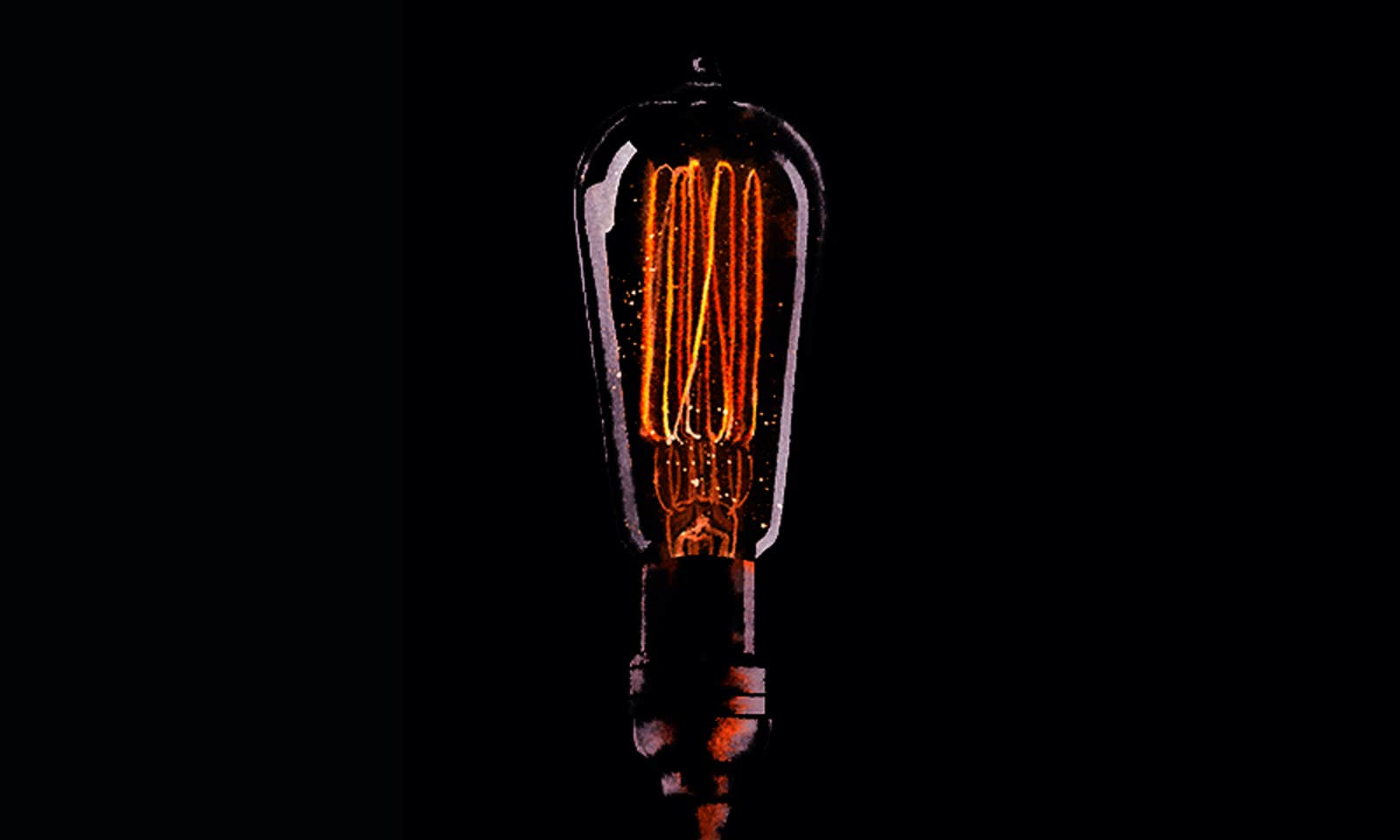
Edison is best known for his invention of the practical electric incandescent lamp, which transformed how people illuminated their homes. His innovation involved a filament made from carbonized plant materials, as he was unable to manufacture tungsten filaments at the time. After extensive experimentation with various organic substances—including palmetto and hemp—Edison found that a filament made from Japanese bamboo could last over 1,200 hours.
In his own words, Edison stated, “Before I got through, I tested no fewer than 6,000 vegetable growths, and ransacked the world for the most suitable filament material.”
Discovering the Connection to Graphene
Fast forward to modern times, graphene has emerged as a crucial material due to its strength, flexibility, and potential uses in technologies like MRI machines and computer chips. Researchers are particularly interested in harnessing graphene for advanced applications, such as quick-charging fuel cells for electric vehicles and drug delivery systems.
The journey to link Edison’s work to graphene began with Lucas Eddy, a nanomaterials researcher at Rice University. While studying ways to create graphene from accessible materials, Eddy recalled that early light bulbs often contained carbon-based filaments. He realized that the temperatures generated by Edison’s bulbs were ideal for producing graphene.
After searching for light bulbs that matched Edison’s specifications, Eddy found carbon filament bulbs at a small art store in New York City. These bulbs used the same Japanese bamboo filaments Edison had experimented with. By attaching the bulb to a 110-volt direct current source and allowing it to heat for a precise 20 seconds, Eddy and his team could avoid producing graphite, a denser form of carbon.
Using lasers to analyze the filament, they confirmed the creation of graphene. Their findings were published in the journal ACS Nano, marking a significant achievement in both historical and contemporary materials science.
Historical Significance and Future Implications
While it is unclear whether Edison knew his experiments produced graphene, researchers did not theorize its existence until 1947. The first successful extraction of graphene from graphite occurred in 2004, a feat that earned Andre Geim and Konstantin Novoselov the Nobel Prize in Physics in 2010.
The recent discovery raises intriguing questions about the potential insights that could be gleaned from revisiting historic experiments through modern scientific lenses. “To reproduce what Thomas Edison did, with the tools and knowledge we have now, is very exciting,” said James Tour, a co-author of the study and a synthetic chemist at Rice University. “What questions would our scientific forefathers ask if they could join us in the lab today? What questions can we answer when we revisit their work through a modern lens?”
As research continues, the exploration of materials like graphene could lead to revolutionary advancements in technology, driven by a legacy that began over a century ago with Edison’s pioneering efforts. The intersection of history and modern science illustrates how past innovations can inform and inspire future discoveries.