A tragic incident in Minneapolis has intensified public scrutiny of U.S. immigration enforcement practices. On January 7, 2024, Alex Pretti, a 37-year-old American citizen, was shot and killed by Border Patrol agents while being held on the ground. Reports indicate that Pretti posed no threat to the agents at the time of the shooting. This incident follows the discovery of ace of spades cards left by Immigration and Customs Enforcement (ICE) agents in Eagle County, Colorado, inside vehicles of detained Latino immigrants. The cards, which carried the address of a detention facility, have historical connotations linked to violence.
The ace of spades has a troubling legacy, used during the Vietnam War as a symbol left by American soldiers on the bodies of deceased Viet Cong soldiers. The Department of Homeland Security condemned the actions of the ICE agents, labeling them unauthorized and promising an investigation. A spokesperson emphasized that under the leadership of President Donald Trump and Secretary Kristi Noem, ICE is expected to adhere to the highest professional standards.
Escalating Violence and Public Response
The incident involving Pretti is emblematic of a broader crisis affecting communities across the United States. As the Trump administration’s immigration policies have intensified, incidents of excessive force have drawn significant public outrage. Pretti was remembered by family and friends as a compassionate nurse who dedicated his life to helping veterans. His death has sparked discussions about the militarization of federal agencies and the treatment of immigrants and citizens alike.
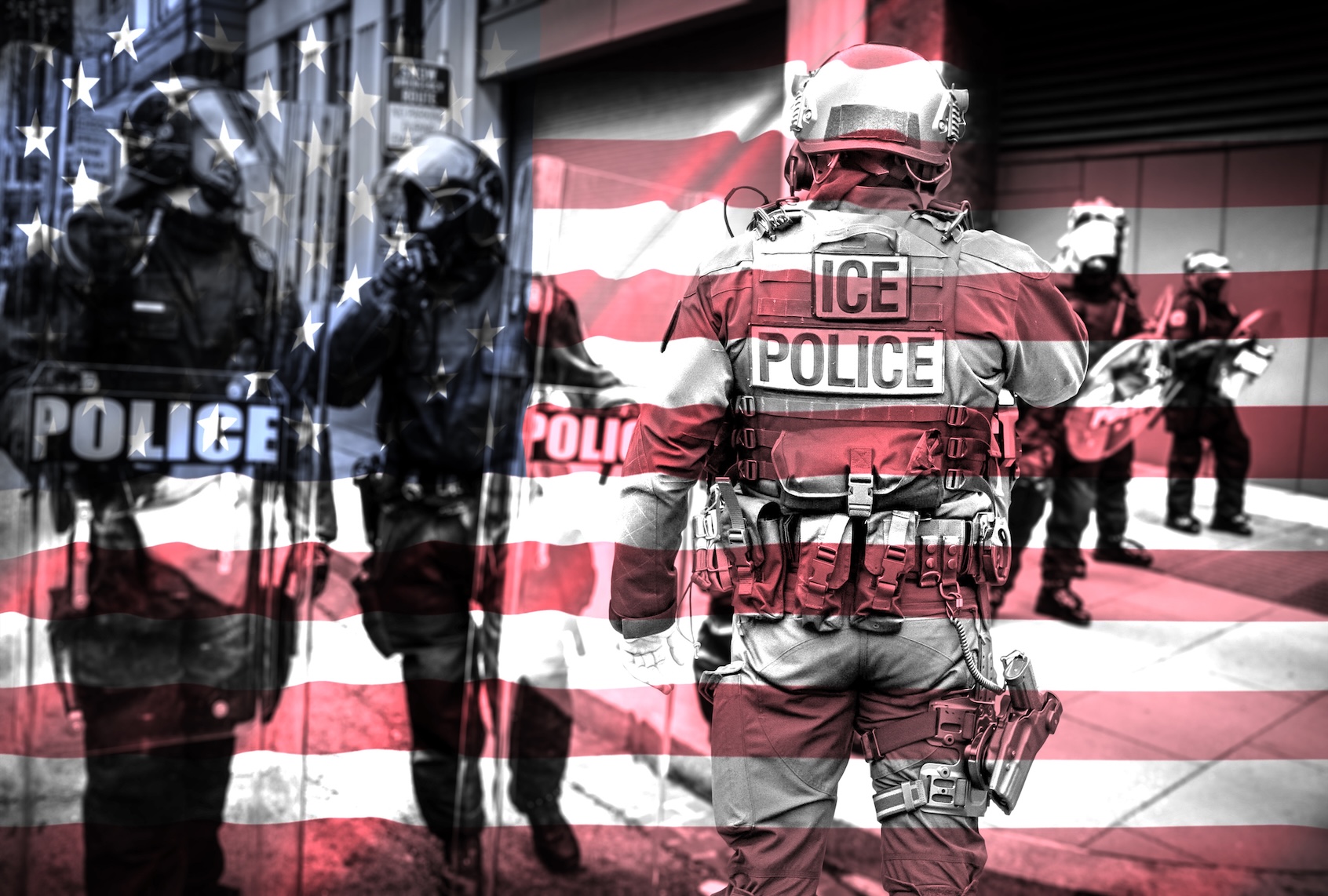
Critics argue that federal enforcement agencies have increasingly adopted a paramilitary approach, viewing undocumented immigrants and American citizens who oppose the administration as adversaries. This “us versus them” mentality has led to a culture where violence is normalized. Following the tragedy, video footage emerged showing an ICE agent clapping after Pretti was shot, further fueling public anger.
In response to growing criticism, Trump administration officials attempted to shift blame onto Pretti himself, labeling him a “domestic terrorist.” This narrative has been widely contested, with video evidence contradicting the administration’s claims. The public outcry surrounding Pretti’s death has included voices from across the political spectrum, including prominent Republicans.
Political Fallout and Broader Implications
As calls for accountability grow louder, former Presidents Barack Obama, Bill Clinton, and Joe Biden have publicly condemned the violence. Obama described Pretti’s killing as a “heartbreaking tragedy” and a wake-up call to all Americans regarding the erosion of core national values. Biden emphasized that violence against citizens, particularly when perpetrated by government agencies, is unacceptable.
Polls indicate that support for Trump’s immigration policies has fallen below 50%, reflecting a shift in public sentiment. In the wake of these events, Border Patrol “commander at large” Gregory Bovino has been demoted and reassigned, signaling potential changes in leadership within the agency. Nonetheless, experts caution that merely replacing personnel will not address the systemic issues that led to these incidents.
Public discourse has increasingly focused on the concept of “vice signaling,” whereby those in power exhibit behaviors that violate moral standards to appeal to their base. This phenomenon is seen as a troubling trend in contemporary governance, where the actions of leaders like Trump set a precedent for violence and disregard for ethical norms.
As the situation in Minneapolis continues to unfold, it raises critical questions about the future of democracy and the moral fabric of American society. The struggle against the normalization of violence in the guise of immigration enforcement is one that pro-democracy advocates must actively engage in. The ramifications of these events will likely resonate for years to come, challenging citizens to reconsider their values and the kind of society they wish to cultivate.
The tragic events serve as a stark reminder of the urgent need for reform within federal enforcement agencies and the importance of holding those in power accountable for their actions.