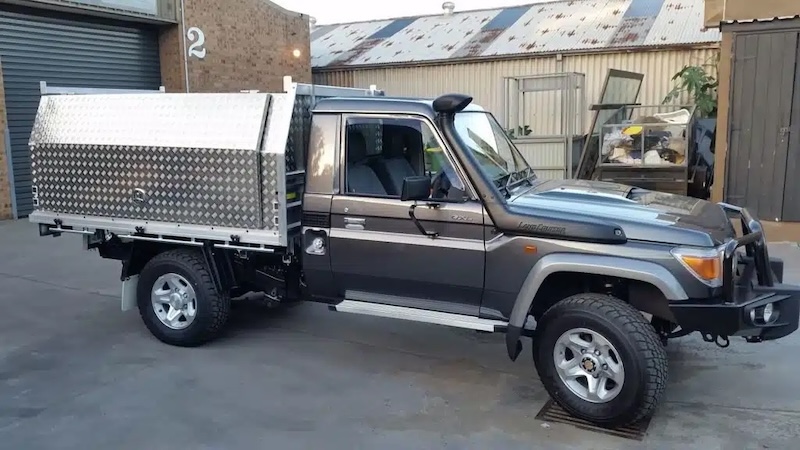
Food truck operators are increasingly turning to stainless steel for their vehicle fitouts, recognizing its unique combination of hygiene, durability, and aesthetic appeal. This material effectively addresses the demanding requirements of the food industry, where safety and cleanliness are paramount.
Hygiene and Safety in Food Trucks
In the food service sector, maintaining high hygiene standards is essential. According to the World Health Organization, foodborne illnesses affect millions globally each year, highlighting the need for environments that minimize contamination risks. Stainless steel is non-porous, making it resistant to bacteria and easy to clean. This characteristic is particularly crucial for food trucks, which often operate in varied locations and must adhere to strict health regulations.
The use of stainless steel can significantly reduce the likelihood of foodborne illness. Its smooth surface allows for efficient cleaning, which is vital for compliance with local health codes. As food truck operators face increased scrutiny from health inspectors, choosing materials that uphold hygiene standards is a critical consideration.
Durability Meets Aesthetic Appeal
Beyond hygiene, stainless steel offers remarkable durability. Food trucks endure constant movement, exposure to various weather conditions, and high levels of wear and tear. The strength of stainless steel ensures that the fitouts remain intact over time, reducing the need for frequent repairs or replacements. This longevity can lead to cost savings for operators, making it a financially sound investment.
Aesthetic considerations also play a significant role in the appeal of food trucks. The sleek, modern look of stainless steel can enhance a food truck’s exterior and interior design, attracting customers. With the food truck industry booming, particularly in urban areas across Australia and the United States, standing out visually is essential for success.
Operators can customize the appearance of their stainless steel fitouts through finishes and textures, allowing for distinctive branding that resonates with consumers. This flexibility enables food truck owners to create an inviting atmosphere while still prioritizing functionality.
In conclusion, as the food truck market continues to grow, the choice of materials is crucial. Stainless steel emerges as a preferred option due to its hygiene, durability, and aesthetic versatility. By investing in stainless steel fitouts, food truck operators can ensure they meet health standards while also appealing to their customer base, setting the stage for a successful culinary venture.