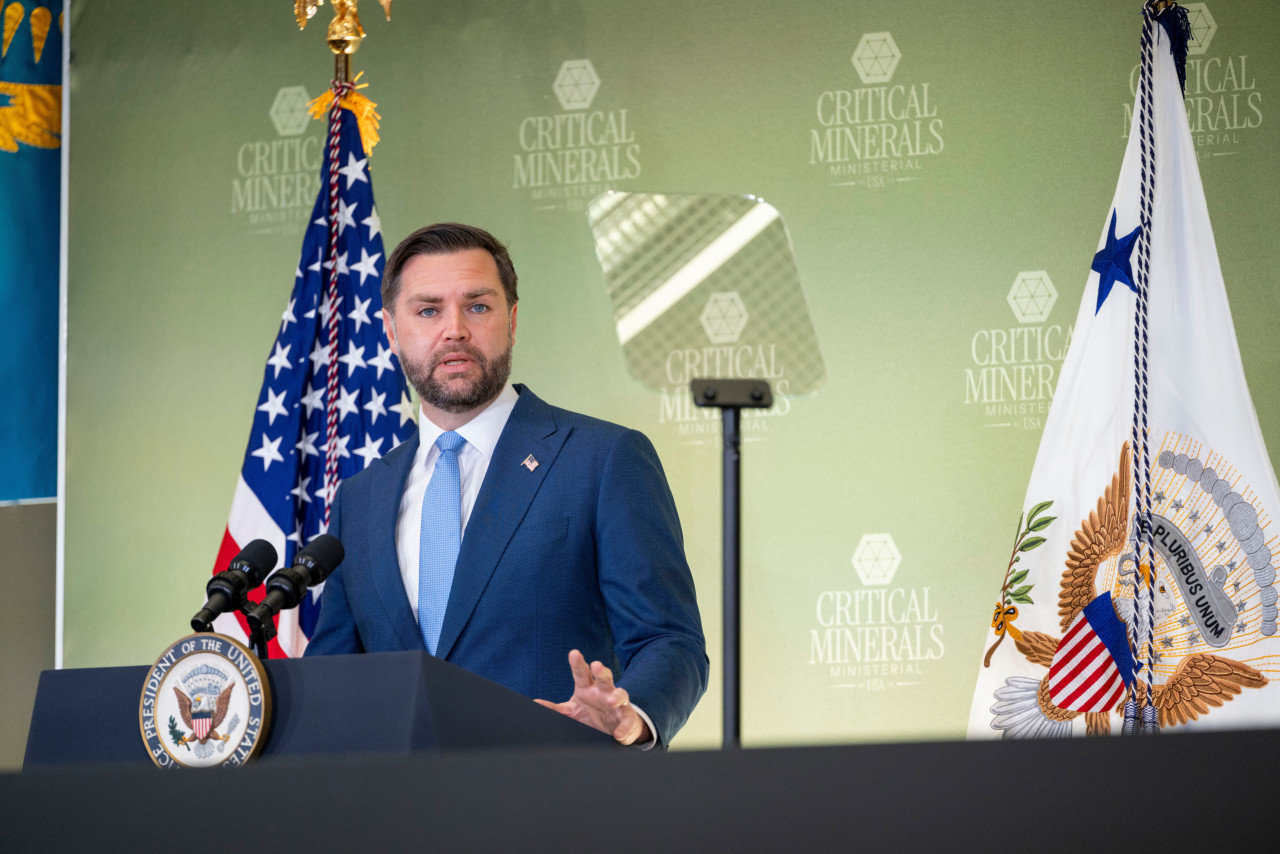
The United States has initiated partnerships with Mexico, the European Union, and Japan in a strategic move to challenge China’s dominance in the global minerals sector. This coalition aims to establish a “preferential trade zone” that would enhance cooperation in sourcing critical minerals essential for various industries, including technology and renewable energy.
This development follows growing concerns regarding China’s control over the supply chain for numerous critical minerals. According to the U.S. Department of Commerce, China currently dominates the global market for elements such as lithium, cobalt, and rare earth metals, which are vital for electronic devices, electric vehicles, and other high-tech applications.
Strengthening Economic Ties
The newly formed alliances are designed to bolster economic ties among the participating nations and reduce their reliance on Chinese supplies. With China accounting for over 60% of the world’s refined lithium production, the U.S. and its partners are keen to diversify sourcing options and strengthen their own mineral supply chains.
Officials from both the United States and Mexico have expressed optimism about the potential benefits of this collaboration. Gina Raimondo, U.S. Secretary of Commerce, stated, “By working together, we can create a more secure and resilient supply chain that benefits all our economies.” This sentiment was echoed by Mexican President Andrés Manuel López Obrador, who emphasized the importance of regional cooperation in this critical sector.
The European Union is also a key player in this initiative. The bloc has been actively seeking ways to enhance its strategic autonomy in the minerals market. Ursula von der Leyen, President of the European Commission, highlighted the importance of this partnership in reducing vulnerabilities within the EU’s supply chains, particularly in light of recent geopolitical tensions.
Impact on Global Markets
The formation of this preferential trade zone may significantly impact global mineral markets. By creating a unified front, the U.S., Mexico, the EU, and Japan could potentially shift supply dynamics and alter pricing structures. Analysts anticipate that a coordinated approach could lead to increased investments in mineral extraction and processing within these regions.
Furthermore, this alliance aims to promote sustainable mining practices, aligning with broader environmental goals. The participating nations are expected to collaborate on developing standards that ensure responsible sourcing and environmental protection. This focus on sustainability is particularly relevant as industries increasingly prioritize ethical practices in their supply chains.
In conclusion, the United States’ strategic partnerships with Mexico, the European Union, and Japan mark a significant step towards countering China’s influence in the minerals sector. By establishing a preferential trade zone, these nations are not only working to secure their own mineral supply chains but also fostering regional cooperation that may redefine the global landscape for critical minerals. As this initiative unfolds, its implications for economic security and sustainability will be closely monitored.