Readers are expressing strong opinions on a variety of pressing issues, including the structure of school holidays, the handling of political violence, and the legacy of NFL coach Bill Belichick. This outpouring of perspectives highlights the diverse concerns of the public regarding education and current events.
Rethinking School Holidays and Historical Observances
In a recent op-ed, Professor David Bloomfield raised important questions about how schools manage mandated instructional days amid winter weather disruptions. He argues that students often lack an understanding of the significance of holidays, suggesting that the current approach to school closures during winter storms may dilute the educational value of these days off.
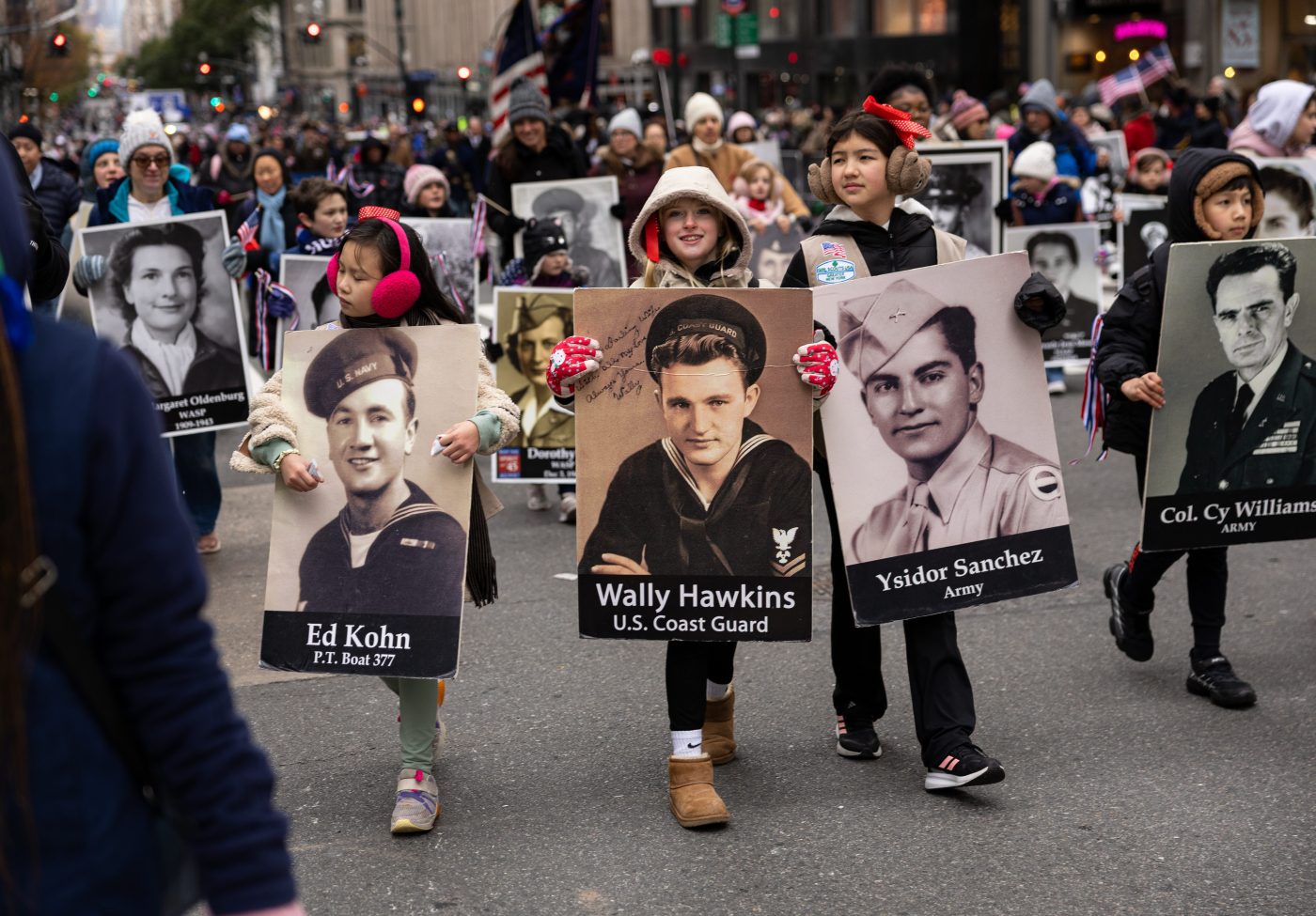
A retired educator, Paula Magdalena Vidal commented on this issue, stating that designating holidays such as Veterans Day and Memorial Day merely as opportunities for sales undermines their meaning. She emphasizes the need for students to comprehend the historical context of these holidays and suggests that schools should consider starting earlier in the year to accommodate them. The recent establishment of Juneteenth as a holiday further complicates the calendar, as it falls at a challenging time in the academic schedule.
Vidal believes that while observance of religious holidays holds importance, students should not be penalized for taking days off for these occasions. Instead, providing excused absences could foster a more inclusive understanding of diverse traditions and histories.
Political Violence and Public Perception
Public discourse has also turned to the handling of political violence, with readers voicing strong reactions to a viral video showing a Border Patrol agent using excessive force. Mark Jessee criticized the actions of the agent, noting the presence of six other officers and questioning the implications of such behavior. Comments regarding the political climate under previous administrations have sparked heated debates, with some readers attributing increased violence to current policies and leadership.
In a related discussion, Charles T. Compton offered insights on Minnesota’s “duty to retreat” law, suggesting that individuals intervening in conflicts may assume self-defense rights. The complexities surrounding self-defense and intervention in heated situations remain contentious topics, illustrating the challenges citizens face in understanding legal frameworks.
Another reader, Ene Kelly, condemned the current administration’s approach to immigration, drawing parallels with historical injustices faced by Japanese-Americans during World War II. This perspective underscores a growing concern about the treatment of immigrants and the consequences of governmental policies.
Belichick’s Legacy and Public Broadcasting
The conversation also touched on the legacy of Bill Belichick, who has been both praised and scrutinized for his coaching career in the NFL. One reader argued that personal feelings should not cloud judgment when voting on Hall of Fame candidates. Belichick’s six Super Bowl victories and 333 career wins are noteworthy achievements that some believe should overshadow past controversies, including allegations of rule infractions.
In a different context, the dissolution of the Corporation for Public Broadcasting was identified as a significant issue affecting local media outlets. As one reader pointed out, the loss of federal funding has left many stations struggling to maintain operations. This situation highlights the essential role of public media in providing local information and the potential long-term consequences of funding cuts.
As these discussions unfold, it is clear that public sentiment is deeply engaged with the complexities of education, political issues, and the legacies of influential figures. The perspectives shared by readers reflect a society grappling with change, seeking to understand the implications of current events on future generations.