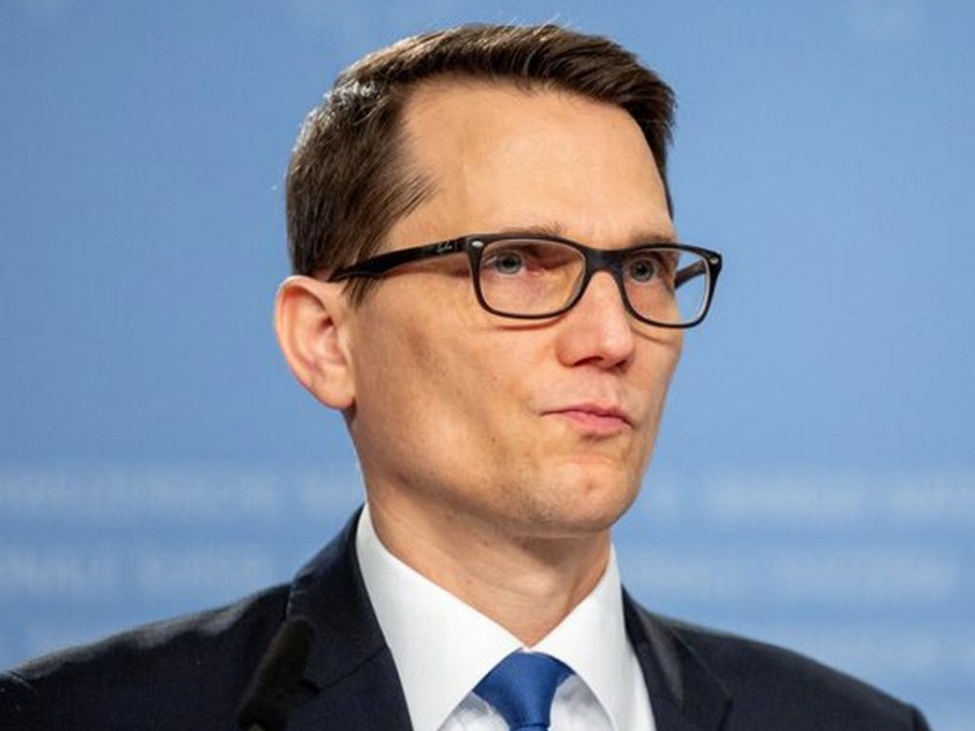
UPDATE: In a striking address at the World Economic Forum in Davos, Canadian Prime Minister Mark Carney has warned that trade alone is insufficient to mend the growing rifts in global geopolitics. As nations grapple with an increasingly chaotic international landscape, Carney describes a “rupture” in the rules-based multilateral order, underscoring the urgent need for a multifaceted approach to international relations.
Carney’s remarks come amid heightened tensions with an unpredictable American administration and a more assertive China. He advocates for middle powers, such as Canada, to pivot towards more diverse trading partnerships, like those recently established between the European Union and Mercosur as well as India. However, he cautions that relying solely on trade could lead to significant limitations in addressing the complex global challenges ahead.
The implications of Carney’s speech resonate deeply with nations worldwide. As geopolitical tensions escalate, maintaining stability and independence becomes paramount. The European Union’s recent commercial agreements reflect a strategic shift aimed at strengthening its economic resilience, but these moves may not be enough to counterbalance the influences of larger powers.
Carney emphasizes that political collaboration must accompany economic strategies to create a sustainable framework for regional integration. He calls for nations to invest in cooperative projects that transcend mere trade, fostering stronger political ties that ultimately enhance collective power in the face of global challenges.
The urgency of Carney’s message is amplified by the precarious state of existing regional cooperation frameworks, including the beleaguered Southern Common Market, which struggles with political cohesion despite recent trade agreements. Similarly, the credibility of the Association of Southeast Asian Nations (ASEAN) is under scrutiny as its foundational principles are tested by contemporary challenges.
Carney’s proposal is a clarion call for nations to embrace a broader vision of integration that emphasizes political alignment alongside economic partnerships. He argues that historical examples, such as the evolution of the European Economic Community into a formidable political entity, illustrate the potential for regional collaboration to yield significant benefits.
The need for nations to navigate these turbulent waters collectively is critical. As Carney asserts, ambitious political initiatives are essential for fostering a new form of regional cooperation that can effectively respond to the pressures exerted by dominant global powers like the USA, China, and Russia. The current geopolitical climate demands a shift from economic cooperation to a comprehensive political strategy aimed at achieving long-term stability.
As the world watches, the question remains: will nations heed Carney’s warning and pursue the necessary political frameworks to safeguard their futures? The path forward is fraught with challenges, but the stakes could not be higher for countries seeking to maintain independence in an increasingly interconnected world.
What happens next? Nations must respond swiftly to this urgent call for action, rethinking their diplomatic strategies and economic partnerships. The time for a robust and innovative approach to international relations is now, as the global landscape continues to shift dramatically.