UPDATE: The latest film adaptation of ‘Dracula’, directed by Luc Besson, has just hit theaters, bringing a fresh and controversial take on the iconic horror story. This new version, which premiered in Paris, pivots away from traditional terror, focusing instead on a heart-wrenching romance that reimagines the legendary vampire as a lovesick protagonist.
In this film, Vlad the Impaler is cast not as a horrifying monster but as a heartbroken lover seeking his lost soulmate, Elisabeta. Set in the mid-15th century, the story unfolds with a passionate romance that turns tragic when Elisabeta is killed by the Ottomans, prompting Vlad to renounce God and seek vengeance. This pivotal moment grants him immortality, setting him on a four-century quest to find her reincarnation.
Critics are noting how Besson’s adaptation diverges significantly from Bram Stoker‘s original work. Shifting the focus from horror to romance, the film introduces a perfume that enhances Vlad’s allure to women, a stark contrast to his traditional mind control powers. Critics argue that this change diminishes the stakes of the vampire lore, reducing the tension of his character to a mere romantic pursuit.
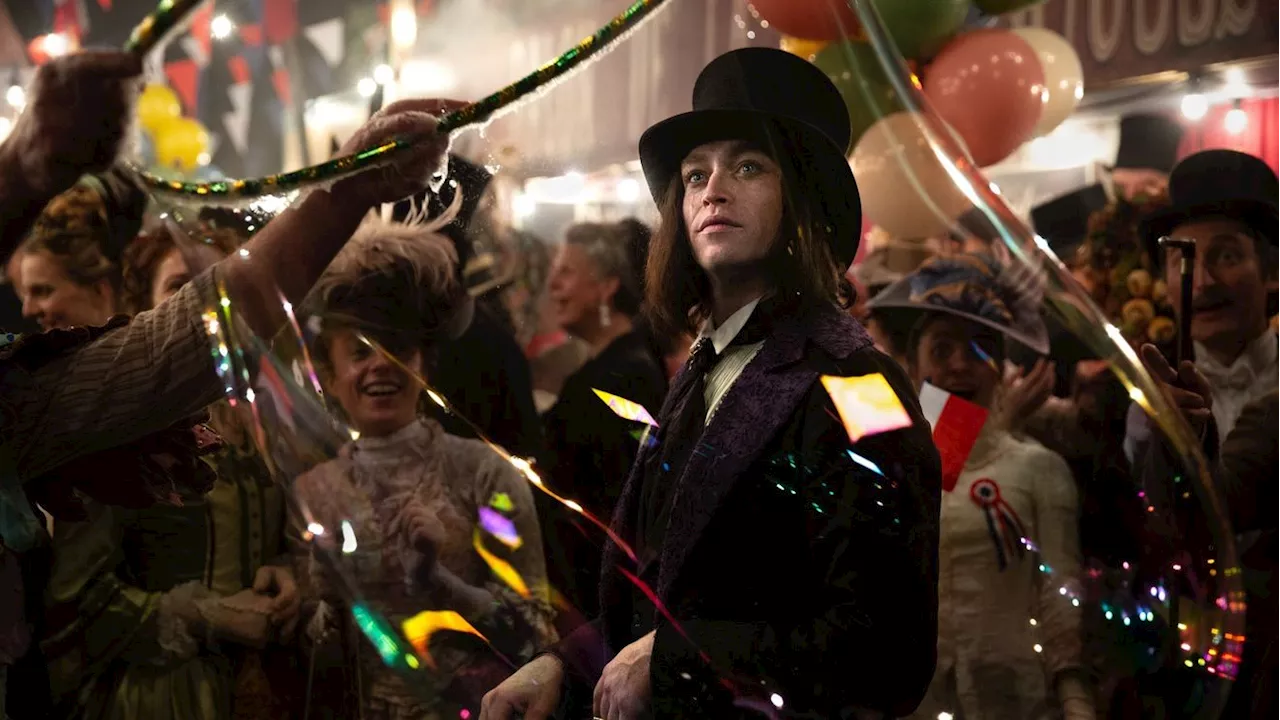
The film’s portrayal of Dracula has drawn comparisons to Gary Oldman‘s iconic performance, with Caleb Landry Jones stepping into the role. His transformation from a decrepit vampire to a charming suitor in a top hat is visually striking but has sparked debate over the film’s artistic choices.
Adding to the film’s intrigue is Christoph Waltz, who plays a Vatican priest, acting as both a vampire hunter and a pseudo-narrator. His character provides a historical backdrop, but the film’s emphasis on romance often overshadows the intended horror elements.
Despite its visual allure, some critics have highlighted flaws, including poor CGI effects that detract from key scenes. While Dracula presents a unique perspective on a classic tale, viewers may find themselves yearning for the darker elements traditionally associated with the vampire lore.
The film’s release has generated buzz, with audiences eager to see how it measures up against other adaptations. As the debate continues over its romantic angle versus the horror genre, fans are encouraged to watch and weigh in on this new interpretation.
The film is currently playing in theaters, and its reception will likely influence future adaptations of the Dracula mythos. Viewers are invited to share their thoughts and reactions online as the film’s unique approach continues to spark conversation.