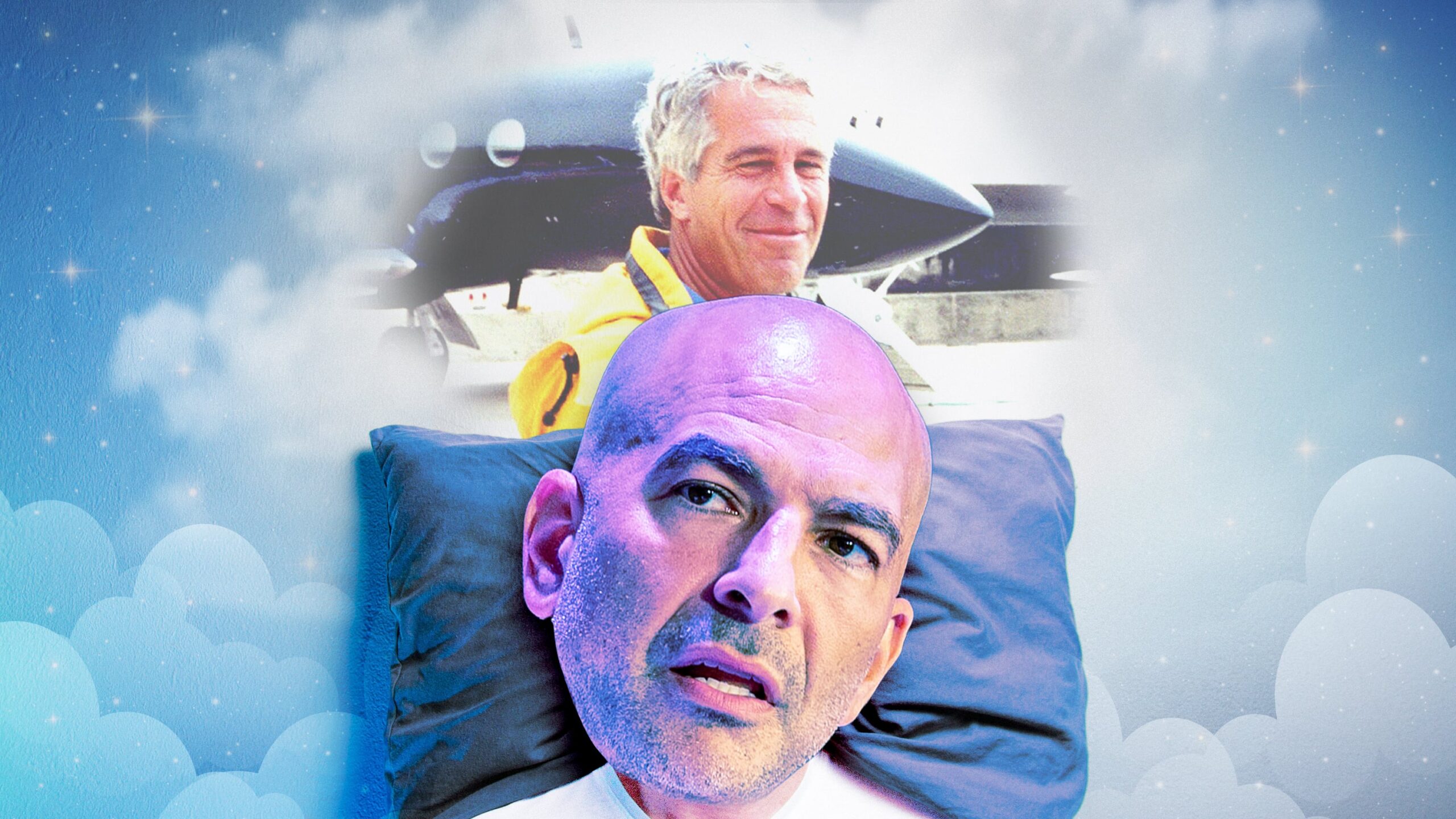
A new study led by Dr. Peter Attia and conducted by the scientific advisory board of Eight Sleep is exploring the relationship between public shaming and sleep quality. Initial findings suggest a significant connection between social scrutiny and disrupted sleep patterns. The research aims to understand how exposure to public criticism affects not only an individual’s conscience but also their overall brain health.
The study’s spokesperson highlighted the urgency of this research, stating, “In an era when so many everyday Americans are being credibly accused of having years-long friendships with convicted billionaire sex criminals, we feel that it’s more important than ever to understand the long-term impact this may have.” Preliminary observations indicate that individuals facing public disgrace may struggle with sleep disturbances, particularly when their connections to controversial figures are revealed.
As both a participant and the lead researcher, Dr. Attia is dedicating significant time to this groundbreaking investigation. His commitment to advancing the field of longevity science is evident, as he prioritizes research over personal relationships. The study has attracted attention from several high-profile individuals, particularly those whose reputations have been called into question in recent years.
Despite its ambitious aims, many potential subjects were disqualified from participation. Notable exclusions include Elon Musk, who expressed his desire to join the study through a series of emails on December 25, 2023, and Prince Andrew, who cited logistical challenges in commuting due to the loss of access to a private jet. Additionally, the current president was ruled out after initial tests showed his inability to disengage from Truth Social long enough for the necessary brain activity measurements.
The research team is optimistic that their ongoing observations will reveal methods to enhance the brain’s ability to cope with the stress of public scrutiny. Nevertheless, skepticism exists among some experts. One researcher noted, “What we’ve seen in patients in the past is a certain level of sleeplessness and distraction during waking hours, which persists until the individual finds a way to outlive their past.” This sentiment underscores the challenges faced by those attempting to navigate the consequences of their public personas.
To address these issues, Attia and his research team have established a rigorous regimen for participants. This includes sessions focused on drafting public apologies, managing public relations crises, and reconciling with family members. The study also incorporates a “low-carb” diet designed by Attia himself, aimed at improving overall health and well-being during the research period.
Future findings from this study are anticipated to contribute valuable insights into the effects of public scrutiny on mental health, with results expected to be shared in an exclusive interview with CBS News. As the research progresses, the implications for individuals facing public backlash will be closely monitored, offering a potentially transformative understanding of the intersection between social perception and personal health.