URGENT UPDATE: Social media users are currently exposing a toxic dating behavior known as “negging,” following a viral conversation about a woman’s backhanded remark regarding a man’s custody arrangement. The incident has sparked widespread debate online, highlighting the damaging effects of such interactions on self-esteem and relationships.
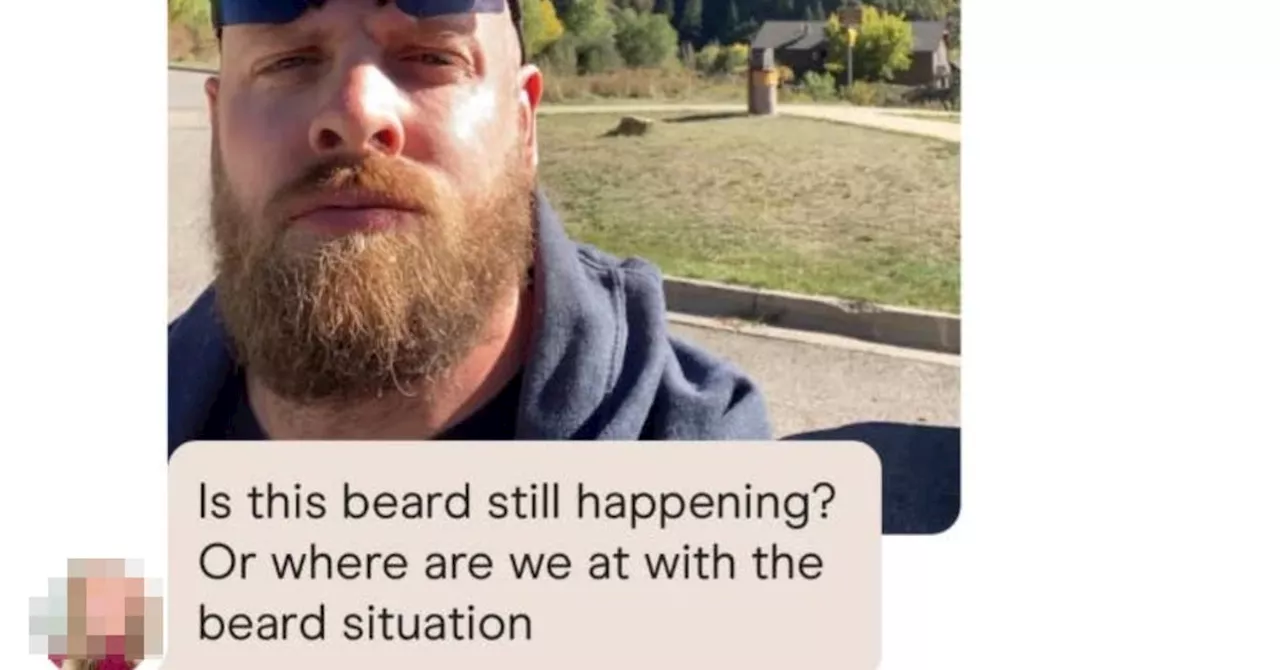
Just hours ago, a user shared their experience, stating, “I had a woman ask if I had custody of my son, and when I said 50/50, she said ‘eww.’ Like, what?” This revelation has led many to label the woman’s behavior as a form of negging—a tactic where an individual delivers subtle insults disguised as compliments to undermine confidence and elicit a need for approval.
The conversation has ignited a firestorm, with users weighing in on the implications of negging in modern dating. One user commented, “She’s the type of woman that wanted him to say, ‘I’ll shave it for you,’ like some bragging right to all her friends.” Others recalled their own experiences, with one stating, “I used to have long curly hair, and I had multiple women message me to say they’d go on a date with me if I cut my hair.”
The term negging has gained traction in recent years, with experts warning that it reflects deeper issues in dating culture. While some argue that the woman in question was simply expressing her preferences, the overwhelming response indicates a growing awareness of toxic behaviors in relationships.
WHY THIS MATTERS NOW: With the conversation around dating behaviors evolving rapidly, this incident underscores the need for awareness in interpersonal interactions. As people seek meaningful connections, understanding the nuances of communication becomes increasingly vital.
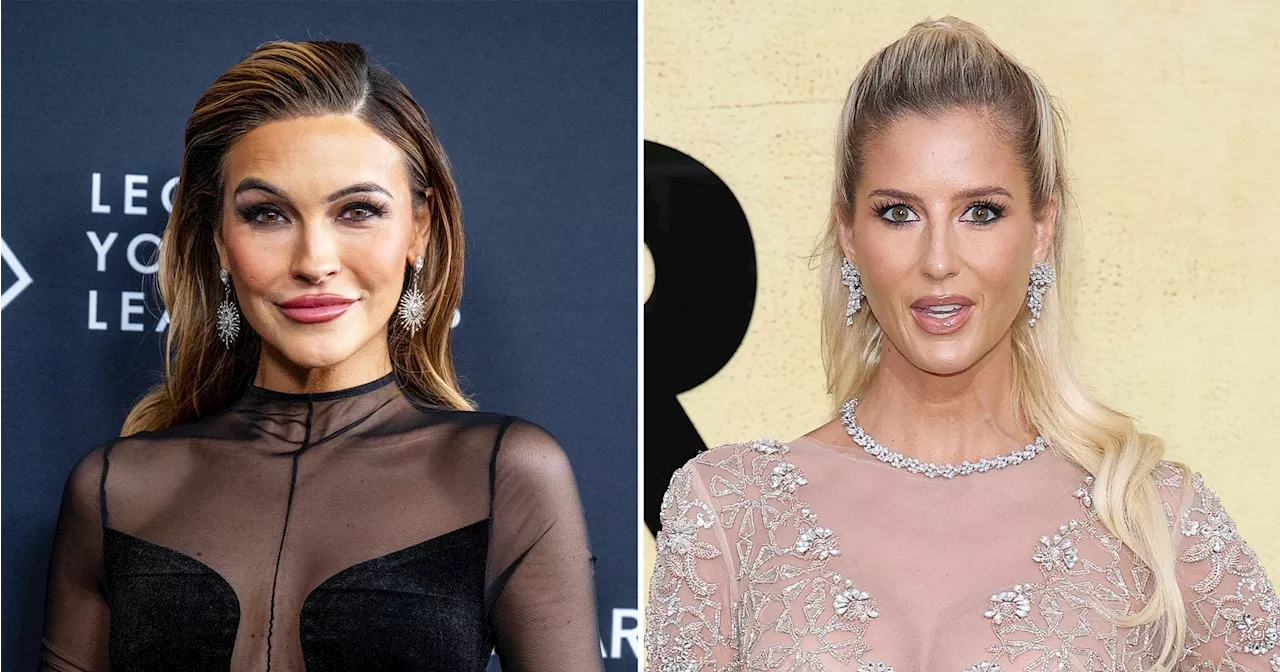
The topic has also drawn parallels to other high-profile discussions around toxic behaviors in communities, including recent controversies involving celebrities like Ashley Tisdale and Kaley Cuoco. As these discussions unfold, they highlight the pervasive nature of toxic dynamics not just in dating, but across various facets of social interaction.
WHAT’S NEXT: As the conversation continues to trend on social media, users are encouraged to share their thoughts and experiences with negging. The dialogue is poised to expand, potentially leading to broader discussions about self-worth and respect in relationships.
Stay tuned for updates as this story develops and more voices join the conversation. Have you experienced negging? Share your thoughts in the comments below!