
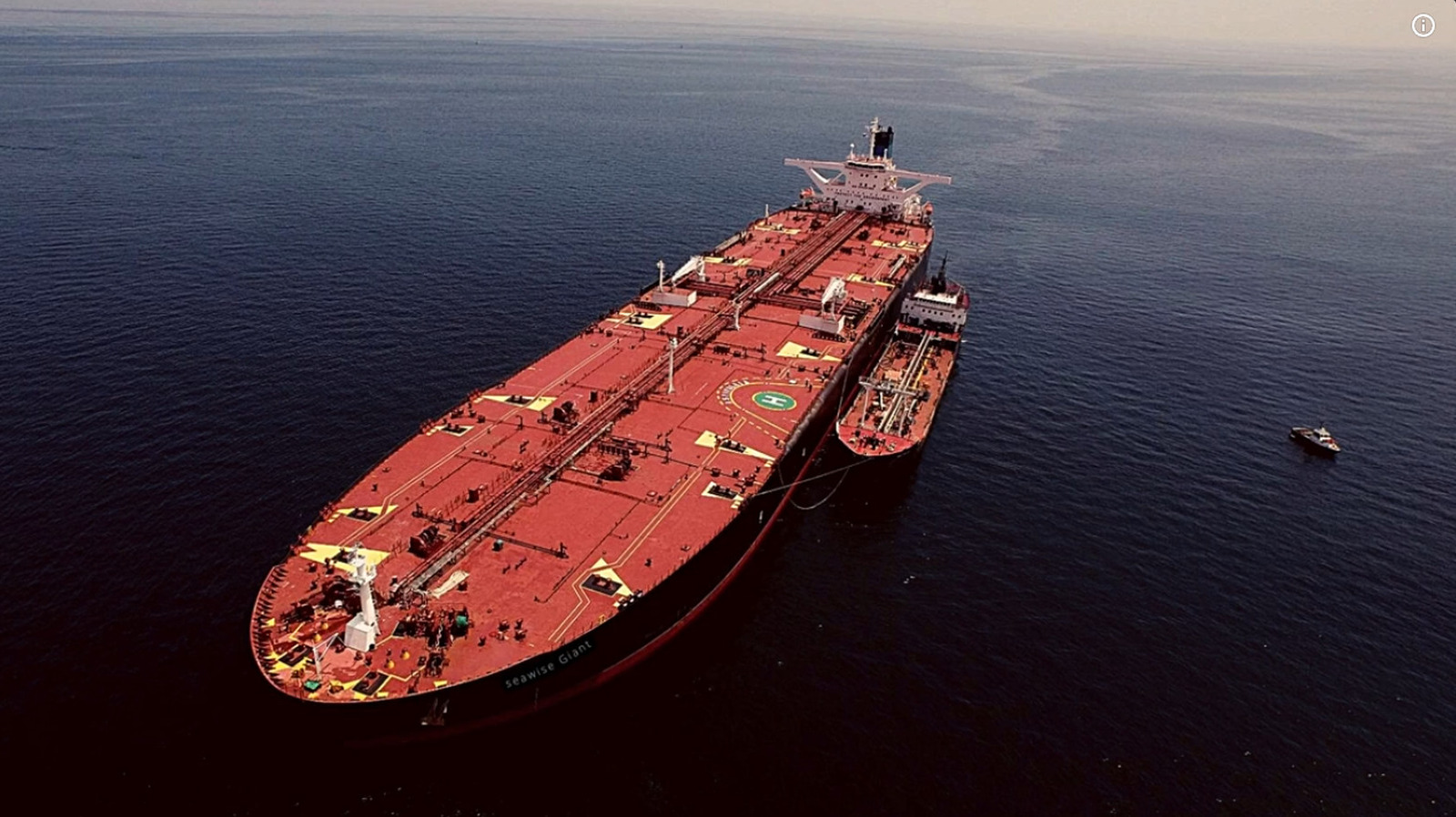
The **Seawise Giant**, once the largest ship and man-made moving object in history, has a fascinating tale interwoven with ambition, technological prowess, and dramatic events. Originally envisioned in the late 1970s by Greek shipping magnate **Stavros Niarchos**, the ultra-large crude carrier (ULCC) was intended to expand his already substantial shipping fleet. Although it was decommissioned and scrapped in **2009**, the ship holds records in three categories according to **Guinness World Records**, including longest ship and largest ship by deadweight tonnage.
Construction began in **1979** at the **Oppama shipyard** in Japan, operated by **Sumitomo Heavy Industries**. The ship was named after this yard, which had only been completed in **1971**. However, the project faced numerous challenges. Niarchos reportedly defaulted on payments, refused delivery due to vibration issues, or abandoned the ship after a downturn in the shipping market—accounts vary on the reasons. Eventually, the vessel was sold to **C.Y. Tung**, a Hong Kong shipping magnate, who enhanced its size and capacity.
Launched in **1981** as the **Seawise Giant**, the ship measured an astonishing **1,504 feet** (over **458 meters**), equivalent to more than four football fields. If placed upright, it would exceed the height of both the **Petronas Towers** in Kuala Lumpur and the **Empire State Building** in New York. With a deck area of **339,500 square feet**, crew members often used bicycles to navigate its vast expanse. The ship could transport over **four million barrels** of crude oil, making it a vital player in the global oil trade.
Despite its massive size, the Seawise Giant faced significant navigational challenges, unable to pass through key maritime channels like the **Suez Canal** and **Panama Canal**. Instead, the ship had to travel around the **Cape of Good Hope**, which, combined with a top speed of just **16 knots** (approximately **18 mph**), often resulted in lengthy voyages.
In **1988**, tragedy struck during the **Iran-Iraq War** when the Seawise Giant was hit by Iraqi missiles while traversing the **Strait of Hormuz**. The ship sank in shallow waters, and the **Orient Overseas Container Line (OOCL)** deemed salvaging it too costly, declaring it a total constructive loss. However, **Normal International**, a Norwegian company, invested millions to recover and restore the vessel, renaming it the **Happy Giant**.
Shortly after its relaunch, Normal International sold the ship for **$39 million** to Norwegian shipping magnate **Jørgen Jahre**, who renamed it the **Jahre Viking**. For another decade, the ship transported crude oil globally until advancements in shipping technology rendered it obsolete. In the early **2000s**, Jahre sold the vessel to **First Olsen Tankers**, who converted it into a floating storage and offloading unit, rebranding it as the **Knock Nevis**.
By **2009**, the ship’s storied journey came to an end when it was sold to a ship-breaking company in **Gujarat, India**. The dismantling process was labor-intensive, requiring **18,000 workers** over a year to disassemble the giant vessel, which was ultimately reduced to scrap. The only remaining piece of the Seawise Giant is its **36-ton anchor**, which is on display at the **Hong Kong Maritime Museum**.
The legacy of the Seawise Giant serves as a testament to human ingenuity and ambition in maritime engineering. Its remarkable history continues to captivate those fascinated by the intersection of technology, commerce, and the enduring quest to conquer the seas.


