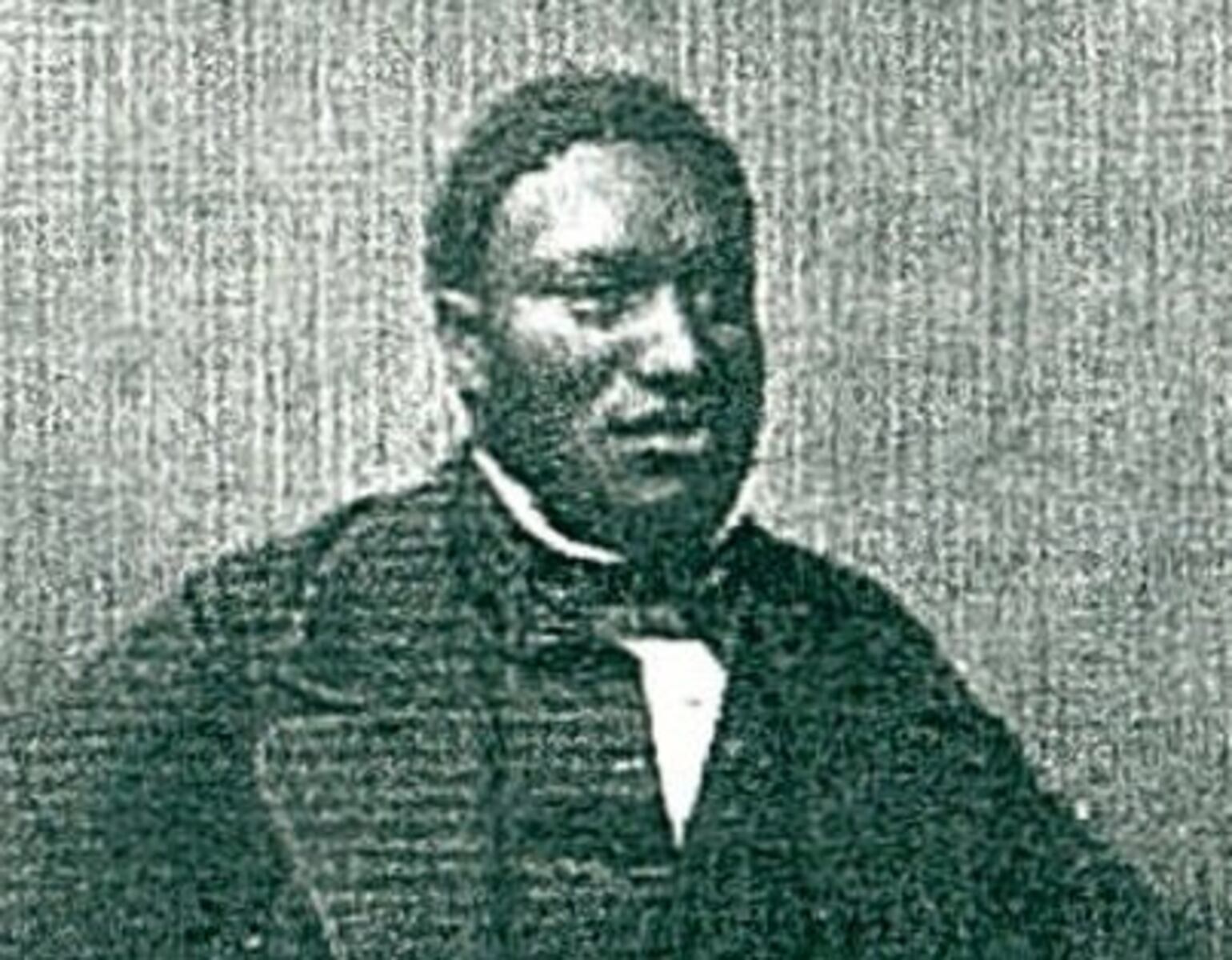
UPDATE: The compelling legacy of Syracuse abolitionist Samuel Ringgold Ward is finally receiving the attention it deserves, highlighting his significant impact on American history. Once overshadowed by contemporaries like Frederick Douglass, Ward’s contributions to the abolitionist movement are coming to light, confirming his status as a pivotal figure in the fight against slavery.
Ward, who was born into slavery on October 17, 1817, made waves in the abolitionist community. Douglass once expressed profound admiration for him, stating, “As an orator and thinker, he was vastly superior… Samuel R. Ward has left no successor among the colored men amongst us.” This recognition underscores the urgency of remembering Ward’s achievements as we reflect on the ongoing struggle for racial equality.
In the 1840s and early 1850s, Ward made Syracuse a focal point for abolitionist advocacy. He published one of the earliest Black newspapers, The Impartial Citizen, which debuted on February 14, 1849. The newspaper promoted self-help and racial pride while vehemently opposing slavery. His editorial work aligned with his role as a lecturer for the American Anti-Slavery Society, emphasizing the need for dignity and respect among Black Americans.
The Jerry Rescue on October 1, 1851, marked a defining moment in Ward’s activism. As a crowd of 2,500 gathered in Clinton Square to support an escaped slave named Jerry, Ward delivered an impassioned speech that rallied attendees against the Fugitive Slave Act. “Fellow citizens! We are here in the most extraordinary circumstances. A man in chains, in Syracuse!” he called out, igniting a fervor that led to Jerry’s dramatic rescue from captivity.
Ward’s ability to inspire action was evident when he urged the crowd to reject laws that facilitated slavery. His powerful rhetoric led to a collective promise from the audience to oppose such legislation, culminating in the successful liberation of Jerry, who eventually fled to Canada.
Despite his monumental contributions, Ward’s life took a nomadic turn after the Jerry Rescue. He left the United States for Canada, continuing his anti-slavery work from abroad. His memoir, “Autobiography of a Fugitive Negro,” published in 1855, chronicles his experiences and advocacy, although he faded from public memory thereafter.
Ward’s story serves as a reminder of the resilience and courage of those who fought against oppression. As we revisit his legacy, it is vital to acknowledge the emotional weight carried by his actions and words. The fight against systemic racism and slavery is a historical thread that continues to resonate today.
As interest in Samuel Ringgold Ward grows, historians and activists alike are calling for renewed recognition of his role in shaping the abolitionist movement. His legacy is not just a tale of the past but a clarion call for present and future generations to continue the fight for justice and equality.
In the coming weeks, expect more discussions and events focused on Ward’s life and contributions, as communities seek to honor and educate others about this influential figure. His story is a powerful reminder that the fight for freedom and equality is ongoing and deeply rooted in America’s history.