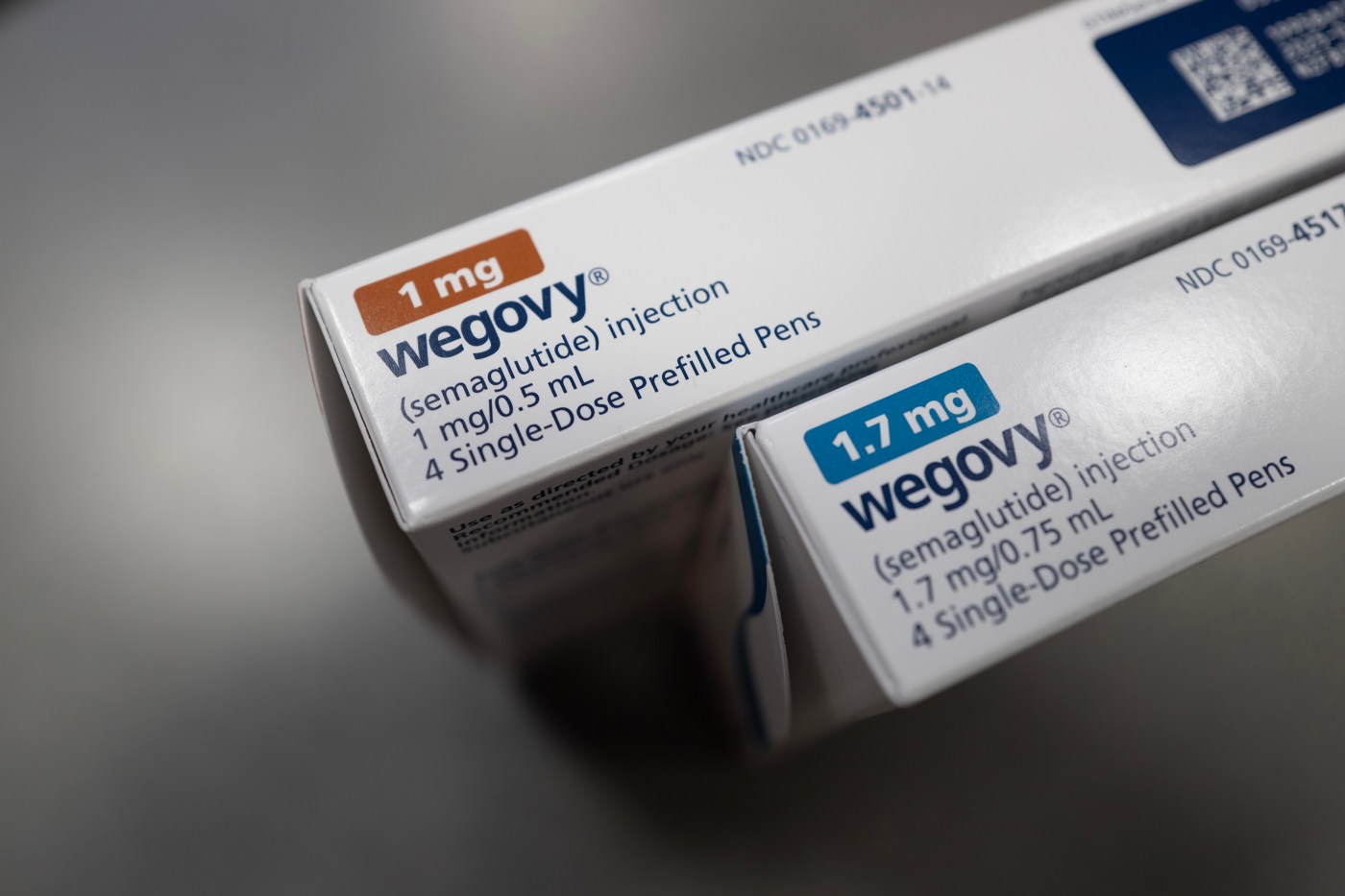
Telehealth company Hims & Hers recently disrupted the obesity drug market by launching a cheap, compounded version of Novo Nordisk’s popular weight loss medication, Wegovy. This bold move, however, was short-lived. Just two days after its introduction, the company pulled the product after the United States Food and Drug Administration (FDA) promised to take “decisive” action against its knockoff drug and others like it. In response, Novo Nordisk announced plans to sue Hims & Hers for patent infringement.
The incident highlights ongoing issues within the GLP-1 drug market, often described as the “Wild West” due to the proliferation of unregulated alternatives. Despite the initial excitement surrounding Wegovy’s compounded version, the FDA’s intervention raises questions about the safety and efficacy of these alternatives, as well as the regulatory environment that allowed their emergence.
Regulatory Gaps and Market Demand
The rise of compounded GLP-1 drugs can largely be attributed to a significant demand outpacing supply. The FDA permits the creation of compounded medications when original versions are in short supply. Following the approvals of Wegovy in 2021 and Zepbound in 2023, both drugs faced supply shortages, prompting a surge in unregulated, compounded versions offered by telehealth companies, online pharmacies, and wellness spas.
While manufacturers have since ramped up production, officially ending the shortages over a year ago for Zepbound and nearly a year for Wegovy, the gray market for compounded weight-loss drugs remains robust. The FDA had given telehealth firms a grace period to cease sales, yet many such products continue to be readily available.
The primary concern with compounded GLP-1 drugs is the lack of oversight. Unlike generic drugs, which the FDA regulates to ensure they are equivalent to the original product, compounded medications do not undergo the same level of scrutiny. This discrepancy means that compounded versions may not be as effective or safe as their FDA-approved counterparts.
Consumer Confusion and Safety Concerns
The compounded version of Wegovy raises particular alarm due to the nature of its active ingredient, semaglutide. This peptide has historically posed challenges for oral administration, as it does not easily survive the gastrointestinal tract. Novo Nordisk invested in technology that allows semaglutide to be delivered effectively, requiring that the Wegovy pill be taken on an empty stomach, with a 30-minute wait before eating.
Hims & Hers’ announcement of its own low-cost alternative led to significant concerns regarding its potential effectiveness. Although the company has since withdrawn the product, the issue reflects a broader problem in the GLP-1 market. Numerous unapproved formulations of GLP-1 knockoffs—such as lozenges, “microdose” pills, and sublingual drops—can be found online, often without any clinical backing.
Various companies have mischaracterized their compounded drugs as “generics,” contributing to public confusion. In a market flooded with advertisements for inexpensive alternatives to FDA-approved medications, many consumers are understandably drawn to these options. The FDA has repeatedly warned about the potential ineffectiveness and safety risks associated with these products.
FDA Commissioner Marty Makary recently intensified the agency’s efforts to combat misleading advertising practices. He announced that the FDA would not only focus on Hims & Hers but also take steps to address the broader issue of marketing practices that misrepresent compounded drugs as equivalent to approved medications.
While increased enforcement is a positive development, experts caution that the vast size of the gray market for compounded GLP-1 drugs makes comprehensive regulation challenging. For many consumers, lower-priced options will remain attractive as long as branded drugs remain financially out of reach.
The ongoing demand for affordable weight-loss medications underscores a critical need for improved accessibility to FDA-approved drugs. Although competition is beginning to reduce prices, inconsistent insurance coverage continues to limit access for millions of eligible patients. Without viable solutions, the appetite for cheaper alternatives, even if they pose risks, may persist.
As the landscape of the GLP-1 market evolves, consumers, regulators, and healthcare providers must navigate these complexities to ensure safety and efficacy in obesity treatment options.