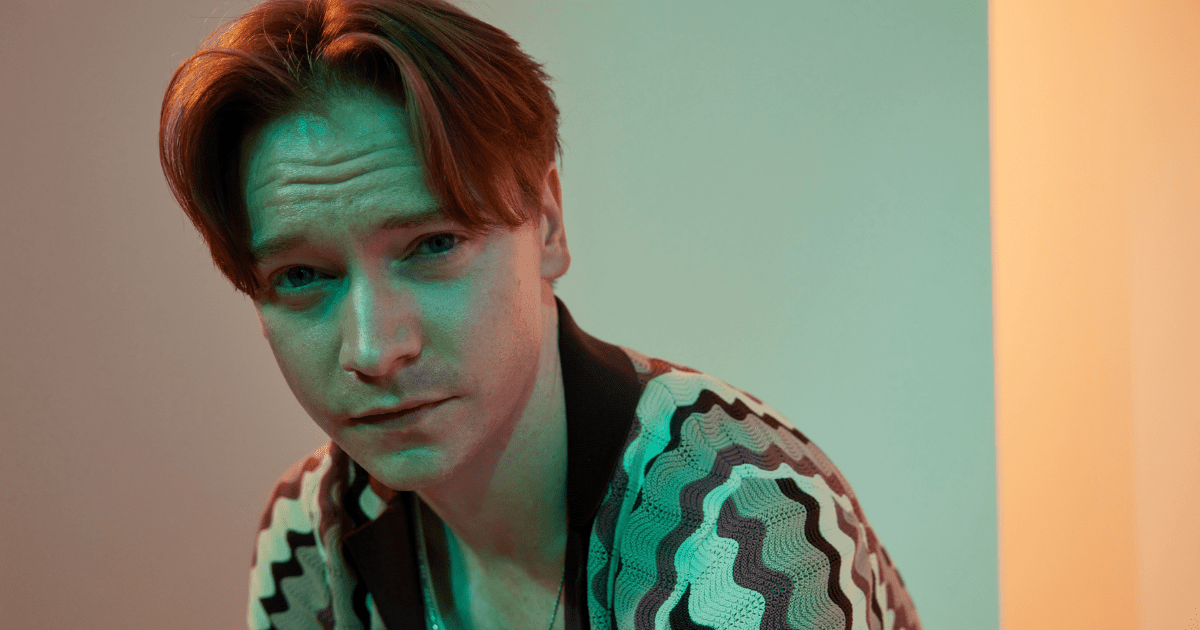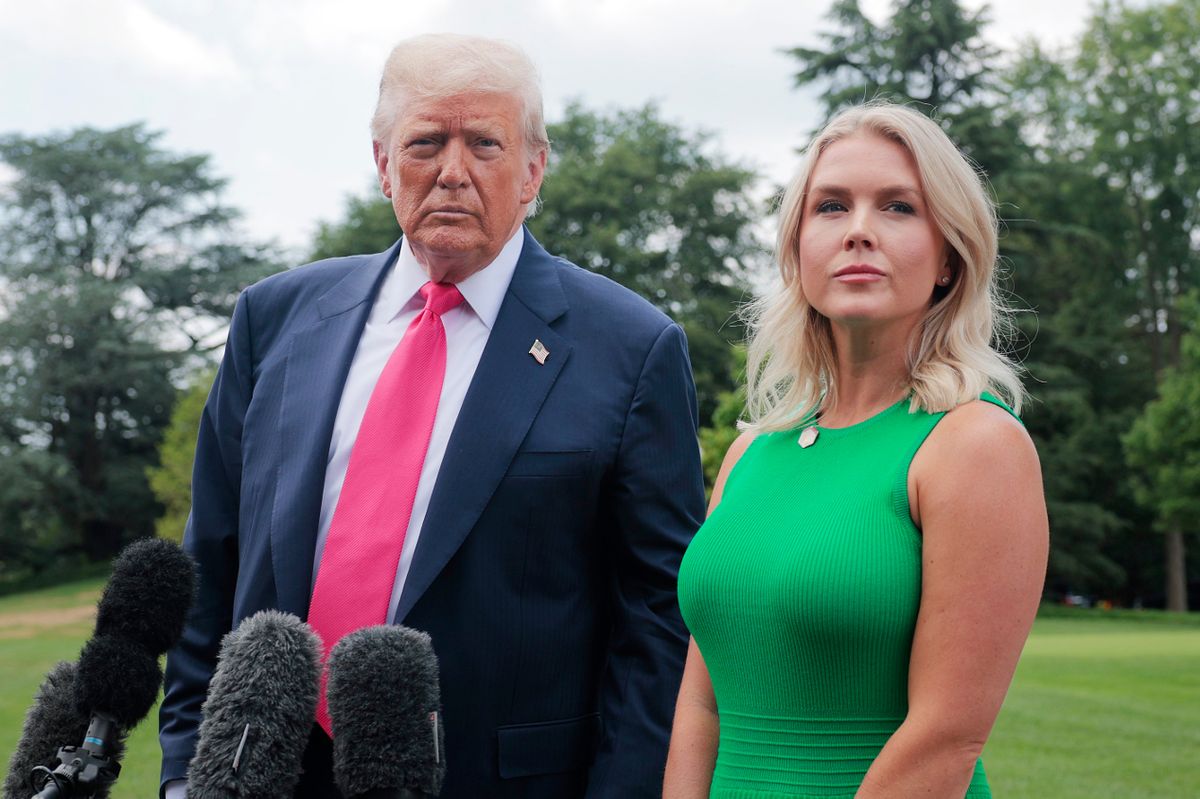
Kaitlan Collins, a CNN journalist, recently shared an unexpected moment of support from Karoline Leavitt, press secretary to former President Donald Trump. This revelation emerged during an appearance on the podcast “Absolutely Not with Heather McMahan,” where Collins discussed an encounter that took place during a foreign trip to Saudi Arabia.
While attending an official event, Collins shouted a question to President Trump after he entered the room with other world leaders, including the Saudi Crown Prince. This prompted a strong reaction from the Saudi Royal Guard, who were reportedly unaccustomed to a free press. Following the incident, Collins was informed that she could not attend the next event.
It was at this moment that Leavitt intervened. Collins recounted, “To her credit, she said, ‘No, Kaitlan’s coming in with the rest of the US press,’ and we went in.” This act of support was particularly significant given the context of their previous interactions, as President Trump has frequently criticized Collins publicly.
Leavitt’s backing stands out against the backdrop of Trump’s remarks about Collins. At a February 3, 2023 event, Trump called Collins a “nasty person” for her inquiries regarding his legal troubles, including a federal investigation into his handling of classified documents. He has also made disparaging comments about her professionalism on social media, labeling her as “stupid and nasty.”
Despite this history of animosity from Trump, Collins emphasized the importance of Leavitt’s actions during their time abroad. “Especially when you’re kind of the U.S. contingent abroad, and we don’t do things like they do in Saudi Arabia,” she noted, highlighting the cultural differences regarding press freedoms.
After Collins shared her experiences on the podcast, Leavitt took to Instagram to affirm her support, posting a clip of the discussion with the caption, “True story!” This public acknowledgment of a moment of solidarity between the press secretary and the journalist has sparked conversations among political commentators.
As tensions often run high between Trump and the media, instances of support like Leavitt’s can be seen as rare. The dynamics between the former president and the press have often been contentious, with Trump frequently targeting journalists who question his policies or conduct.
The relationship between Collins and Leavitt, though unexpected, reflects the complexities of media interactions within the political sphere. While Trump continues to criticize Collins, Leavitt’s actions demonstrate that support can occasionally transcend partisan divides, even in the most challenging environments.
In a political climate rife with division, moments of unexpected camaraderie may provide a glimmer of hope for more constructive interactions moving forward. As journalists continue to navigate the intricate landscape of political reporting, the significance of solidarity between colleagues—regardless of their affiliations—remains paramount.