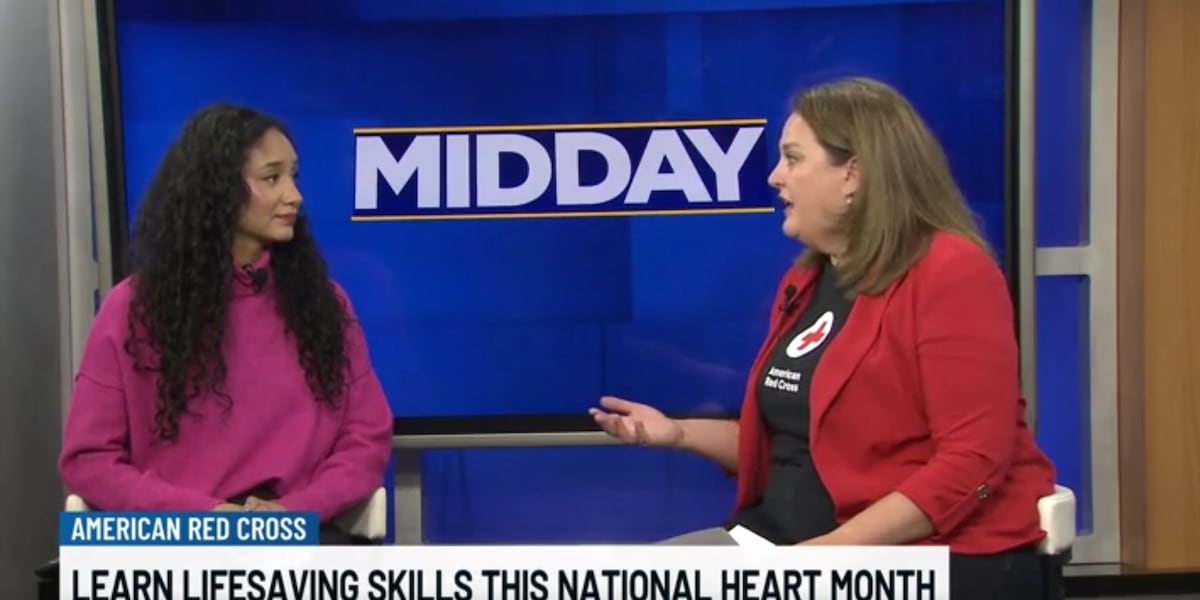
The Red Cross is emphasizing the importance of CPR training during National Heart Month, highlighting the urgent need for life-saving skills. In the United States, more than 300,000 individuals experience cardiac arrest each year outside of hospital settings. This alarming statistic underscores the necessity for bystanders to be equipped with the knowledge to respond effectively to such emergencies.
Christie Caster, executive director of the Red Cross of Western Colorado, stated, “Having the ability to respond to a cardiac emergency makes you a better, more confident caregiver.” This sentiment reflects a growing recognition of the critical role that everyday citizens can play in saving lives. Vulnerable populations, including infants, older adults, and individuals with chronic health conditions, face a heightened risk of cardiac arrest, making widespread CPR training essential.
To address these needs, the Red Cross has recently updated its First Aid/CPR/AED training program. The revisions include new techniques for infant CPR, ensuring that participants are well-prepared to assist the youngest victims of cardiac emergencies. Additionally, the program now offers instruction on the use of epinephrine nasal spray, which has been approved as a treatment for anaphylaxis, another potentially life-threatening condition.
As National Heart Month progresses, the Red Cross encourages the public to take action by enrolling in CPR courses. Interested individuals can find available classes by visiting redcross.org/takeaclass. By gaining these essential skills, community members can significantly contribute to their own safety and the well-being of those around them.
The call to action not only aims to increase awareness about the prevalence of cardiac arrest but also seeks to empower individuals with the confidence and skills to make a difference in emergencies. In situations where every second counts, trained bystanders can be the difference between life and death.
The Red Cross remains committed to enhancing public health and safety through education and training. As more people become informed about CPR and life-saving techniques, the hope is that the survival rates for cardiac arrest will improve across communities in the United States and beyond.