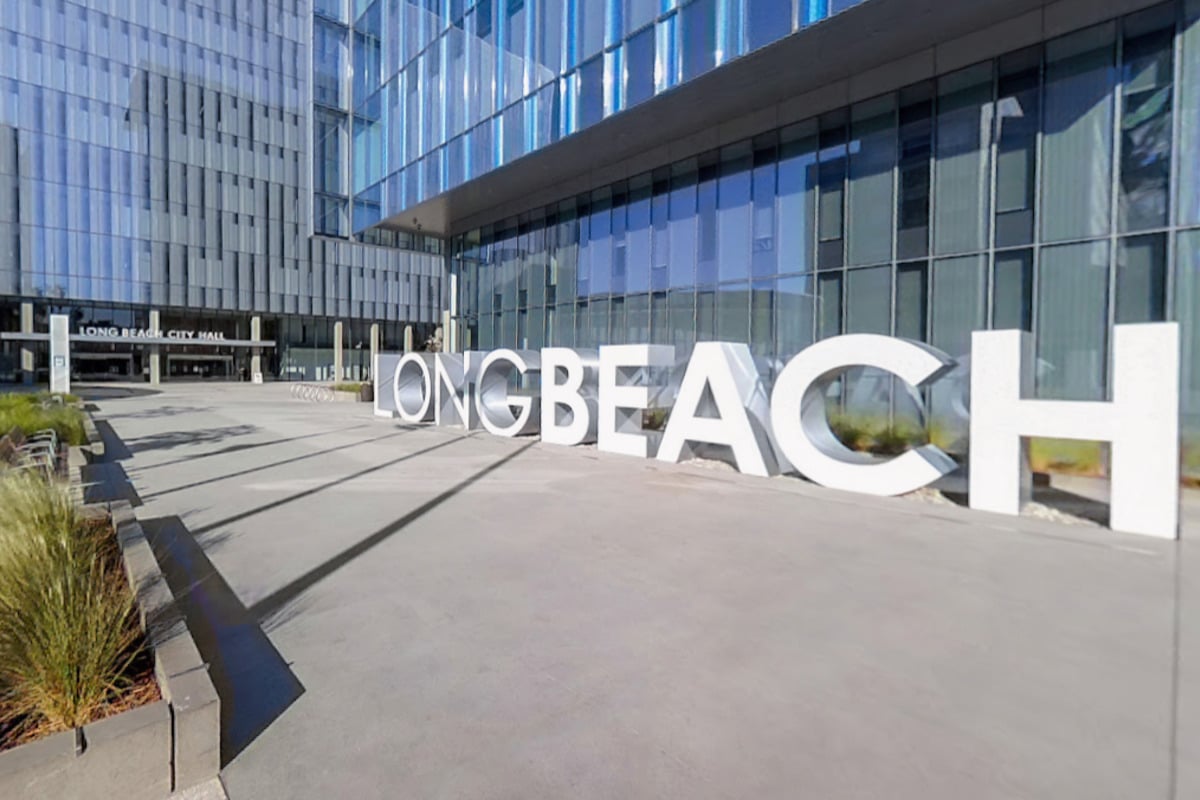
The Long Beach City Council has taken decisive action to tackle employment disparities faced by Black residents. This week, the council unanimously approved a new initiative aimed at implementing the findings from the Black Community Health Strengths and Needs Assessment. The council directed the Health and Human Services Department to develop concrete changes in hiring practices, partnerships, and programs within the next 120 days.
Introduced by Councilmembers Tunua Thrash‐Ntuk, Suely Saro, and Dr. Joni Ricks‐Oddie, the measure instructs the City Manager to ensure that the Health Department presents the assessment to relevant partner agencies and translates its findings into actionable steps. A significant focus of this initiative is to identify “employment deserts” in Long Beach and propose strategies to enhance local hiring, outreach, and recruitment in these underserved areas.
Key Findings of the Assessment
The assessment revealed critical insights into the challenges facing the local community. Respondents highlighted that economic stability, secure housing, and mental health are their top priorities. Early data indicated that approximately one in four respondents reported being unable to afford their rent that month, while nearly one-third had recently faced difficulties in securing housing. Furthermore, over half of the participants expressed experiencing emotional distress. Advocates emphasize that these issues of rent stress, housing instability, and mental health are intricately linked, highlighting the need for comprehensive support.
The assessment also uncovered a stark disparity in life expectancy. Black men in Long Beach are estimated to live around ten years less than their white counterparts, a gap that community members described as “sobering.” In response, the workgroup created a resource map featuring over 60 culturally specific providers throughout the city, identifying 31 that met local standards for quality and cultural relevance.
Context of Homelessness and Local Hiring Initiatives
Long Beach’s 2025 point-in-time count reported that 3,595 individuals were experiencing homelessness, with approximately 1,224 identifying as Black, representing roughly one-third of the total homeless population. This overrepresentation aligns closely with the housing insecurity highlighted in the assessment. Councilmembers and city staff have linked the report’s findings to existing local hiring tools and ongoing discussions regarding Measure JB. They argue that the city’s hiring practices and resident-preference policies could be leveraged to create job opportunities in neighborhoods with limited options.
The council has mandated that staff present the assessment to the governing boards of the Long Beach Unified School District, Long Beach City College, Long Beach Transit, the Port of Long Beach, and Long Beach Airport by December 31, 2026. Each presentation will require a summary to ensure transparency and accountability. Additionally, the Health Department must report back to the council within 120 days with detailed policy proposals aimed at increasing local hiring and outreach in the identified employment deserts.
Community organizations are cautiously optimistic about the council’s decision. The Black Health Equity Collaborative and other local advocates plan to closely monitor how resources, timelines, and accountability will be structured. They emphasize the importance of workforce programs that include comprehensive support services such as training, childcare, and housing navigation. The Black Health Equity Collaborative has committed to tracking the implementation of the assessment’s recommendations to ensure that the proposed changes lead to meaningful improvements for Black residents in Long Beach.