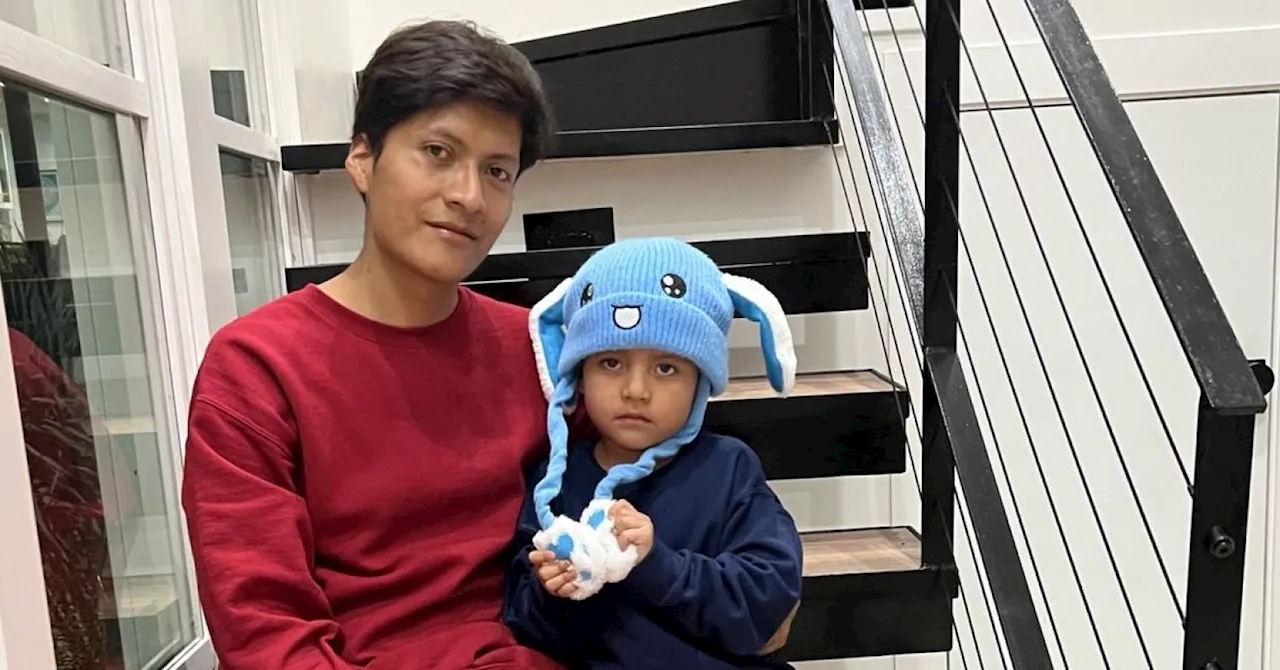
Family separation under the guise of safety continues to cause significant harm to children’s mental health, according to mental health professionals. This issue has gained renewed attention following the detention of five-year-old Liam Conejo Ramos, who, along with his father, was apprehended by Immigration and Customs Enforcement (ICE) in their Minneapolis suburb on January 20, 2026. Despite entering the United States legally in search of asylum, both were transferred to a detention facility in Texas.
The impact of such separations is profound, often leading to conditions like post-traumatic stress disorder (PTSD), anxiety, and depression among detained children. These mental health challenges can significantly affect their life expectancy. The systems of child welfare, juvenile justice, and immigration enforcement often justify these separations as protective measures, yet the reality is that they frequently exacerbate the psychological harm to children.
Witnessing other children being taken away creates a climate of fear and anxiety in communities. For instance, one child’s experience highlights the chilling effects of immigration status on school attendance and healthcare access. The child’s family reported threats from classmates to inform authorities about their immigration status, contributing to a climate of distress that can lead to tragic outcomes.
As a child psychiatrist focused on health equity, it is evident that family separation is a systemic issue that extends beyond immigration enforcement. The practices of child welfare and juvenile justice follow a similar pattern, often causing preventable harm to families, particularly in Black, Latine, and Indigenous communities. Historical injustices, such as those stemming from slavery and the forced removal of Indigenous children, echo in contemporary practices that label children as deficient based on socioeconomic factors rather than actual neglect.
Current mental health practices perpetuate this cycle by reinforcing the idea that care can be provided in detention settings. Providers often engage in mandated reporting, which can lead to the wrongful classification of non-abusive families as needing intervention. Diagnoses such as oppositional defiant disorder may lead to criminalization instead of understanding the broader social context that contributes to a child’s behavior.
Mental health professionals must confront their roles in legitimizing child detention. Research consistently shows that children in these systems often receive coercive psychiatric treatments, compounding their trauma. For example, studies indicate that Black and Brown children in state custody are disproportionately prescribed psychiatric medications, often for responses that would be deemed normal in a supportive environment.
Redirecting focus away from detention as a care solution is crucial. Initiatives like California’s Differential Response and New York’s Family Assessment Response prioritize voluntary support over punitive measures, demonstrating that community-based alternatives are viable.
In the lead-up to Liam Conejo Ramos’s release, the distress of detained children was evident, with reports of them pleading to be freed. This highlights the urgent need to address the psychological toll of family separation across various systems, including immigration and child welfare. Mental health professionals bear a responsibility to challenge their complicity in these harmful practices and advocate for keeping families together as a fundamental mental health intervention.
Shifting resources from detention facilities to community support is not merely an ethical obligation; it represents a necessary step toward healing. By prioritizing family unity, mental health providers can significantly impact the well-being of children and communities alike. The current approach to mental health care must evolve beyond the confines of detention, recognizing that true healing cannot occur within such oppressive environments.