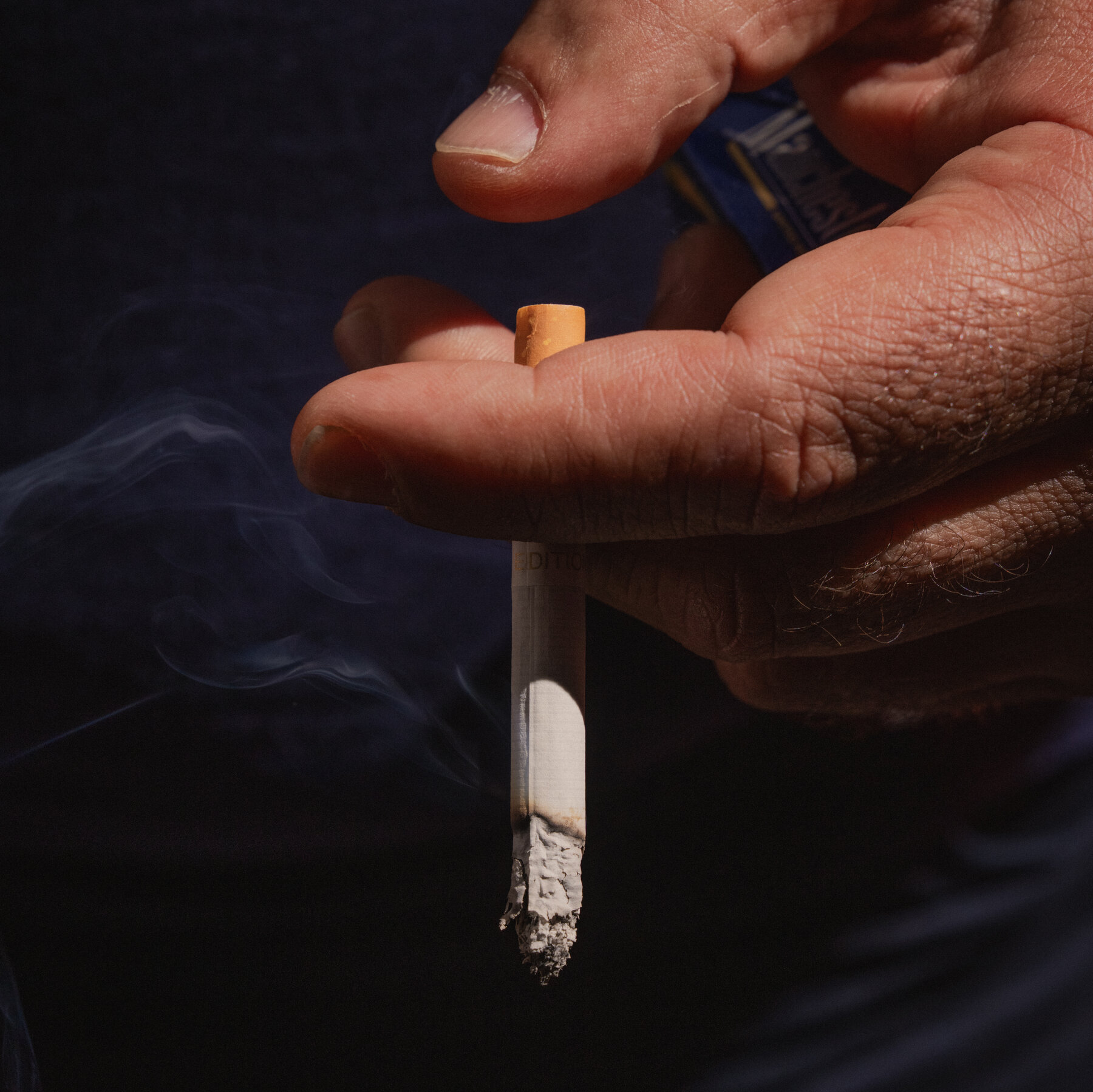
The surge in cigarette prices in Australia, now reaching approximately $40 per pack, has inadvertently led many smokers to seek cheaper alternatives in the black market. This phenomenon is not only impacting public health but also fuelling a multi-billion dollar illegal tobacco trade that poses significant challenges for law enforcement.
Australian authorities have implemented substantial tax increases on tobacco products over the past few years, making cigarettes the most expensive in the world. According to the Australian Taxation Office, these tax hikes are designed to discourage smoking and enhance public health. However, the unintended consequence has been a dramatic rise in the consumption of illicit tobacco.
The Black Market Boom
Estimates suggest that illicit tobacco sales in Australia have surged to around $5 billion annually. Smugglers and bootleggers have taken advantage of the high prices, creating a robust underground market that thrives on demand for cheaper cigarettes. The Australian Criminal Intelligence Commission has reported that organized crime groups are increasingly involved in this lucrative trade, complicating efforts to combat the issue.
Health Minister Mark Butler has acknowledged the challenges posed by rising illegal tobacco sales, emphasizing the need for effective strategies to address this growing problem. He noted that while elevated prices aim to reduce smoking rates, they have also sparked a rise in criminal activities related to tobacco smuggling.
Health Implications and Enforcement Challenges
The rise of black market tobacco not only undermines government revenue but also raises serious health concerns. Smokers turning to illegal products may be exposed to unregulated and potentially harmful substances. The lack of quality control in bootleg tobacco can lead to severe health risks, further complicating public health initiatives aimed at reducing smoking-related illnesses.
Law enforcement agencies are struggling to keep up with the increasing sophistication of smuggling operations. The Australian Federal Police are focusing on dismantling these criminal networks but face significant obstacles due to the vast scale of the operation and the anonymity provided by the internet. The challenge lies in balancing effective enforcement while ensuring that public health measures continue to discourage smoking.
The situation in Australia serves as a cautionary tale for other nations grappling with similar issues related to tobacco taxation and illicit trade. As governments worldwide consider raising tobacco taxes, they must also evaluate the potential repercussions that such actions may have on black market activities.
In conclusion, while Australia’s approach to tobacco taxation has aimed to improve public health, it has inadvertently fostered a thriving black market for cigarettes. As authorities strive to combat this illegal trade, the focus will need to remain on not only enforcing laws but also addressing the underlying issues that drive smokers to seek out cheaper alternatives.