February marks American Heart Month, a crucial time for individuals to reflect on their cardiovascular health. Heart disease continues to be the leading cause of death in many regions, emphasizing the need for prevention, early detection, and access to quality care. Fortunately, a significant portion of heart disease is preventable, and even small, sustained lifestyle changes can lead to substantial improvements in long-term health.
Simple Steps to Enhance Heart Health
According to Alison L. Bailey, M.D., vice chief of Cardiology at the WVU Heart and Vascular Institute, protecting your heart can begin with simple daily actions. “Anything you do that moves your body counts,” she stated, highlighting the importance of regular physical activity. Engaging in both aerobic exercise and resistance training serves as an effective method for decreasing cardiovascular risk.
Nutrition plays a pivotal role in heart health as well. A heart-healthy diet consists of an abundance of vegetables, fruits, lean proteins, and whole grains. It is equally important to limit saturated fats and highly processed foods to promote healthy cholesterol levels, maintain a healthy weight, and regulate blood pressure.
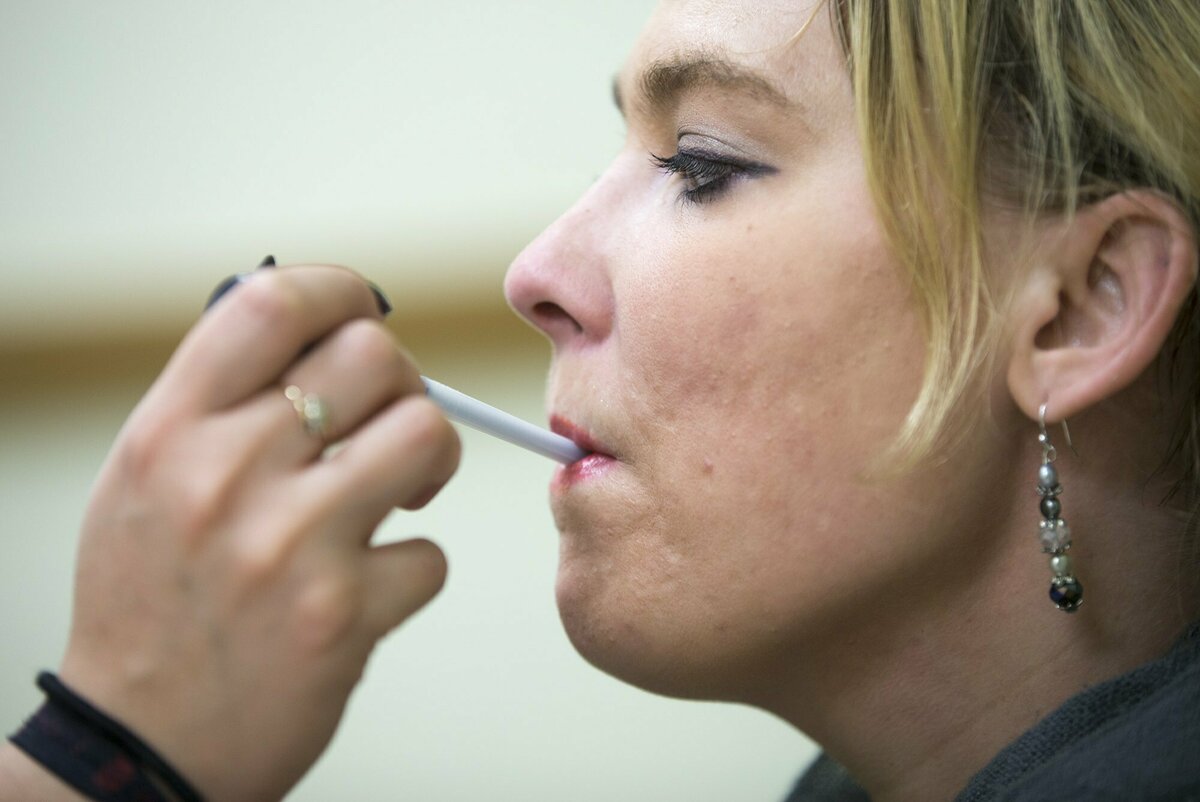
Bailey also pointed out two frequently overlooked factors in heart health: sleep and tobacco exposure. Adults should aim for 7-9 hours of sleep each night, as inadequate sleep has been linked to elevated blood pressure, diabetes, and an increased risk of heart disease. Additionally, there is no safe level of exposure to tobacco, making avoidance essential.
Understanding Heart Health Numbers
Monitoring key health metrics is vital for maintaining cardiovascular wellness. Optimal blood pressure should be below 120/80 mmHg, while LDL (bad) cholesterol levels should be minimized. Fasting blood sugar should ideally remain under 100 mg/dL to prevent prediabetes. Keeping a body mass index (BMI) under 25 and waist measurements within a healthy range further reduces risk factors.
Women face unique challenges regarding cardiovascular health. Statistics reveal that one in three women will die from heart disease, with nearly 45 percent currently living with some form of cardiovascular disease. Pregnancy can also unearth hidden risks, with 10-20 percent of women experiencing cardiovascular complications during this period.
This February, the WVU Heart and Vascular Institute encourages individuals to take meaningful steps toward enhancing heart health. Whether it involves increasing physical activity, improving dietary habits, checking blood pressure, or eliminating tobacco exposure, every action counts. By combining prevention, early detection, and advanced treatment, WVU Medicine strives to provide world-class cardiovascular care to communities across the region.
For more information on heart health, visit WVUMedicine.org/Heart.