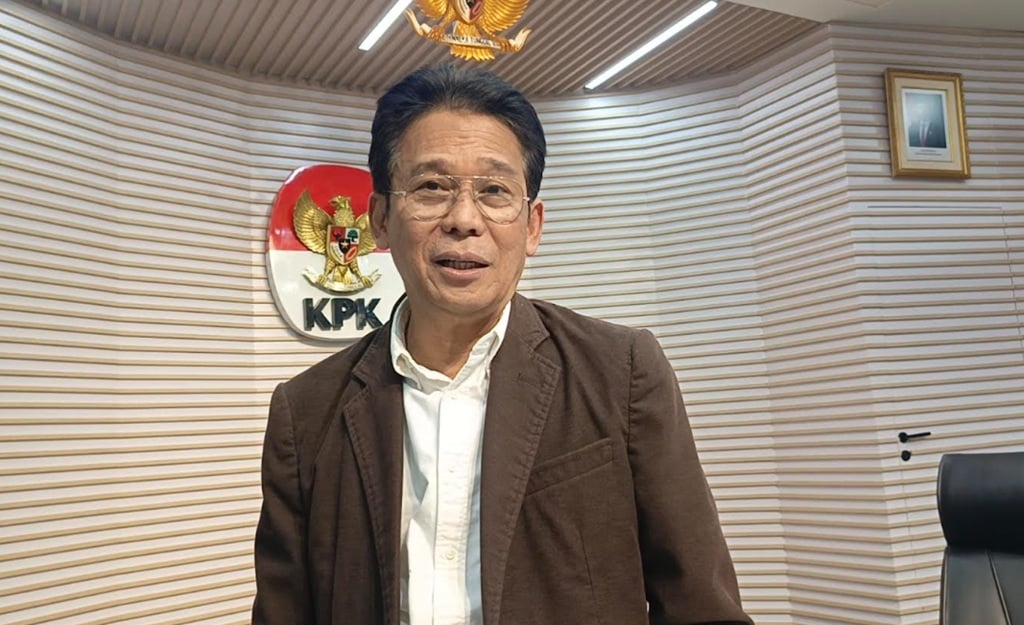
President Joko Widodo has expressed his support for reverting the Indonesian Anti-Corruption Law, known as the UU KPK, back to its previous version. This statement has prompted a strong response from Johanis Tanak, the Vice Chairman of the Corruption Eradication Commission (KPK), who emphasized the law’s permanence and legal implications.
In an interview on February 15, 2026, Tanak stated, “What is there to return? The law is not an item that can be borrowed and returned after use.” His comments reflect concerns about the notion of easily changing legal frameworks that govern critical institutions like the KPK.
Tanak highlighted that the current focus of the KPK is to combat corruption based on existing regulations, rather than engaging in legislative processes. “Right now, the KPK operates under both the old and new versions of the KPK law,” he noted. The recent revisions have clarified the legal status of KPK employees as civil servants, enhancing their operational legitimacy.
The vice chairman also mentioned that for the KPK to function independently, any amendments to the law should ensure its placement within the judiciary sector. He pointed out that the KPK and the Supreme Court together form a crucial part of Indonesia’s judicial framework.
Tanak’s remarks underscore a broader debate in Indonesia about the effectiveness and independence of anti-corruption measures. The KPK has faced scrutiny and challenges since the enactment of the revised law, which critics argue has weakened its powers and capabilities.
As discussions continue, the implications of these legal adjustments on the fight against corruption remain a significant concern for both civil society and governmental bodies. The KPK’s ability to operate effectively is tied closely to the legal environment in which it functions, making the dialogue around the UU KPK crucial for Indonesia’s anti-corruption efforts.
The future of anti-corruption legislation in Indonesia hangs in the balance, with calls for reassessment of the law’s provisions and its impact on the KPK’s operations. As stakeholders weigh the consequences of reverting to the old law, the potential for reform and its ramifications on governance will be closely monitored by both national and international observers.