The Kremlin has categorically rejected allegations that Russian opposition leader Alexei Navalny was killed using a toxic substance derived from dart frogs. This response follows claims from several European nations and Navalny’s widow, Yulia Navalnaya, who asserted that he died after being exposed to epibatidine, a poison significantly more potent than morphine.
On February 16, 2024, Navalny, renowned as one of President Vladimir Putin‘s most vocal critics, died in a remote Arctic penal colony. His widow, along with officials from Britain, France, Germany, Sweden, and the Netherlands, have accused the Russian state of orchestrating his death. They argue that the presence of epibatidine indicates a deliberate act of poisoning, rather than a natural cause of death.
Kremlin spokesman Dmitry Peskov expressed strong objections to these accusations on March 18, 2024. He characterized the claims as unfounded and biased, emphasizing that the Kremlin does not accept such allegations. “Naturally, we do not accept such accusations. We disagree with them,” Peskov stated. “We consider them biased and not based on anything. And we strongly reject them.”
Further dismissing the allegations, Maria Zakharova, a spokeswoman for the Russian Foreign Ministry, described them as “merely propaganda aimed at diverting attention from pressing Western issues,” according to the state news agency TASS. Zakharova indicated that Russia would provide more detailed comments if the countries making the claims released comprehensive test results.
In her statements, Navalnaya has maintained that her husband was murdered by the Russian state, asserting that recent testing of his body has finally provided evidence to support her claims. “Two years. We have attained the truth, and we will also attain justice one day,” she wrote on social media platform X.
The joint statement from the five nations highlighted the severity of the toxin. “Given the toxicity of epibatidine and reported symptoms, poisoning was highly likely the cause of his death,” they asserted. The statement emphasized that Navalny’s death occurred while he was imprisoned, suggesting that Russia had both the means and motive to administer the poison.
“Russia saw Navalny as a threat. By using this form of poison, the Russian state demonstrated the despicable tools it has at its disposal and the overwhelming fear it has of political opposition,” the nations added.
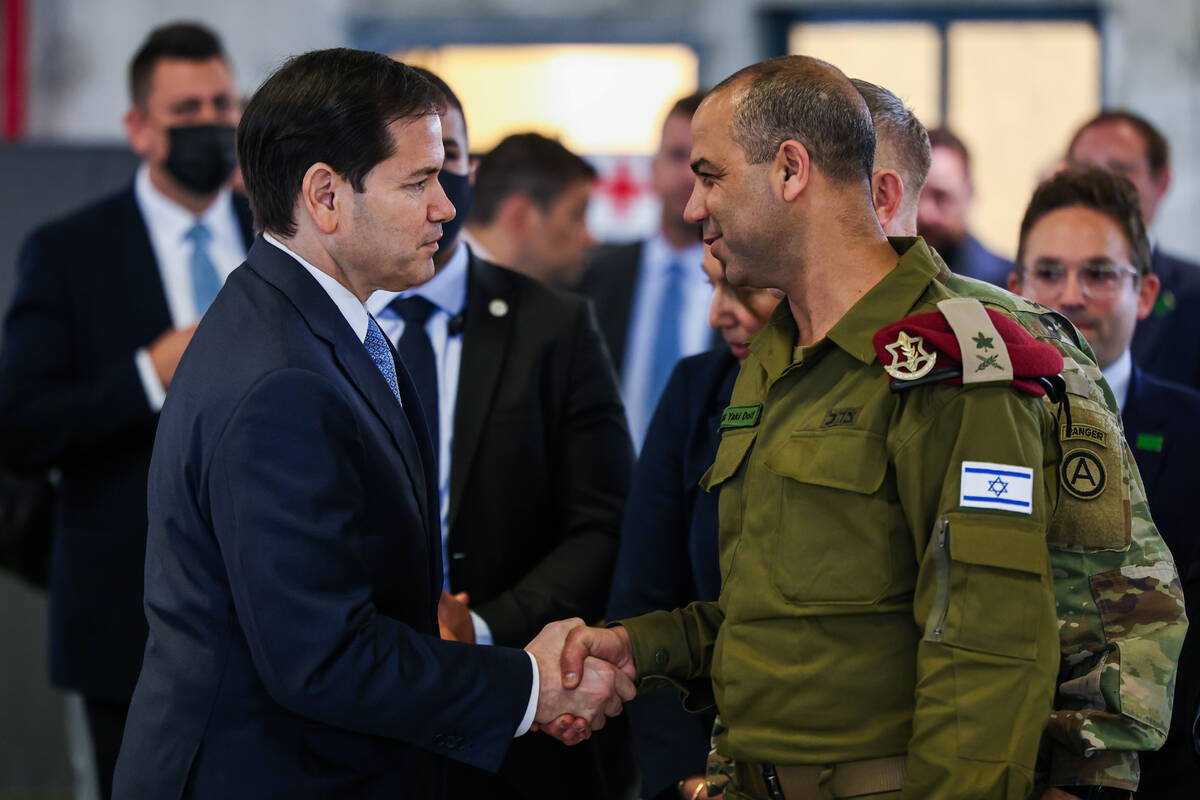
On March 18, 2024, a coalition of fifteen countries, including Australia, New Zealand, and Canada, issued a statement urging Russia to conduct a transparent investigation into Navalny’s death. While the United States did not join this latest announcement, Secretary of State Marco Rubio expressed his support for the findings reported by European nations.
As the international community continues to scrutinize the circumstances surrounding Navalny’s death, the Kremlin’s denial of involvement raises further questions about accountability and transparency in Russia’s handling of dissent.