The leader of the notorious Jalisco New Generation Cartel, Nemesio ‘Mencho’ Oseguera, was killed during a military operation on October 4, 2023, in Guadalajara, Mexico. This development marks a significant blow to one of the most powerful and violent criminal organizations in the country, known for its extensive drug trafficking operations.
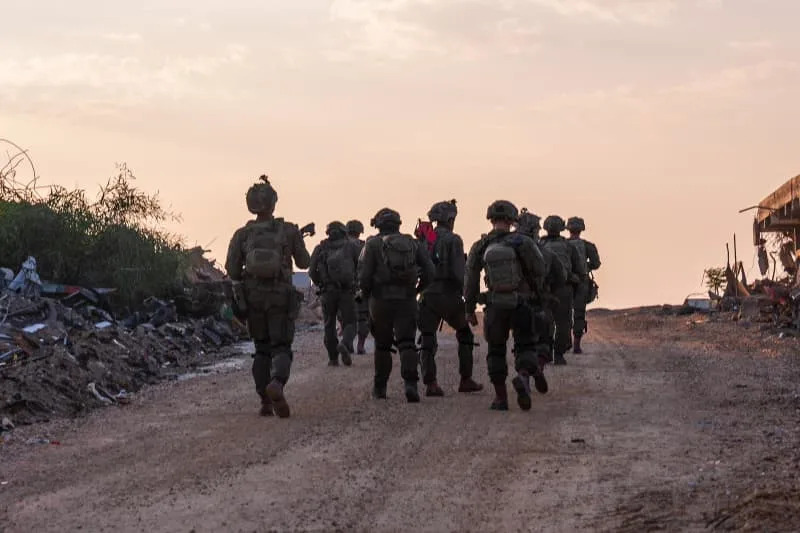
Mexican authorities confirmed that Oseguera was fatally shot during an engagement with military personnel. The operation was part of a broader strategy aimed at dismantling organized crime networks that have contributed to escalating violence across Mexico. Oseguera’s cartel has been linked to numerous violent incidents and has played a key role in the international drug trade.
The military operation involved a coordinated effort among various security forces, reflecting the government’s commitment to tackling drug-related violence. President Andrés Manuel López Obrador stated that the elimination of such key figures is essential for restoring peace and security in the nation.
Impact of Oseguera’s Death on Drug Trafficking
Oseguera was considered one of the most wanted fugitives by both Mexican and U.S. authorities, with a reward of up to $10 million offered for information leading to his capture. His cartel, formed in 2010, has gained notoriety for its ruthless tactics, including the use of extreme violence against rivals and law enforcement.
Analysts suggest that his death could lead to a power vacuum within the cartel, potentially resulting in increased violence as factions vie for control. Security experts warn that this could trigger a surge in conflicts among rival gangs as they attempt to capitalize on the situation.
Reactions and Future Implications
The operation that led to Oseguera’s death has been met with a mixed response. While many see it as a milestone in the fight against drug trafficking, others remain skeptical about its long-term effectiveness. Critics argue that unless systemic issues within law enforcement and governance are addressed, the cycle of violence will likely continue.
Internationally, the U.S. Drug Enforcement Administration (DEA) expressed cautious approval of the operation, emphasizing the need for ongoing collaboration between nations to combat transnational crime effectively. As the legal and political ramifications of Oseguera’s death unfold, the focus will remain on how the Mexican government plans to stabilize the region and prevent further escalation of violence.
Oseguera’s demise serves as a stark reminder of the ongoing challenges faced by Mexico in its battle against organized crime, highlighting the urgent need for comprehensive strategies that encompass law enforcement, community engagement, and socioeconomic development.