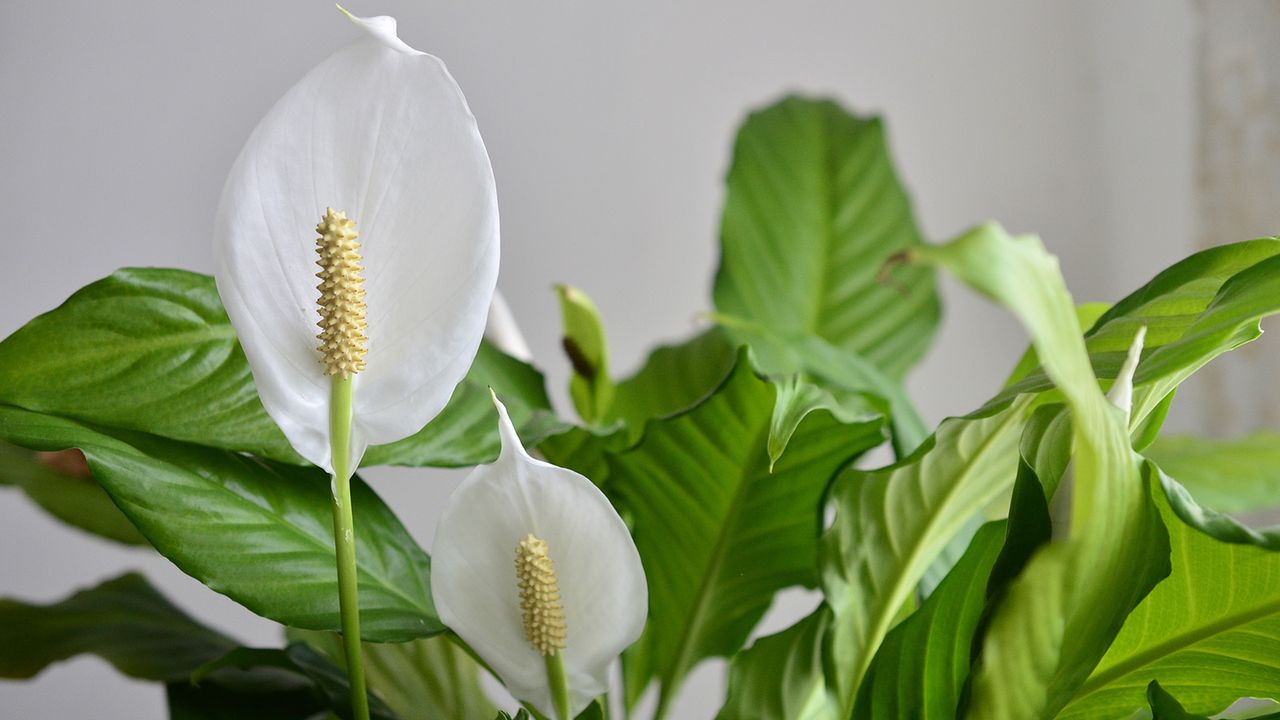
Peace lilies are renowned for their striking green leaves and elegant white blooms, making them a popular choice for indoor gardening. While these plants are relatively low-maintenance, they possess a notable sensitivity that can lead to issues if not properly cared for. Recent observations have highlighted the role of watering practices, particularly the use of tap water, in maintaining the health of these beloved houseplants.
Understanding the Risks of Tap Water
Many plant enthusiasts may not realize that tap water can contain chemicals such as chlorine and fluoride, which can adversely affect peace lilies. These substances, while safe for human consumption, can lead to symptoms in plants, such as browned tips on leaves. According to gardening experts, these signs indicate that the peace lily is struggling due to the harsh effects of chemicals in tap water.
Using tap water may seem convenient, but it is important to consider the potential harm it could cause to your plant. To mitigate this, one suggested method is to let tap water sit for 24 to 48 hours before using it. This allows some of the chemicals to evaporate, although this process may not eliminate all harmful substances.
Alternative Watering Solutions
There are more effective alternatives to tap water that can promote the health of peace lilies. Two recommended options are rainwater and filtered or distilled water. Collecting rainwater is an environmentally friendly approach; simply place a container outside during rainfall to collect this natural resource. Rainwater is free from the chemicals found in tap water and is often considered the best option for sensitive plants.
When watering your peace lily, aim for moist but not soggy soil. The water should ideally be at room temperature, which can be achieved by allowing collected rainwater or filtered water to sit for a short time. While peace lilies can tolerate dry soil for brief periods, regular watering is essential for their overall vitality.
For those who may forget to water their plants regularly, a practical tip is to designate a specific day of the week for plant care—consider dubbing it “Thirsty Thursday.” This simple reminder can help ensure that your peace lily receives the attention it needs.
In conclusion, while peace lilies are resilient and can thrive with minimal care, the type of water used is crucial. By opting for rainwater or filtered water instead of tap water, plant owners can better support the health and longevity of their peace lilies, allowing these beautiful plants to flourish in homes worldwide.