Public discourse has intensified around several pressing issues, including police misconduct, regional weather challenges, and political controversies. Readers have shared their thoughts on these matters, highlighting varying perspectives that reflect broader societal concerns.
Police Misconduct Under Scrutiny
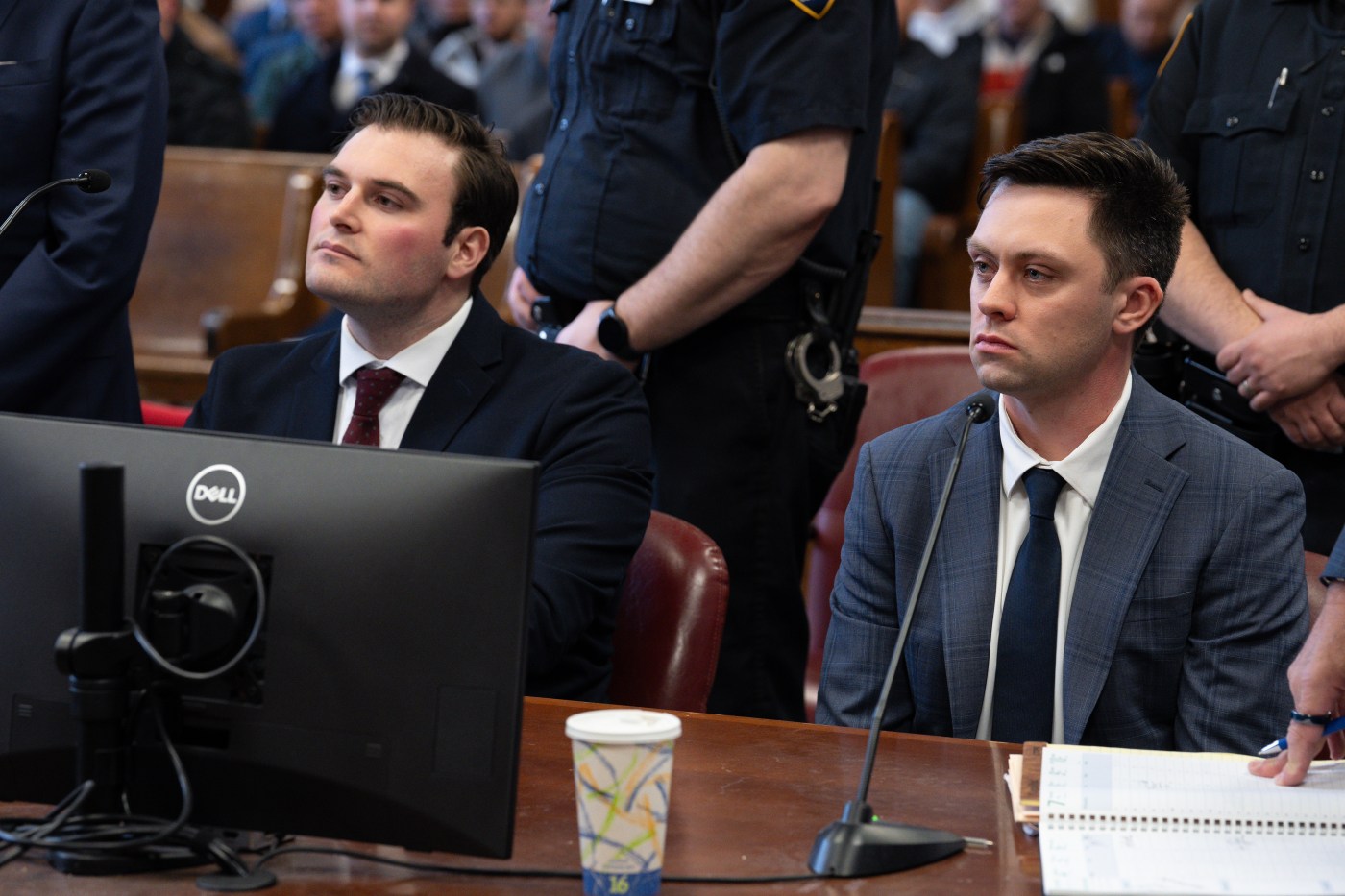
Two officers, Michael Caligiuri and Ryan McLoughlin, are currently facing trial for their actions during a drunk driving incident involving a fellow officer. According to reports, the officers initially responded appropriately to the scene in Chelsea but allegedly engaged in a cover-up after discovering that the driver was one of their own. They reportedly tampered with evidence, including manipulating cameras to misrepresent the events that transpired.
Comments from Patrick Hendry, representing the Police Benevolent Association, have sparked further debate. Hendry has called for the officers to be exonerated, criticizing the district attorney for pursuing charges. This stance has drawn criticism from the public, who argue that it undermines accountability within the police force. One reader expressed concern that such a mentality among leadership contributes to the public’s lack of respect for police officers, stating, “Any cop who thinks other cops are not subject to each and every law the rest of us are does not deserve to be a cop.”
Weather and Its Impact on Communities
In light of extreme weather conditions affecting many regions, one reader shared reflections on the humbling nature of severe storms and cold. The weather, while challenging for vulnerable populations, including the unhoused and outdoor workers, serves as a reminder of humanity’s limitations in controlling nature. The reader noted, “This weather is humbling us,” emphasizing the need for a collective appreciation of natural forces.
Political reactions have also emerged regarding local governance. Mayor Mamdani is reconsidering plans to increase the police force by 5,000 officers. One reader suggested that the mayor should forego his security detail, stating, “He can have the ‘warmth of collectivism’ protect him,” reflecting a desire for accountability in leadership.
Political Commentary and International Relations
The political landscape remains contentious, particularly regarding international agreements. Senator Ed Markey defended the Iran nuclear deal established in 2015, which was abandoned by former President Donald Trump. Markey referred to the deal as “great,” emphasizing that it aimed to curb uranium enrichment. However, critics argue that the deal’s effectiveness was questionable, citing Iran’s advancements in nuclear capabilities.
One reader expressed relief that Trump dismantled the agreement, stating, “I sleep easier knowing Obama is no longer arming Iran while Trump tears up any agreements.” This comment illustrates the deep divisions in public opinion regarding U.S. foreign policy.
The discourse also highlighted domestic issues, with readers weighing in on perceptions of government accountability and economic management. Concerns were raised about perceived inequities in how fraud is addressed, particularly regarding racial and geographic biases. One reader criticized the GOP’s narrative around fraud in blue states, suggesting that it promotes harmful stereotypes about certain demographics.
Community Concerns and Personal Disputes
In a more personal vein, a reader expressed dismay over a recent story involving a legal dispute over a dog, questioning the publication’s decision to cover it. The reader remarked on the potential repercussions of publicizing such sensitive matters before they are resolved in court. They stated, “This is already before a court of law. It does not need a trial before a court of public opinion.”
As public forums continue to serve as a platform for diverse opinions, these discussions reflect a microcosm of the challenges and complexities facing society today, from law enforcement accountability to the impacts of severe weather and political decisions. Each reader’s perspective adds to the rich tapestry of community dialogue that shapes public discourse.