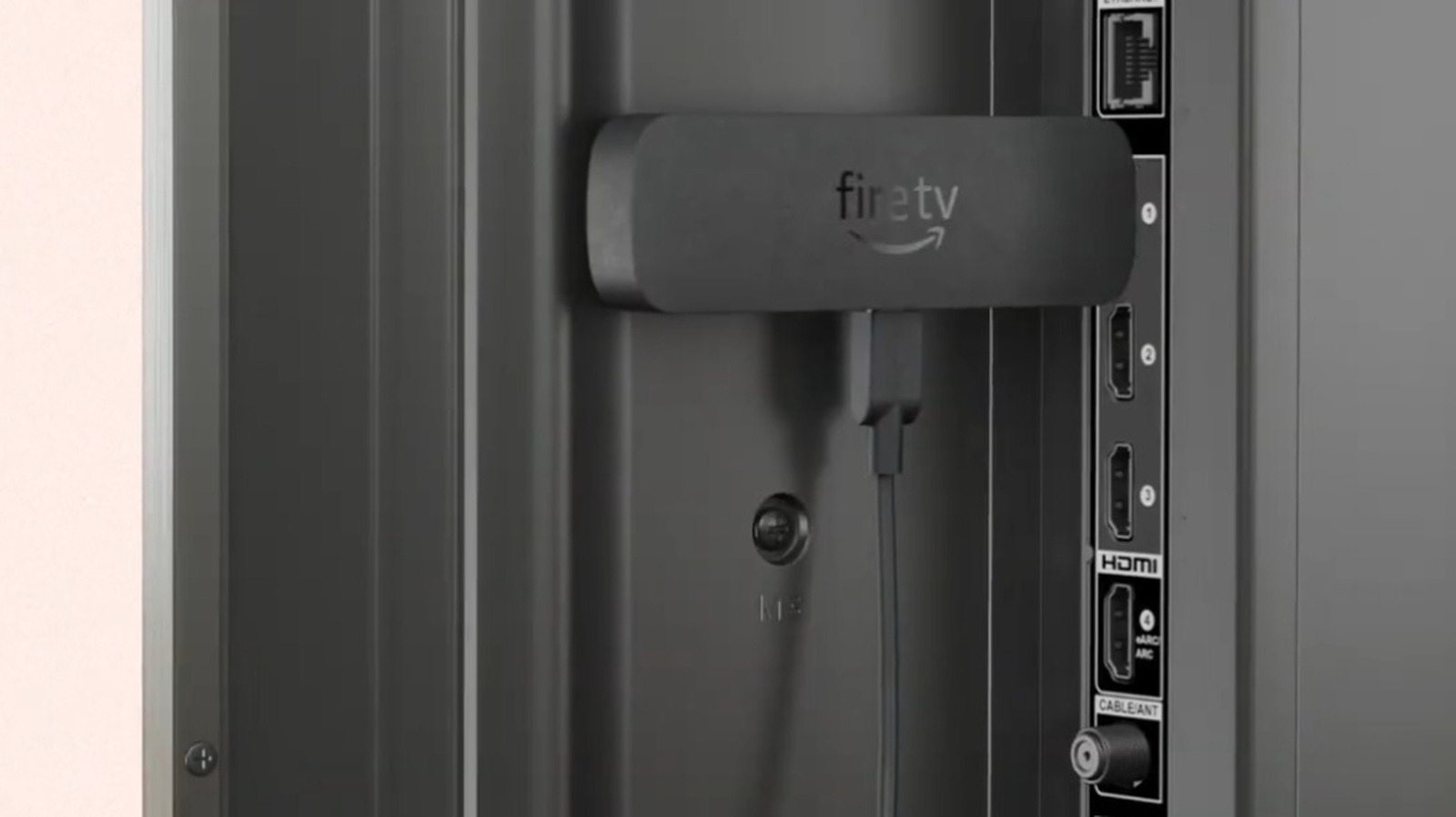
Amazon’s latest offerings in the streaming device market, including the Fire TV Stick 4K Select and the Fire TV Stick HD, continue to attract attention for their affordable high-definition and 4K streaming capabilities. Released in fall 2024, these devices feature Alexa voice controls and provide access to nearly two million movies and TV episodes. Despite these modern enhancements, the Fire TV Stick lineup still relies on an outdated technology: the micro-USB power port.
While the Fire TV Stick series aims to be accessible for casual streamers with its compact design that connects directly to a television’s HDMI port, the choice of micro-USB stands out in 2026. By this time, USB-C has become the universal standard for charging and connectivity across a wide range of devices, including smartphones, tablets, and laptops. USB-C connectors offer several advantages, including reversibility, faster data transfer speeds, and greater power delivery capabilities, handling up to 100 watts compared to the 9-15 watts typically supported by micro-USB.
The continued use of micro-USB in all current Fire TV Stick models, including the Fire TV Stick 4K Plus and Fire TV Stick 4K Max, raises questions about Amazon’s design choices. Notably, the Fire TV Cube (3rd Gen) diverges from this trend. It omits the micro-USB port in favor of a dedicated power port, along with HDMI 2.1 input and output, a USB-A 2.0 port, and an Ethernet port. This advanced device supports features such as 4K Ultra HD, Dolby Vision, and Wi-Fi 6E, positioning it as a more sophisticated, albeit pricier, alternative to the simpler plug-in sticks.
While the reliance on micro-USB may not directly impede streaming quality or daily performance, it presents a curious inconsistency for a device marketed as a smart upgrade for home entertainment systems. In a landscape where USB-C has become synonymous with modern technology, the Fire TV Stick’s outdated power connection feels out of place, prompting potential customers to consider whether the brand is keeping pace with evolving industry standards.
As streaming technology continues to advance, consumers may expect Amazon to eventually adapt its Fire TV Stick lineup to incorporate more current features. The transition to USB-C could enhance user convenience and align the devices with contemporary expectations, further solidifying Amazon’s position in the competitive streaming market.