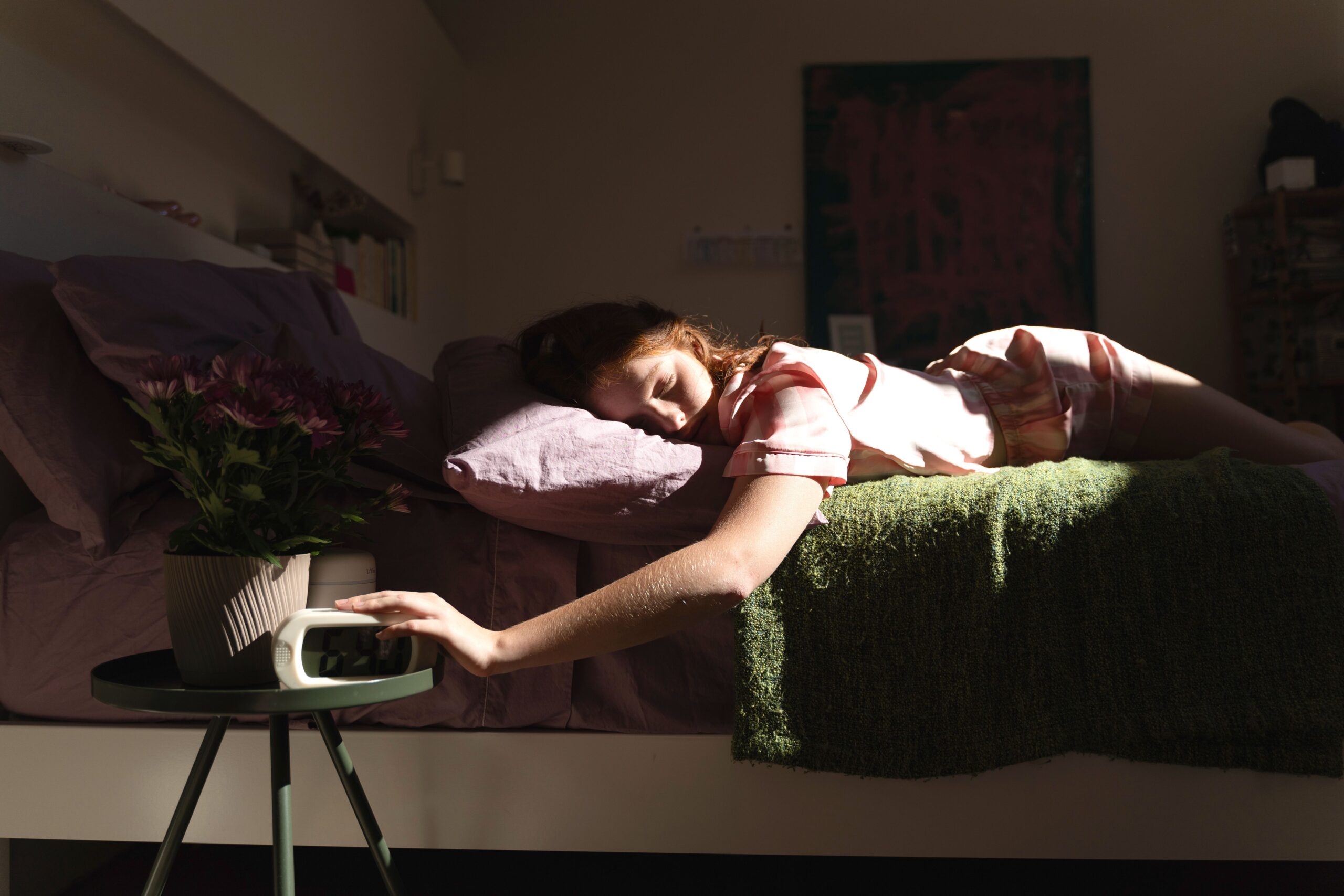
The transition to daylight saving time (DST) on March 8, 2026, will see clocks springing forward one hour at 2 a.m., prompting concerns about the loss of sleep and its implications for health. While longer evenings may appeal to many, the shift can disrupt the body’s natural circadian rhythm, leading to a host of negative effects, according to experts.
Dr. Kuljeet K. Gill, a sleep medicine specialist at Northwestern Medicine’s Central DuPage Hospital, explains that the change in time not only affects the clock but also “shifts your natural, biological clock.” This alteration can influence hormones, alertness, appetite, and mood. Research indicates that the switch to DST is particularly challenging, as it contrasts with our innate biological patterns, which thrive on consistent light-dark cycles.
The impact of DST is not merely anecdotal. Studies have shown an increase in hospital admissions for cardiovascular issues, such as stroke and heart attacks, following the clock change. Additionally, the number of fatal car accidents tends to rise during this period. The American Academy of Sleep Medicine has long advocated for the abolition of seasonal time changes, urging Congress to maintain a permanent standard time. A 2025 Gallup poll revealed that over half of Americans support eliminating DST altogether.
Legislative efforts to alter this practice have faced hurdles, with the Sunshine Protection Act aiming to establish permanent DST stalled since 2023. Advocates for longer daylight in the evenings remain engaged, while many agree that the biannual clock changes are detrimental to public health.
Preparing for the Transition
To ease the adjustment to DST, experts recommend gradual changes in sleep patterns. Dr. Angela Holliday-Bell, a board-certified physician and sleep specialist, suggests adjusting your bedtime and wake time by 15 minutes over the three to four days leading up to the time change. This approach allows for a smoother transition, making it less likely that individuals will feel the full impact of the hour lost.
Creating an optimal sleep environment is also crucial. Dr. Holliday-Bell advises maintaining a cooler bedroom temperature, as a drop of one to two degrees can enhance sleep quality. Additionally, avoiding alcohol and caffeine close to bedtime can prevent disturbances in sleep cycles. A consistent evening routine, free from excessive light exposure, will further aid in adjusting to the new time.
Managing Post-Change Grogginess
After the time change, Dr. W. Christopher Winter, a neurologist, emphasizes the importance of maintaining a consistent wake-up time. For instance, if you typically rise at 6 a.m., aim to get up at 6 a.m. after the switch, despite feeling like it is still 5 a.m. This consistency helps regulate sleep cycles and prevent the body’s internal clock from becoming confused.
For those feeling groggy in the days following the time change, exposure to natural light can be a powerful tool. Dr. Kuljeet K. Gill notes that sunlight helps suppress melatonin, signaling that it is time to be awake. Opening curtains or enjoying coffee outside are simple ways to soak in light. If waking before dawn, using bright lamps can also help mitigate the effects of darkness.
Gentle physical activity, such as a short walk, can alleviate feelings of sluggishness. Exercise releases dopamine, enhancing mood and alertness. Dr. Fiona Barwick, director of the Sleep & Circadian Health Program at Stanford University, suggests that even brief segments of movement can provide significant benefits.
Experts assure that while the transition can be challenging, most individuals will acclimate within a week. Adopting these strategies may help mitigate the impacts of losing an hour of sleep, allowing for a smoother shift into the longer days of spring.