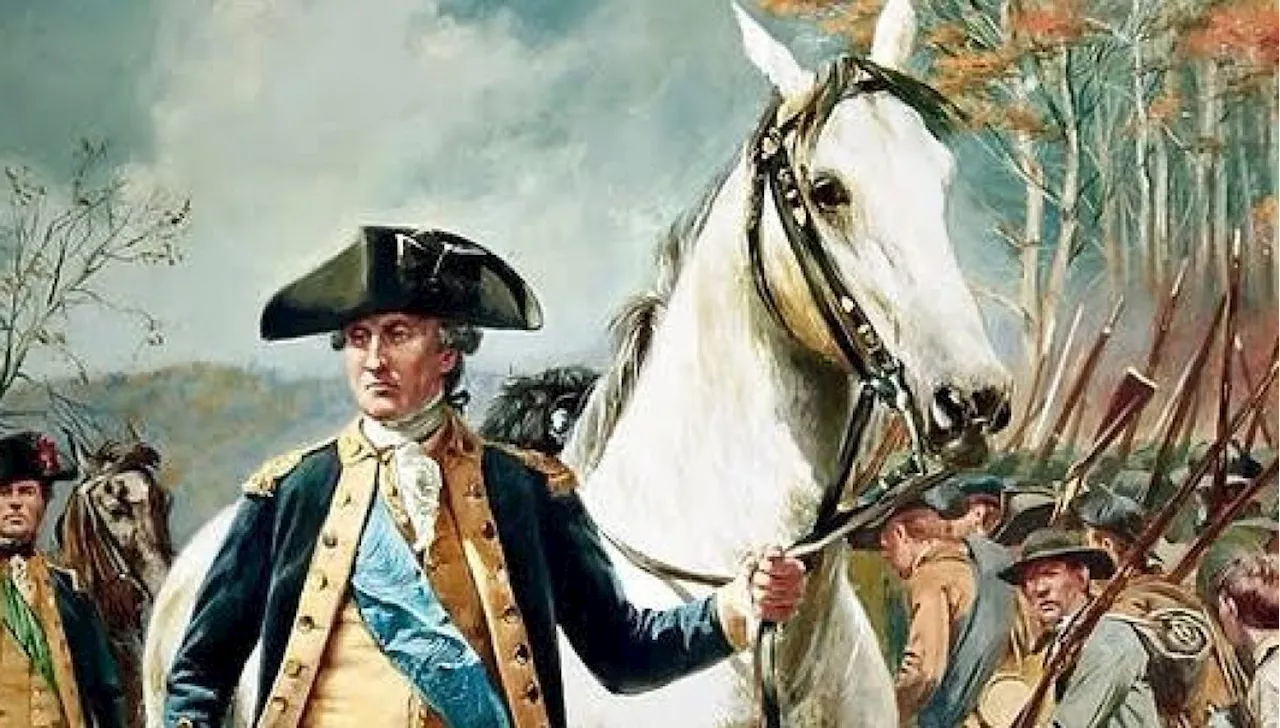
UPDATE: New reports confirm that General George Washington and his officers have made a pivotal decision for the Continental Army to launch an artillery strike in South Boston within the next two days. This urgent move comes as tensions escalate, with British forces potentially eyeing Dorchester Neck as a strategic point.
Washington, weighing critical factors such as the tides and enemy movements, has reached out to Maj. Gen. Artemas Ward to prepare for immediate action. In a letter detailing the plan, Washington emphasized the necessity of acting swiftly to prevent the British from seizing key positions. “Every thing here will be got in readiness to co-operate,” he wrote, urging urgency in preparations.
The plan involves American artillery opening fire from Lechmere Point in Cambridge, rather than from Dorchester Heights. This tactical choice is part of a larger strategy orchestrated by Washington, revealing the stealthy maneuvers he is employing to outsmart British forces.
In a surprising twist, General John Thomas is leading thousands of troops towards Dorchester Heights, hauling dozens of Ticonderoga cannons pulled by oxen. This innovative approach is designed to muffle the sounds of their advance, mitigating the risk of detection by British spies.
The cannons, famously transported by bookseller-turned-military leader Henry Knox, took over 50 days to move during the harsh New England winter. Knox’s ingenuity in securing these weapons demonstrates the determination and resourcefulness of the Continental Army in their fight for independence.
As this situation develops, the implications for the Revolutionary War are significant. Should Washington’s forces successfully execute this plan, it could shift the balance of power in the ongoing conflict.
Stay tuned for further updates as this story unfolds. The stakes are high and the outcome of this operation could be pivotal for the American cause.