The Florida Senate approved a contentious bill on March 14, 2024, that grants state leaders the authority to designate certain domestic groups as “terrorist” organizations. The legislation, sponsored by Sen. Erin Grall of Fort Pierce, passed despite concerns it may infringe upon First Amendment rights and create a legal quagmire for the state.
Under the proposed law, the Florida Department of Law Enforcement would empower its chief of domestic security to label groups as terrorist organizations, subject to approval by the Florida Cabinet, which includes the governor and three other statewide elected officials. Critics, particularly from Islamic organizations, fear the bill’s implications, especially its specific mention of “sharia” law, which is tied to duties expected of Muslims.
Sen. Grall contended that the definition of terrorism used in the bill aligns with existing state and federal standards. She emphasized, “We have not touched the definition of terrorism.” Nevertheless, opponents argue that the bill lacks clear definitions and due process protections, potentially opening the door to politically motivated enforcement.
Potential Consequences and Controversies
If enacted, the legislation could lead to significant repercussions for state universities and colleges. Institutions that “advocate for” designated terrorist groups risk losing performance funding, while students promoting these organizations could face expulsion. Furthermore, individuals associated with state-designated terrorist groups could be charged with felonies.
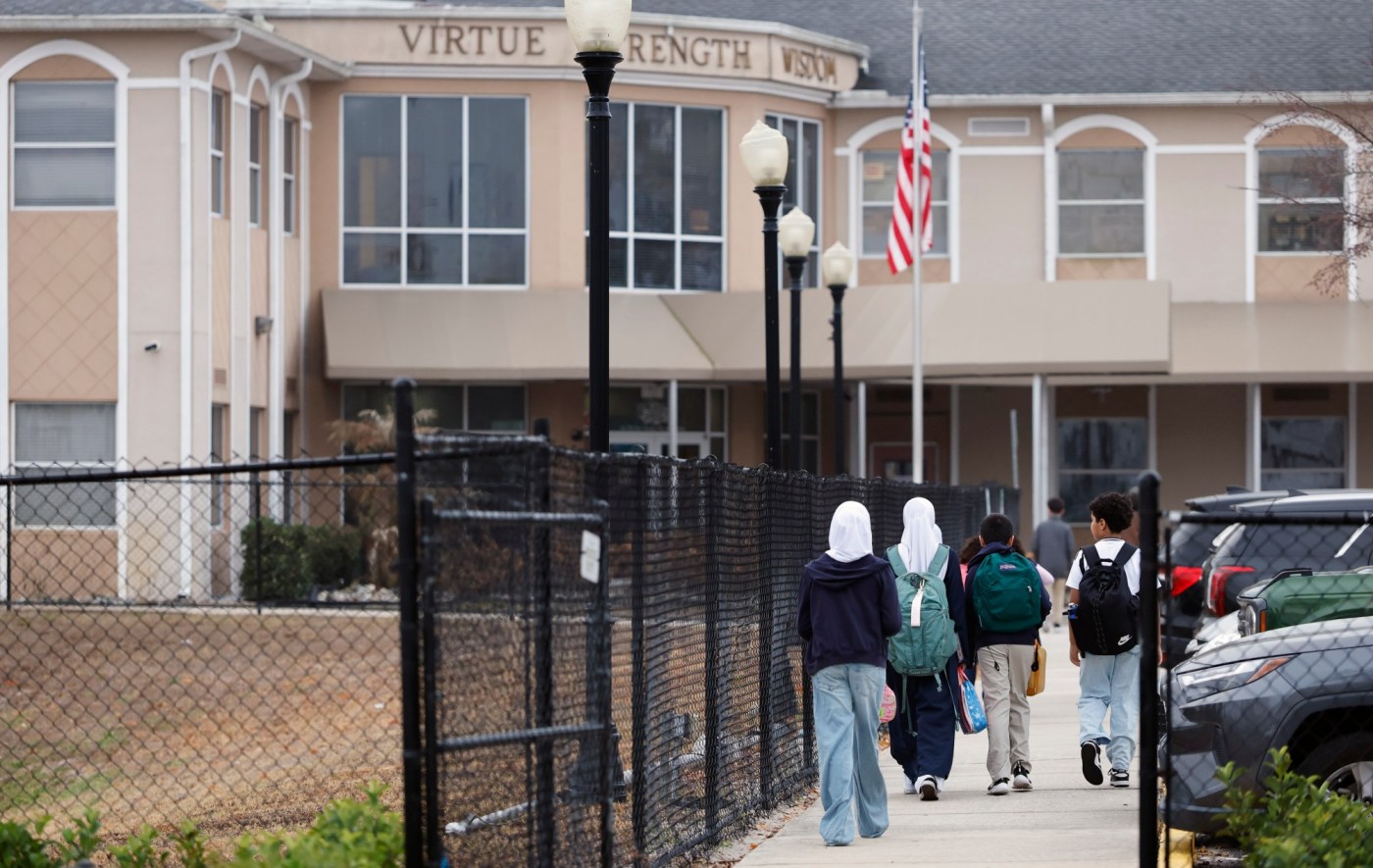
The bill also proposes to restrict schools affiliated with these organizations from receiving funds through the state’s voucher program, which supports tuition payments for almost 2,500 private schools in Florida, of which only about 1% are Islamic.
The Senate’s approval followed a similar vote in the House, although the Senate’s version includes amendments that require further approval from the House before being sent to Governor Ron DeSantis. A spokesperson for the governor stated, “The governor has not yet received this bill from the legislature. Once delivered to his office, he will review it in its final form.”
Senate votes largely split along party lines, with Republicans supporting the bill and some members, including Sen. Alexis Calatayud and Sen. Ileana Garcia, opposing it alongside Democrats. Notably, Sen. Jason Pizzo, who left the Democratic party last year, sided with Republicans in favor of the measure.
The mention of “sharia” law has stirred particular controversy. Sen. Tina Polsky from Boca Raton argued that American courts do not enforce religious or foreign laws, suggesting that this aspect of the bill is not only unnecessary but potentially harmful. She voiced concerns over the vagueness of the legislation, warning it could lead to the targeting of nonprofit organizations and advocacy groups engaged in lawful activities.
Legal Implications and Previous Challenges
Legal experts predict that the bill could lead to expensive challenges, particularly given recent judicial rulings. A federal judge recently issued a temporary block against an executive order from Governor DeSantis that designated two Muslim organizations, the Council on American-Islamic Relations and the Muslim Brotherhood, as foreign terrorist organizations. U.S. District Judge Mark E. Walker ruled that the First Amendment prohibits the governor from making political statements that infringe on others’ constitutional rights.
In response to the judge’s ruling, Sen. Grall acknowledged the ongoing legal discussions but remained confident about the bill’s prospects. “I am aware of the opinion that came out yesterday about the executive order and I would note that there has been an injunction that has been in place for one of the organizations but not all,” she stated, indicating an uncertain future regarding how the governor might act through executive order.
A related proposal that would shield records related to the designation of terrorist organizations from public disclosure also received approval from both the House and Senate, further complicating the legislative landscape around this issue. As the bill moves forward, the implications for civil liberties and community relations in Florida will be closely monitored.