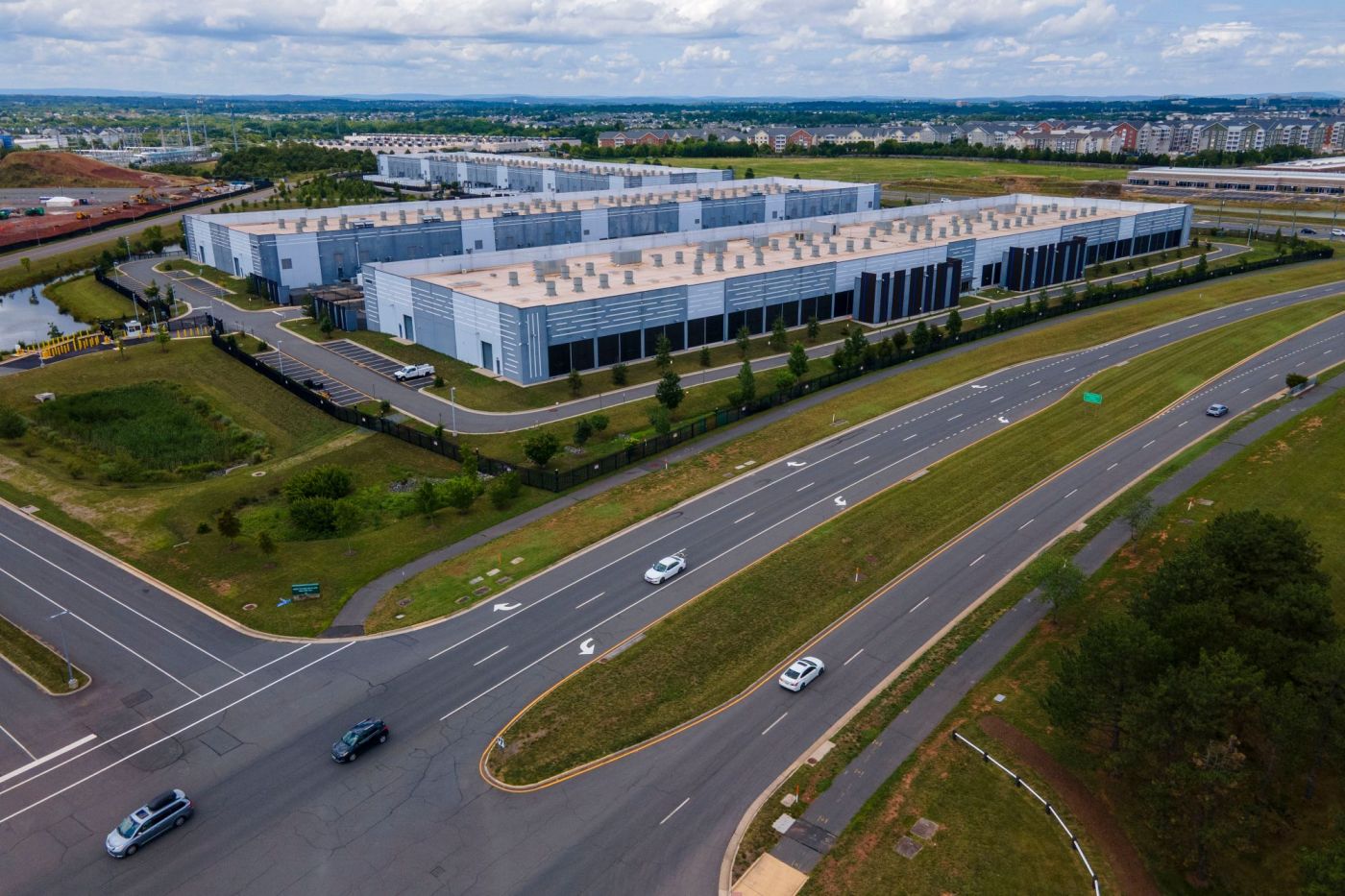
The Virginia General Assembly’s recent legislative session witnessed intense discussions surrounding data center regulation, with over 60 bills introduced. However, many of these proposals have either been postponed until next year or remain stagnant in committee, raising concerns among environmental advocates and legislators alike.
Chris Miller, president of the Piedmont Environmental Council, expressed frustration over the missed opportunities for effective legislation. He noted that the infrastructure required to support data centers—such as energy and water supply—affects a far greater area than the data centers themselves. “Increasingly, people are starting to understand that the energy infrastructure, the water supply infrastructure, damming rivers, creating new reservoirs, is going to affect 100 times more land than the data center footprint itself,” he stated.
Data centers in Virginia currently consume over 20% of the state’s electricity, according to a report from the Electric Power Research Institute. Projections suggest that by 2030, this figure could rise to between 39% and 57%. Miller emphasized that this surge in demand necessitates an investment of approximately $400 billion in infrastructure, not for the data centers themselves, but for their support systems.
Two significant bills, SB619 and SB339, which aim to grant the State Corporation Commission (SCC) more regulatory authority over data centers, garnered some support in the Senate yet have encountered hurdles in the House of Delegates. SB619 would require new high-load facilities, including data centers, to secure approval from the SCC before proceeding. This legislation mandates that these facilities demonstrate they have sufficient energy contracts or plans to reduce demand, while also assessing whether existing infrastructure can accommodate their needs. Although it passed in the Senate with a 23-16 vote, a House subcommittee recently recommended laying it on the table.
In contrast, SB339 seeks to analyze the cost allocation for energy transmission from high-load customers, directing Dominion Energy to evaluate whether residential customers are unfairly subsidizing data center expenses. This bill also sailed through the Senate but met a similar fate in the House, where it was recommended for continuation until next year.
With just two weeks remaining in the session, Miller urged the House to recognize the inadequacies of the current proposals. “There are some good bills that passed, but they don’t address the core problem, which is we’re approving data centers too fast, and the energy that goes with them too, without oversight,” he remarked.
Governor Abigail Spanberger has not yet commented on whether she supports further data center legislation. Miller’s long-term concern centers on water supply, as large data centers can reportedly consume as much as 5 million gallons of water daily for cooling purposes. A 2024 report from the Joint Legislative Audit and Review Commission found that while current water use is sustainable, consumption is increasing and may require better management. “It’s just terrifying that we’re not even asking the question, ‘do we have enough water to meet that demand?’” he stated.
Other legislative efforts have included proposals such as HB589, which sought to mandate water utilities to disclose their water supply to data centers. This bill, however, failed in committee. A substitute bill, SB553, has passed the Senate but features looser requirements, allowing data centers to estimate their water usage rather than providing concrete figures.
Additional regulations under consideration include mandates for public utilities to implement demand flexibility programs for high-energy customers, requirements for data centers to meet specific emission standards, and directing the Department of Energy to explore waste heat utilization from these facilities.
Lawmakers are also debating whether to eliminate the sales and use tax exemption for data centers. The Senate’s budget proposal anticipates nearly $1 billion in revenue from ending this exemption, while the House version does not. Proponents of data centers highlight their significant economic contributions, including 74,000 jobs and an annual economic impact of $9.1 billion in Virginia.
The Data Center Coalition argues that Virginia’s favorable investment climate is attributed to its competitive tax and regulatory framework. Nicole Riley, the coalition’s director of Virginia government affairs, asserted, “We hope that the outcomes of the session will further our shared goals of responsible operations and economic competitiveness.”
As the session nears its conclusion, the future of data center regulation in Virginia hangs in the balance, with pressing questions about resource sustainability and infrastructure investment remaining central to the ongoing discourse.