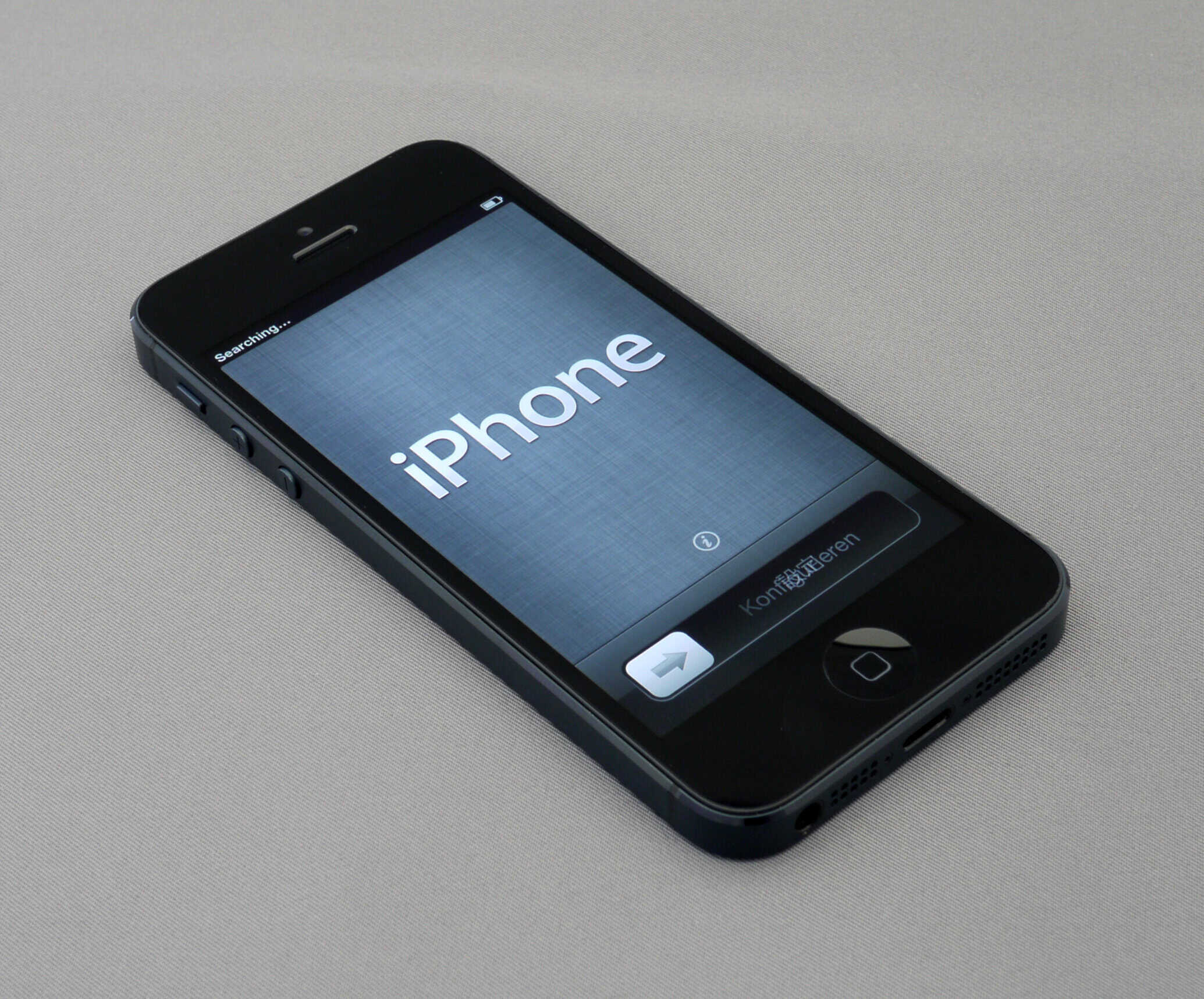
Samsung and Apple have reached a significant milestone in the global smartphone market, with both companies producing approximately 239.8 million units last year, according to data from TrendForce. This marked a total of 1.25 billion smartphones shipped worldwide, showcasing a competitive landscape in which both tech giants are vying for dominance.
Apple’s Strong Performance Drives Market Surprises
Despite not launching an anticipated AI version of its iOS software, Apple outperformed expectations with a 9% increase in production over the previous year. The release of the iPhone 17 series contributed significantly to this success, as it was backed by strategic retail pricing that resonated well with consumers. In the fourth quarter alone, Apple ramped up production by an impressive 54%, reaching 87 million units.
Apple’s revenue figures also reflect this success. The company reported $85.3 billion in iPhone revenue for the most recent quarter, up from $69.1 billion during the same period the previous year. Overall revenue reached $143.6 billion, with iPhone sales accounting for approximately 59% of total revenue.
Chinese Manufacturers Struggle While Honor Shines
While Apple and Samsung made headlines, Chinese smartphone manufacturers faced challenges. The market leader, Xiaomi, experienced a 7% decline, producing 169.8 million units, while Vivo‘s sales plummeted by 17% to 102 million. In contrast, Honor stood out as an exception, achieving a 16% increase in sales, totaling 70.5 million units.
As the world’s largest smartphone market, China, with its approximately 1 billion wireless subscribers, continues to play a crucial role in global smartphone dynamics. However, the recent performance of Chinese brands indicates a shift in consumer preferences and market conditions.
Analysts are intrigued by Apple’s ability to thrive without a dedicated AI product, especially with the upcoming launch of an enhanced version of Siri, which will be powered by Google’s Gemini. CNBC reports that this updated AI capability is expected to debut later this year.
With Apple establishing a robust position in the market this past year, industry observers are eager to see how the integration of AI will further influence its sales performance moving forward. The growth achieved without AI raises questions about the potential impact once these innovations are implemented.
As the competition between Apple and Samsung intensifies, both companies continue to innovate and adapt to market demands. The upcoming year promises to be pivotal as technology evolves and consumer choices shift.