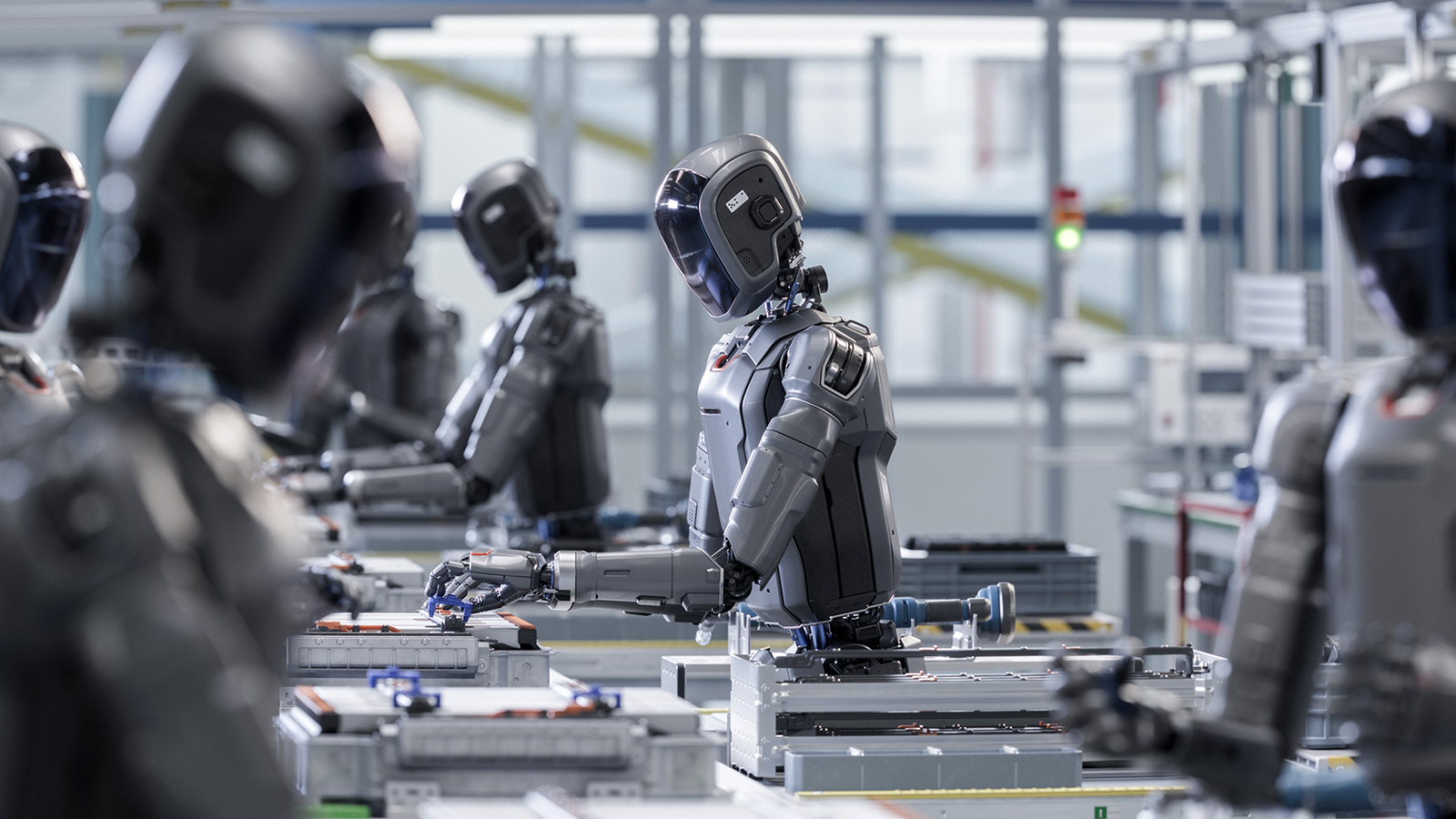
Humanoid robots are increasingly becoming capable of performing tasks traditionally associated with human workers. These machines, designed to resemble human bodies and replicate a range of humanlike abilities, are being tested in various settings, including homes, workplaces, and public spaces. The rapid advancement in technologies such as artificial intelligence (AI), machine learning, and robotics is transitioning these systems from the realm of science fiction into practical applications.
Engineers create humanoid robots with a structure that closely mirrors human anatomy, featuring a torso, head, robotic arms, and bipedal legs. This design allows them to navigate environments built for humans and perform tasks like opening doors, using tools, and interacting with people. The flexibility of these robots comes from complex mechanical components and motors that enable multiple joint movements, granting them the dexterity necessary for intricate tasks.
AI and Sensor Integration Drive Robot Capabilities
Modern humanoid robots heavily depend on artificial intelligence to interpret their surroundings and plan actions. AI models facilitate object tracking and environmental awareness. Developers employ machine learning techniques, such as imitation learning and reinforcement learning, to help these robots acquire new skills by observing human actions or through trial and error. Data pipelines and control systems enable robots to process information from various sensors, allowing them to react in real time to dynamic conditions.
Sensors play a crucial role in enhancing the functionality of humanoid robots. Cameras, tactile sensing systems, and force/torque sensors help these machines detect objects, adjust their grip, and maintain balance in complex environments. This capability is essential for ensuring safe interactions between humans and robots.
Several organizations are leading the development of humanoid robotics platforms. For instance, Boston Dynamics has developed agile robots that can traverse challenging terrains. Agility Robotics focuses on creating Digit robots designed for tasks such as carrying packages and moving totes in warehouses. Pal Robotics builds humanoid service robots that serve as development platforms for research, while companies like SoftBank Robotics and Hanson Robotics work on robots that excel in social roles and customer service, showcasing advanced communication abilities.
Humanoid Robots Transforming Workplaces
Humanoid robots are starting to take on manual tasks that have historically required human intervention. With advancements in robotic arms and motor control, these machines can manipulate tools and handle objects effectively. Developers are training robots for household tasks, such as cleaning and organizing, while in industrial environments, they assist with activities like assembling parts and transporting materials.
Some humanoid robots can also be operated remotely, allowing human operators to guide them in hazardous or hard-to-reach environments. This capability can prove invaluable in areas where human presence may be risky.
Experts predict that the first significant wave of humanoid robots will debut in workplaces facing labor shortages. These robots are anticipated to complete repetitive or physically demanding tasks, working alongside human employees. Ongoing research focuses on enhancing robots’ balance, autonomous navigation, and humanlike motion, which will allow them to operate effectively in a variety of environments.
While fully autonomous humanoid robots are still in developmental stages, research published in reputable sources such as IEEE Spectrum indicates steady progress. As artificial intelligence continues to evolve, these robots could become capable assistants in homes, hospitals, and workplaces worldwide, ultimately transforming how we live and work.