Explosive Revelations on Chernobyl Crisis as NASA Accelerates Ambitious Space Missions
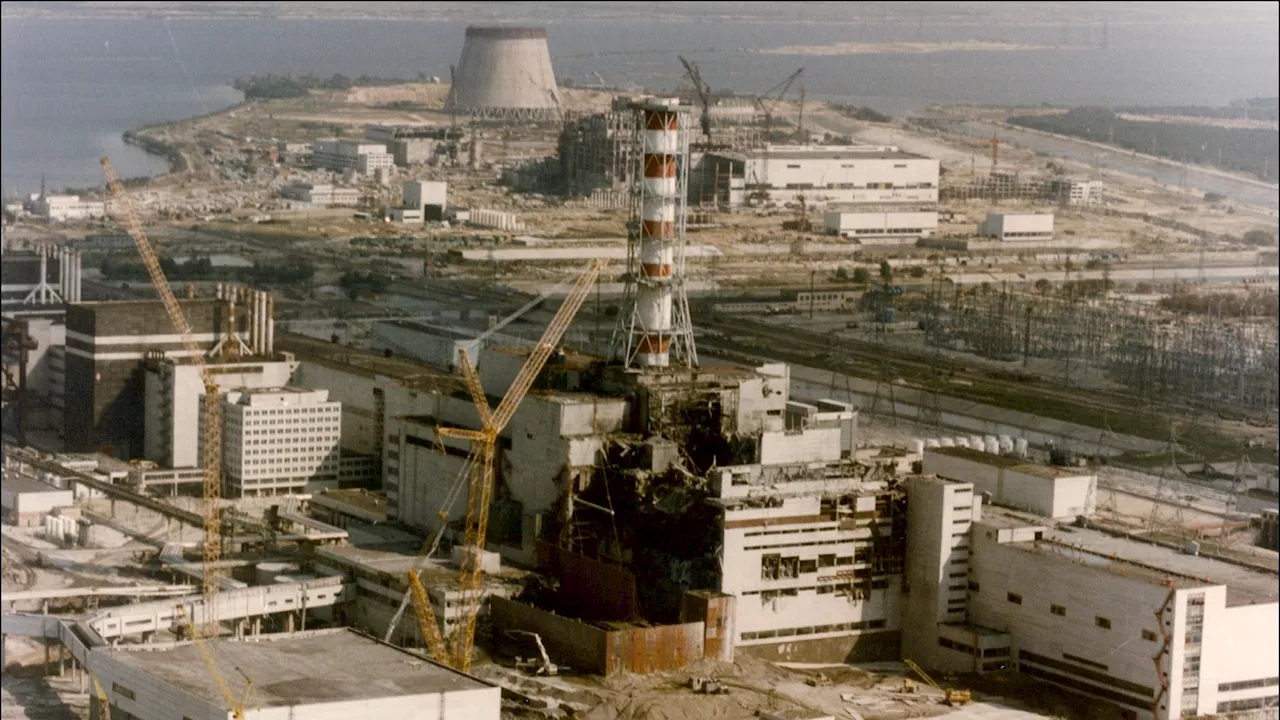
NEW details have emerged about the catastrophic 1986 Chernobyl nuclear meltdown, exposing the lethal sequence that led to one of history’s worst nuclear disasters amid strained power demands from Kyiv’s electricity grid. Meanwhile, NASA is moving forward with urgent plans for a $20 billion lunar base and the development of a nuclear-powered spacecraft targeting deep space missions.
The meltdown at the Chernobyl Nuclear Power Plant occurred during a flawed safety test aimed at simulating a power outage. Efforts to verify whether turbines could maintain coolant flow until emergency generators activated spiraled out of control when operators deviated dangerously from protocol.
Sources report that due to pressure from the Kyiv-based electricity grid operator, plant staff were prevented from performing a complete shutdown. This forced a less-experienced night crew to proceed with an unstable reactor, culminating in the near-total withdrawal of control rods – a desperate, but fatal move. The rods ultimately jammed during a final attempt to arrest the runaway nuclear reaction, triggering a power surge and massive explosions.
The disaster prompted immediate evacuations and claimed lives, while radiation released across Europe alerted officials to the scale of the crisis despite early Soviet attempts to conceal it. The Elephant’s Foot, a mass of molten radioactive fuel, remains entombed in the exclusion zone, a chilling legacy of the event still posing deadly risks decades later.
For the United States and Ohio residents, the Chernobyl disaster stands as a grim warning on nuclear safety as concerns over energy reliability and climate resilience grow. Experts warn similar human errors combined with systemic grid pressures could risk nuclear facilities worldwide.
NASA’s Bold Move: $20 Billion Lunar Base and Nuclear Spacecraft
In the midst of historic reflections on nuclear catastrophe, NASA revealed its cutting-edge space ambitions with plans to build a $20 billion lunar base. This base will serve future missions including the Artemis II crewed lunar orbit mission, marking a decisive step in expanding humanity’s extraterrestrial footprint.
The agency is also developing a nuclear-powered spacecraft designed to enable faster and safer interplanetary travel. These next-generation technologies aim to overcome critical challenges in long-term human survival and space exploration, signaling a profound shift in NASA’s capabilities and objectives.
The timing of NASA’s announcements coincides with recent scientific discussions raising existential questions about humanity’s future. A leading theoretical physicist recently suggested that despite technological advances, humanity faces slim odds of surviving even the next 50 years, largely due to fundamental challenges in unifying physical laws and managing existential risks.
Other Eye-Opening Science Developments
Science headlines also reveal intriguing phenomena: faster-than-light darkness, evolving human biology, and paradoxical gains in weight among polar bears despite their endangered status. A terrifying tornado survival story was reported alongside dramatic “fireball” meteors streaking across US skies, including a cannonball-sized meteorite crashing through a home in Texas.
Meanwhile, the ongoing legacy of Chernobyl continues. The plant’s surrounding exclusion zone paradoxically serves as a unique nature preserve, with wildlife thriving amid persistent radioactive contamination.
Amid ongoing global tensions, scientific inquiry also extends to assessing the environmental fallout from conflicts such as the Iran war, while researchers examine the biochemical triggers behind cannabis-induced appetite, highlighting the broad spectrum of urgent scientific exploration today.
What’s Next for Science and Safety
For Ohio and the US, vigilance on nuclear safety remains paramount as new technologies emerge. NASA’s lunar ambitions will unfold rapidly, demanding public attention and government support to sustain America’s leadership in space exploration.
Meanwhile, scientists continue grappling with humanity’s survival odds and the mysteries of the universe. As developments accelerate, The Ohio Observer will provide continuing coverage of these critical science stories reshaping our future.
“The scale and sequence of errors that led to Chernobyl remain a stark lesson in the dangers of energy system pressures combined with human error,” a leading nuclear safety expert said.
Stay tuned for updates on the Artemis II lunar mission, NASA’s nuclear spacecraft progress, and ongoing Chernobyl research.