High-Speed Internet Fight Continues in Millry and Chatom Leaving Communities Stranded
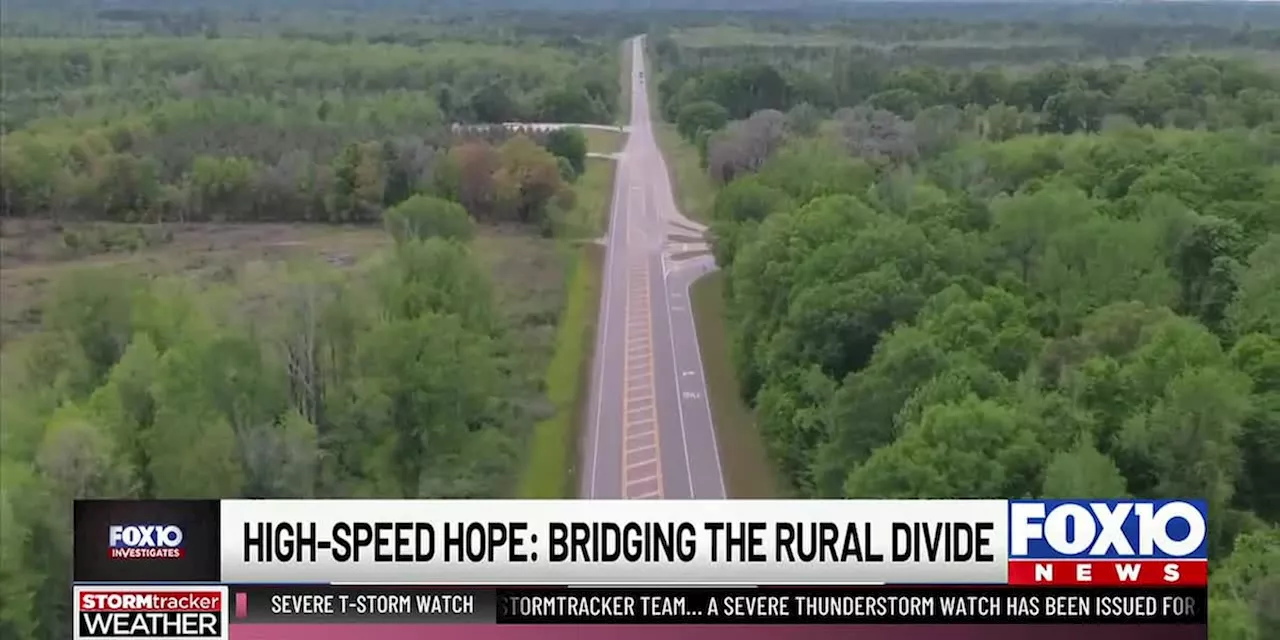
Residents in Millry and Chatom, Alabama, are still grappling with unreliable or nonexistent high-speed internet despite fiber-optic projects underway, underscoring a persistent digital divide in rural America.
In Washington County, towns such as Millry, home to just over 500 people, and nearby Chatom remain largely offline. This disconnect disrupts daily life, business operations, and even basic communications, with many locals unable to make phone calls without relying on spotty Wi-Fi.
Slow Rollout of Fiber Leaves Communities Frustrated
Lonnie Guy, a lifelong Millry resident and co-owner of Nana and Papa’s Ice Cream and Sandwich Shop just off Highway 17, recounted how his own internet only improved after fiber-optic cable reached his home recently. The improved speeds made an immediate impact for his family and customers, proving what reliable broadband can do.
“I remember the dial-up days when you could do chores while waiting for the internet to load, but now the fiber makes a real difference,” said Guy.
However, the majority of residents in the area continue to wait. Chester Caulder, general manager of Millry Communications, a local internet provider, explained the challenge: fiber deployment in rural areas is slow and costly due to sparse populations. The company currently averages just 4.7 households per mile of fiber installed.
“If I can get fiber to you, I can deliver the full internet speeds customers pay for,” Caulder confirmed, highlighting the gap between service potential and current reach.
Chatom Residents Face Daily Internet Struggles
Just a few miles south, Chatom faces an urgent broadband crisis. More residents and businesses depend on a stable connection, yet the problem endures. Landis Waite, a lifelong Chatom resident, described enduring “pretty much bad” internet that can take hours just to load a single webpage.
Though crews began laying fiber lines years ago, Waite and many others remain frustrated at the snail pace of progress.
“Fiber optic should make it better, but it’s taking forever for us to get that. When my internet is down, I can’t get texts or calls—I have to go outside to contact family,” Waite said.
For many, including Waite, this is more than inconvenience—it’s a barrier to essential communication and economic survival. The lack of reliable internet affects everything from simple phone calls to managing local businesses.
The Road Ahead: Will Rural Fibers Connect the Digital Divide?
Washington County’s struggle mirrors that of rural communities across the United States, where broadband rollout lags due to low population density and infrastructure costs.
Though advances like recent fiber installations bring hope, much of Millry, Yellow Bluff, Forkland, Peterman, Boykin, and Chatom remain disconnected or barely connected.
Local providers like Millry Communications vow to push forward, but the reality is clear: high-speed internet is not yet a given in America’s rural heartlands.
As Millry ice cream shop owner Lonnie Guy reflects on progress, he and others remain optimistic but impatient. The community watches, awaiting the day reliable online access no longer feels like a distant promise but an everyday reality.
For Ohio and broader U.S. readers, this ongoing rural internet crisis highlights a critical national challenge, calling attention to the urgent need for expanded broadband infrastructure investments—because in the digital age, no community should be left offline.